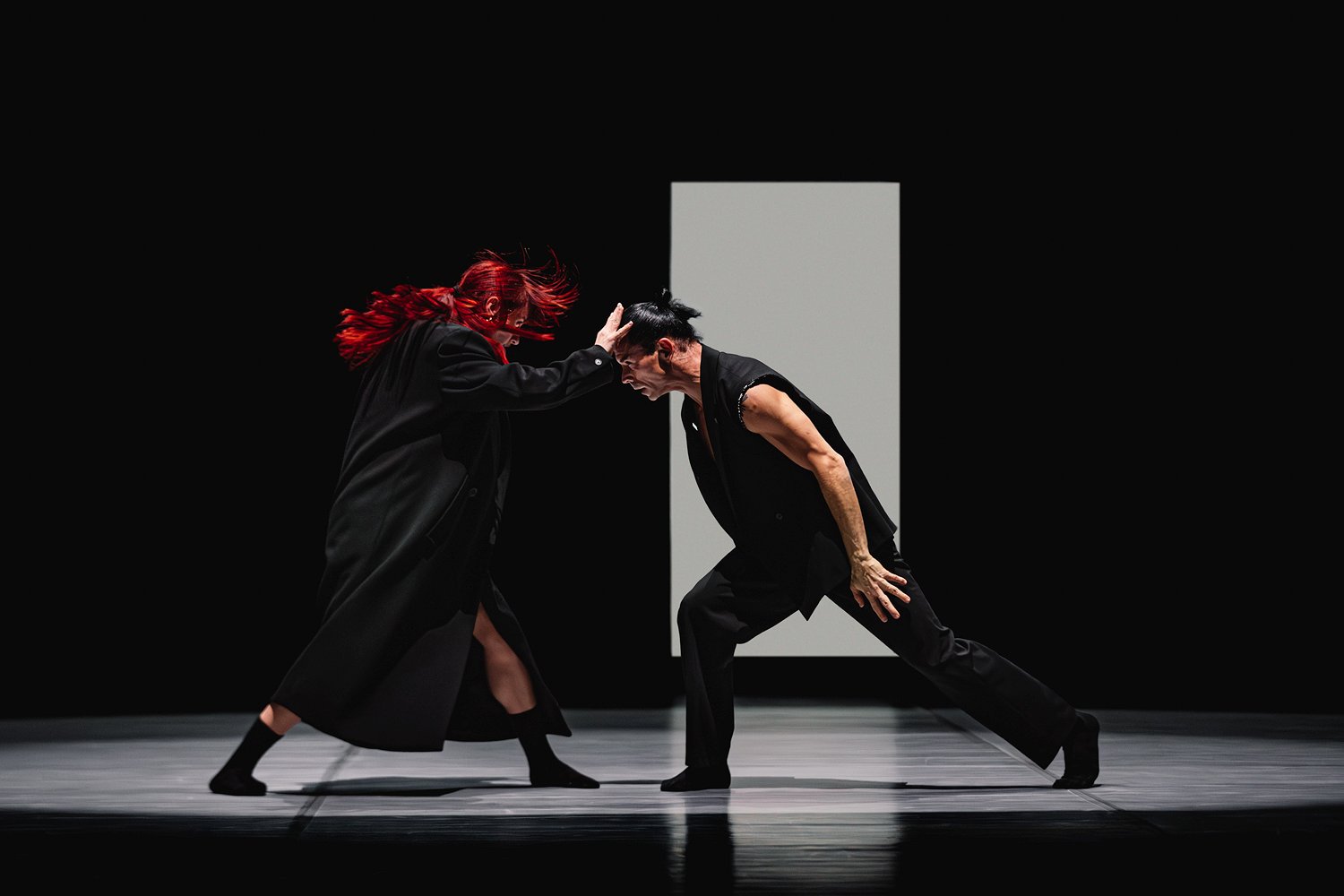
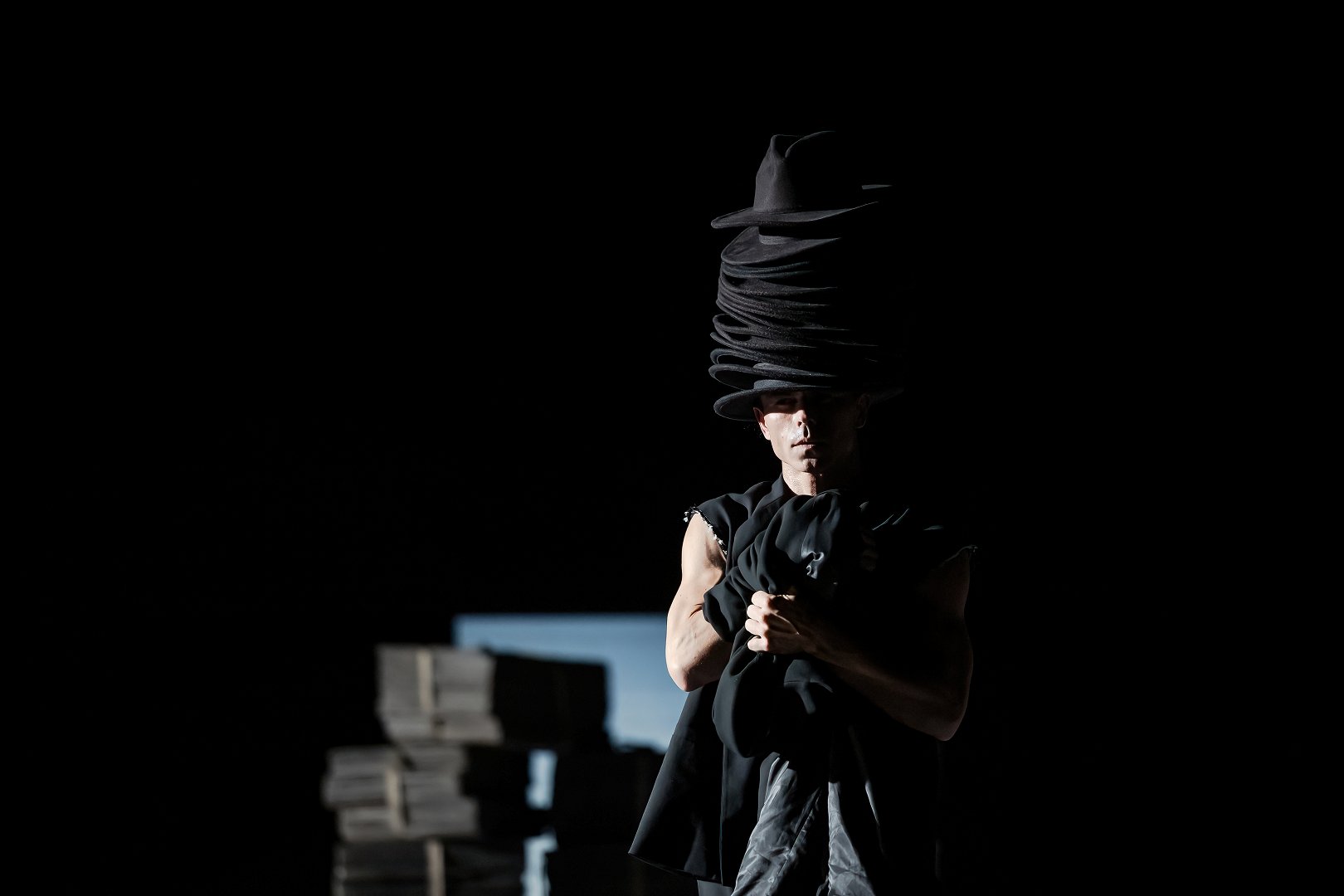
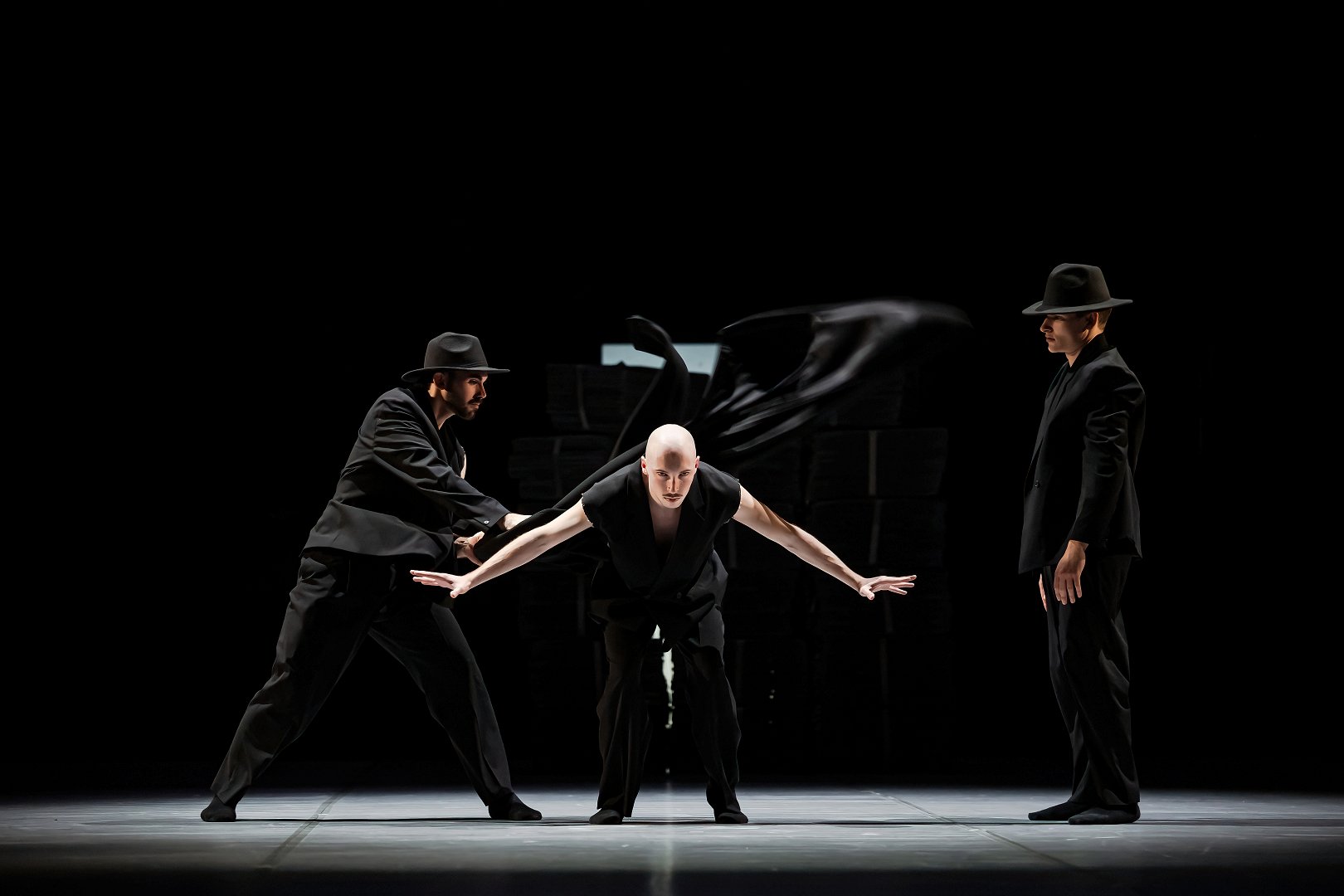
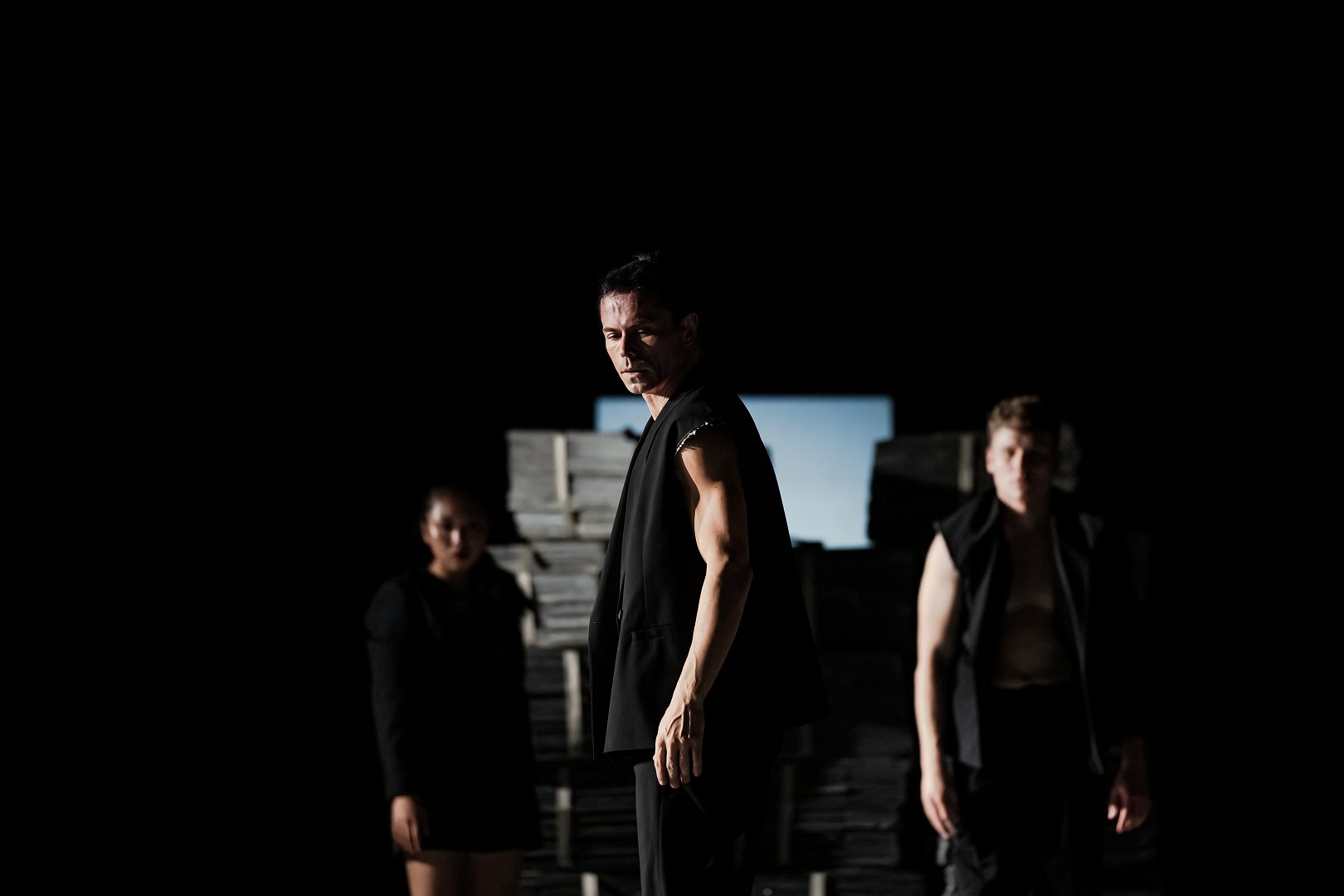
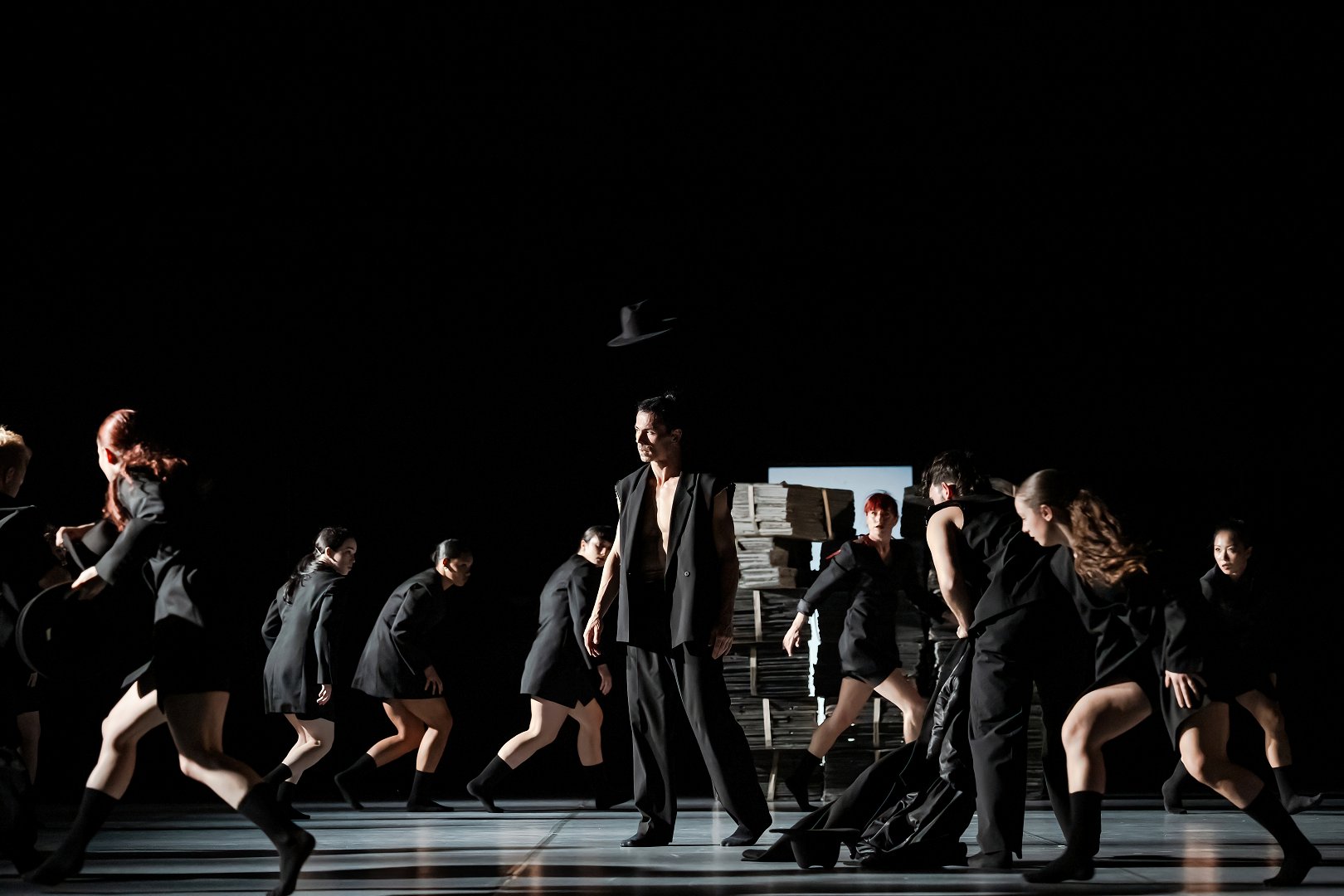
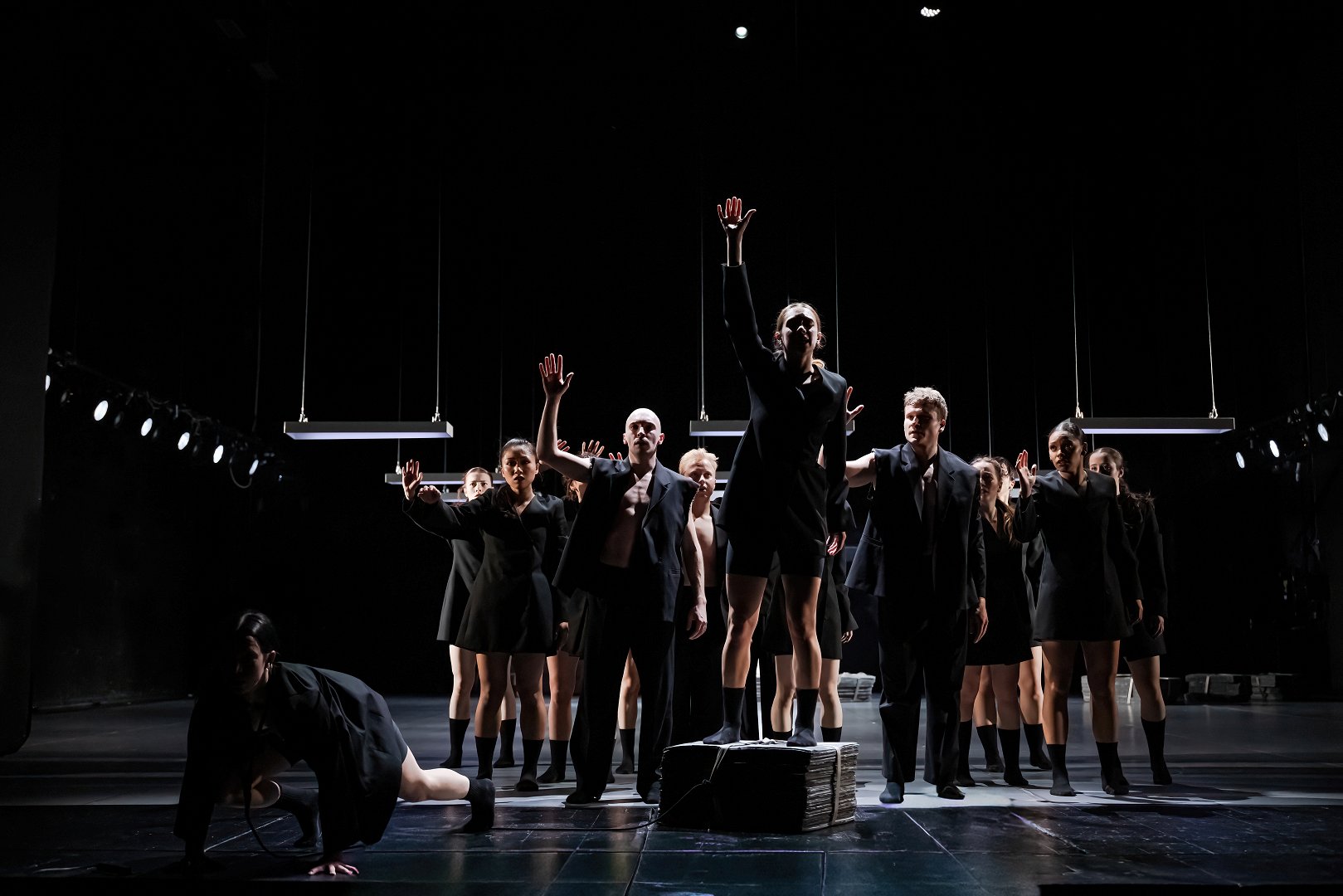
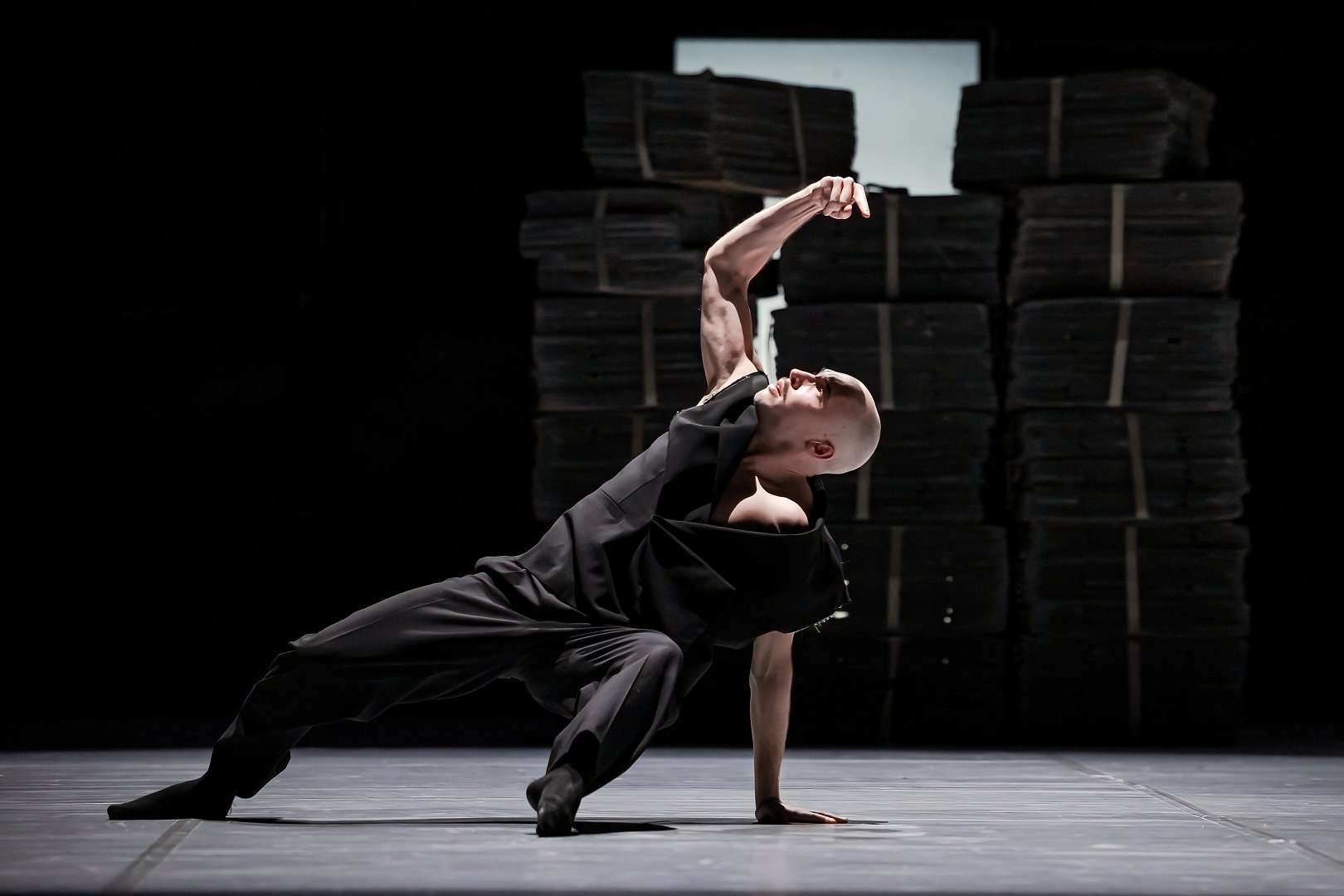
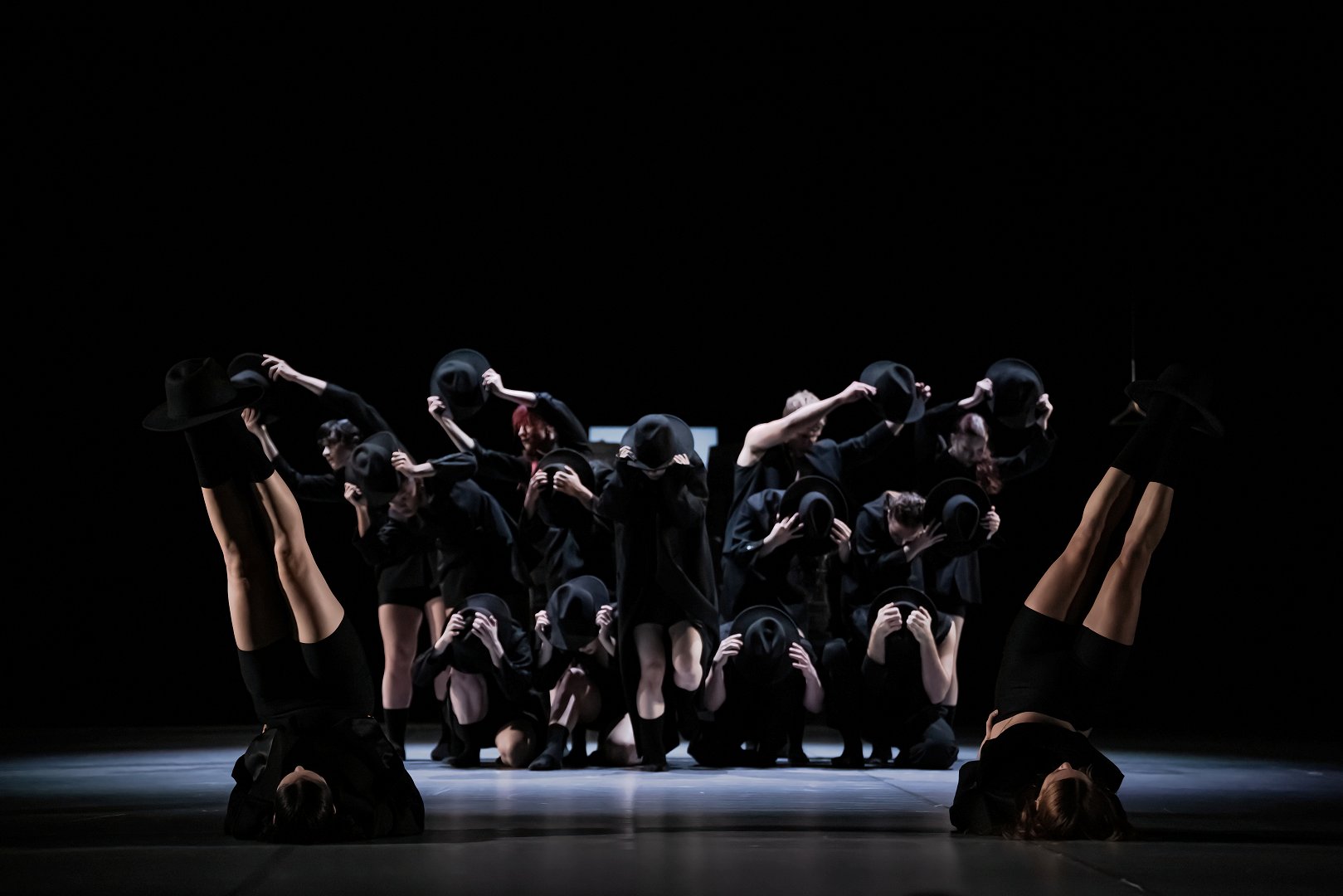
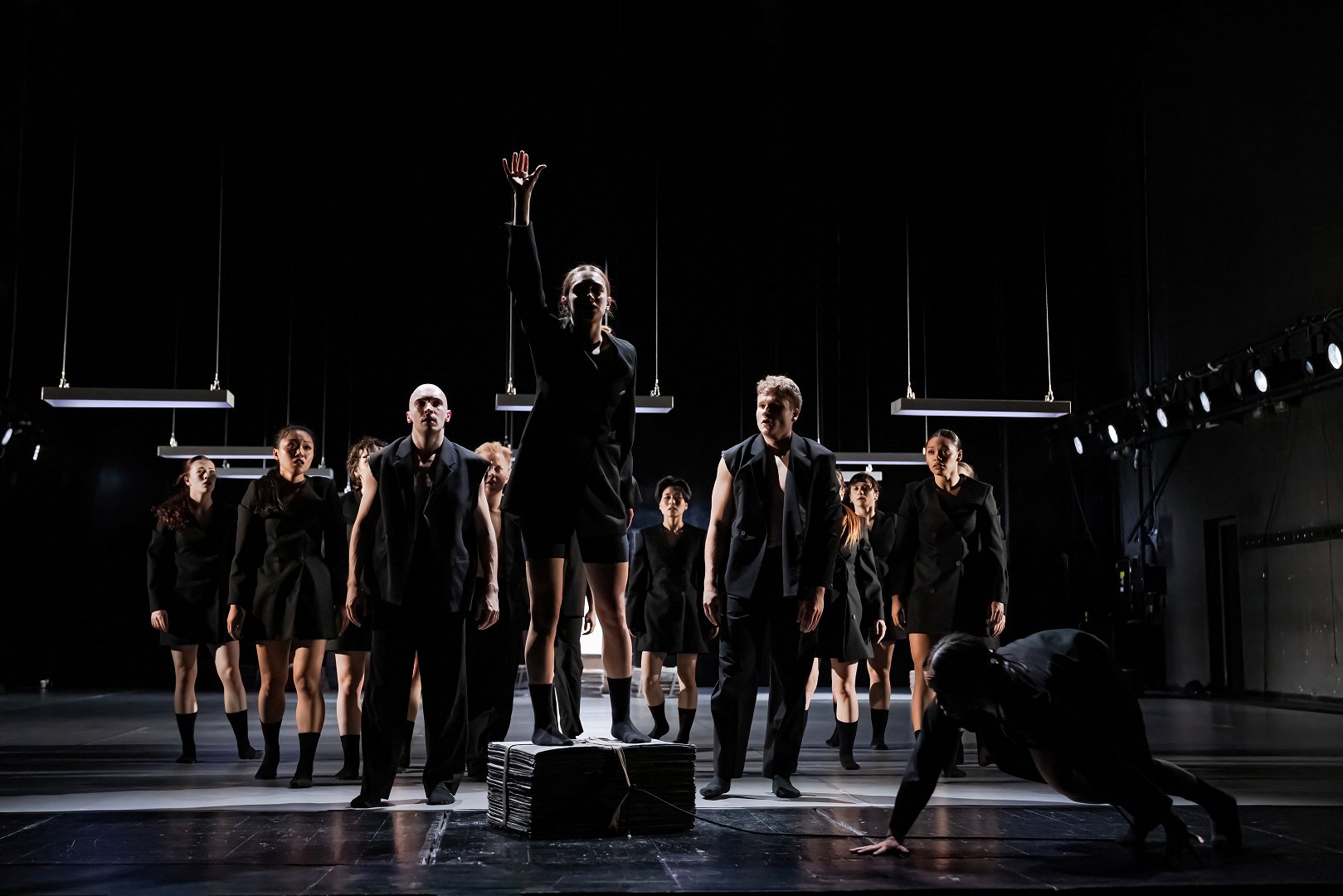
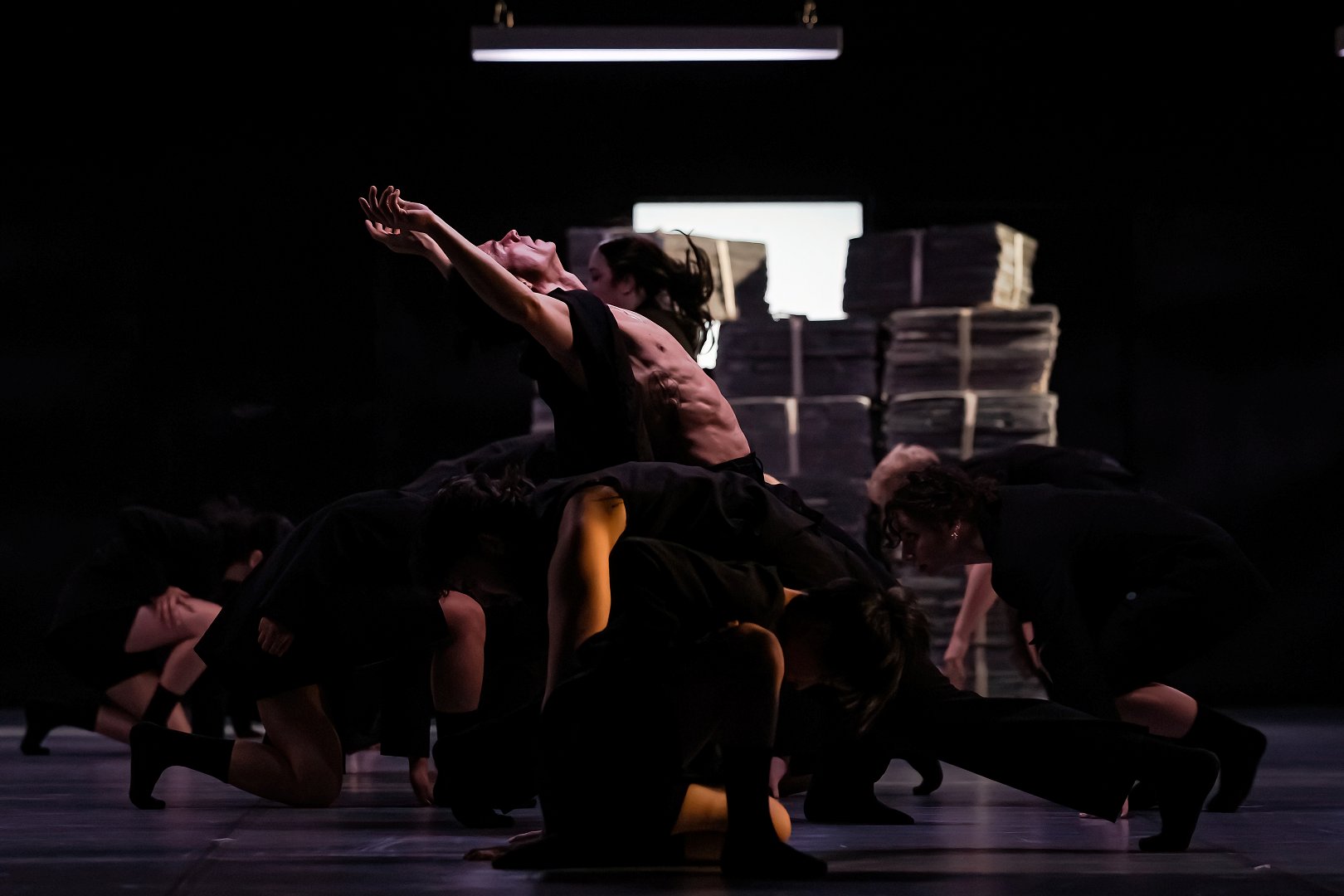
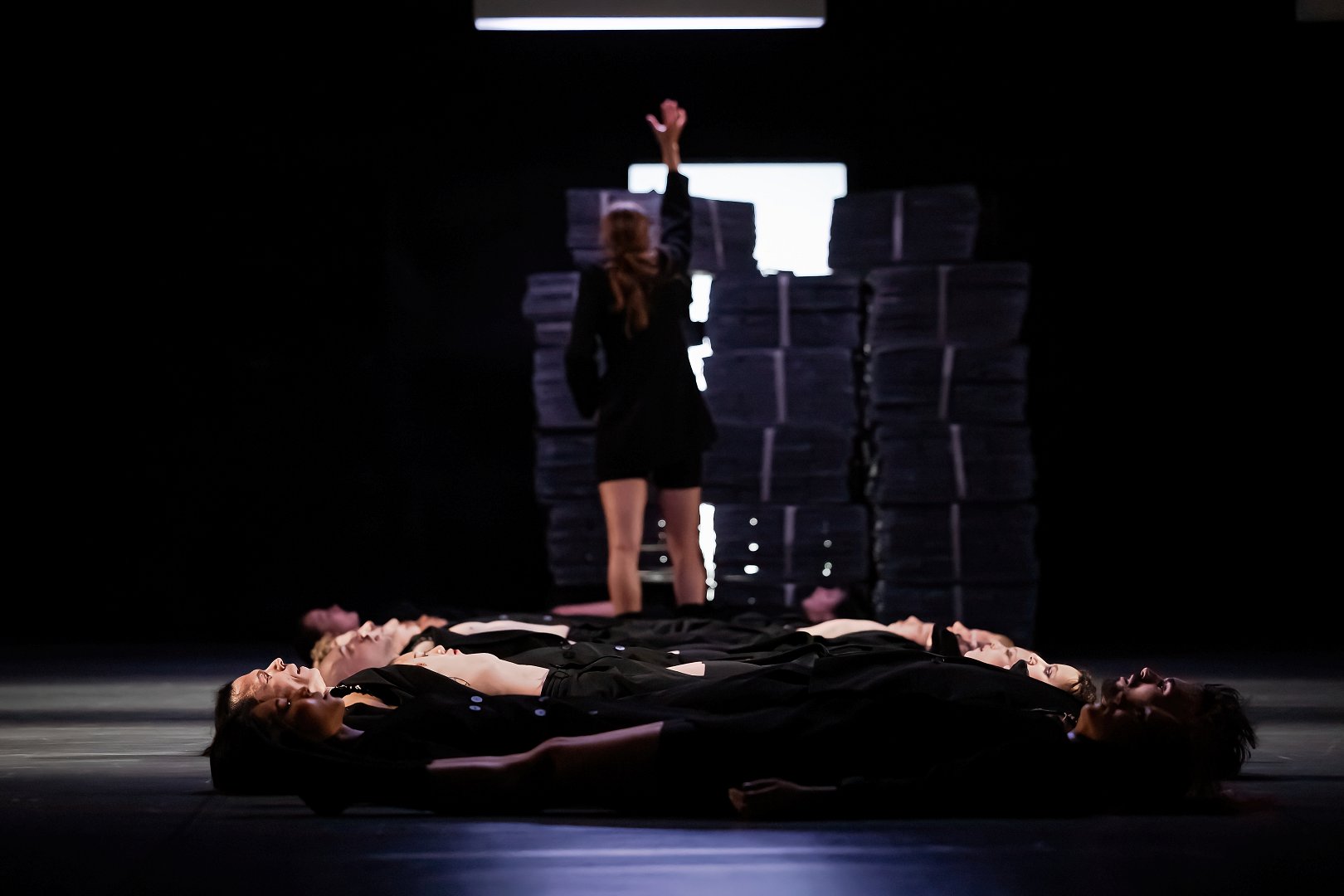
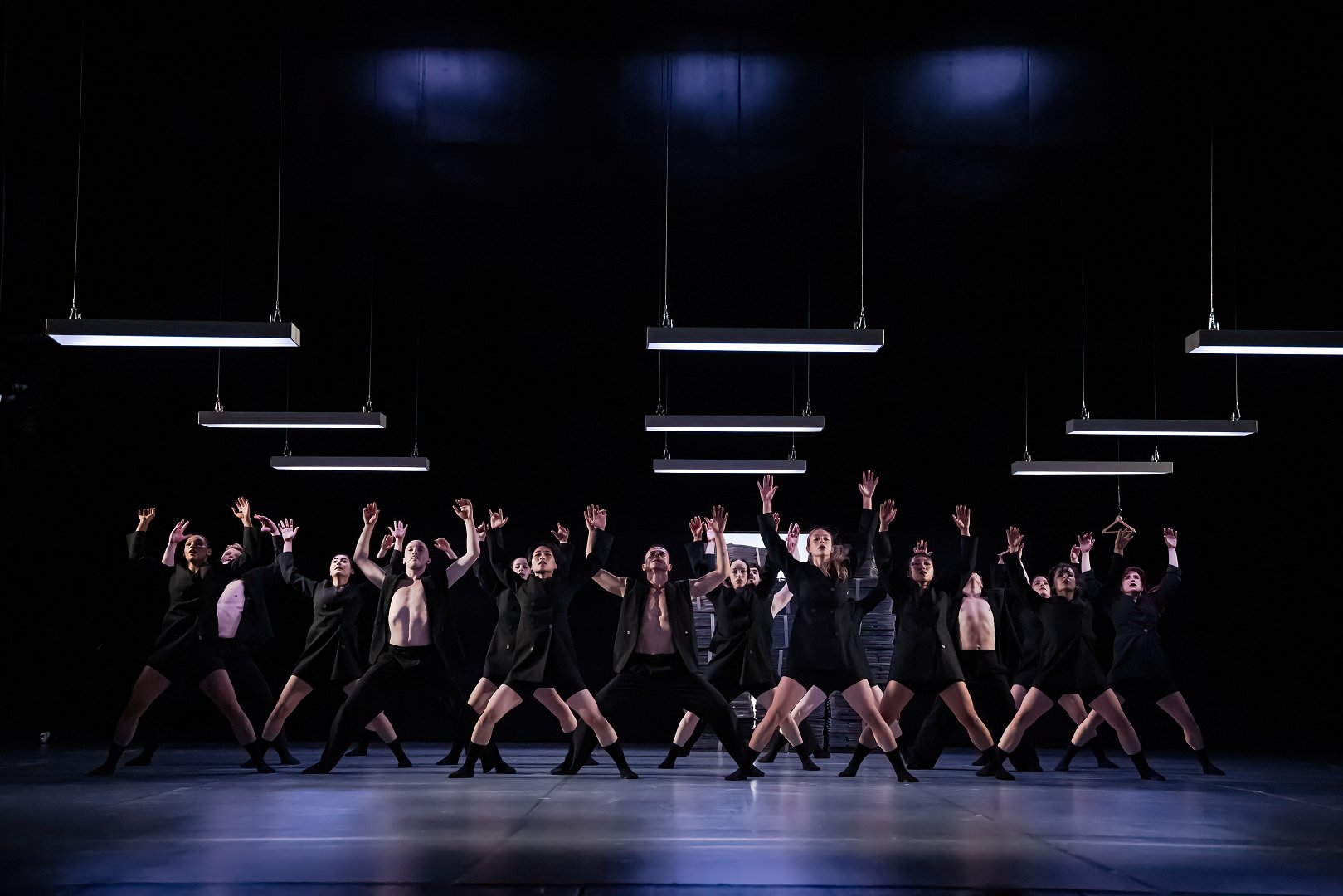
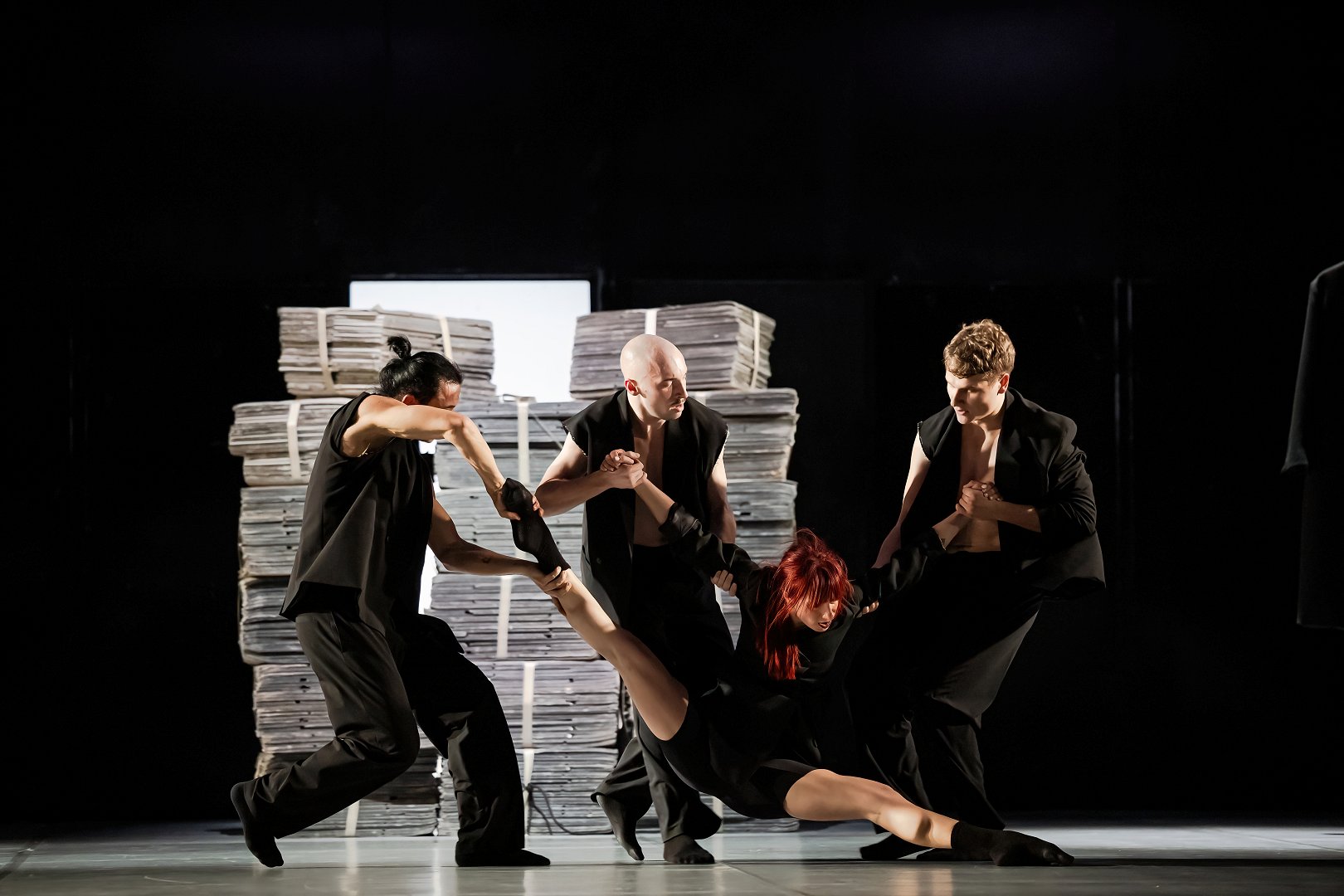
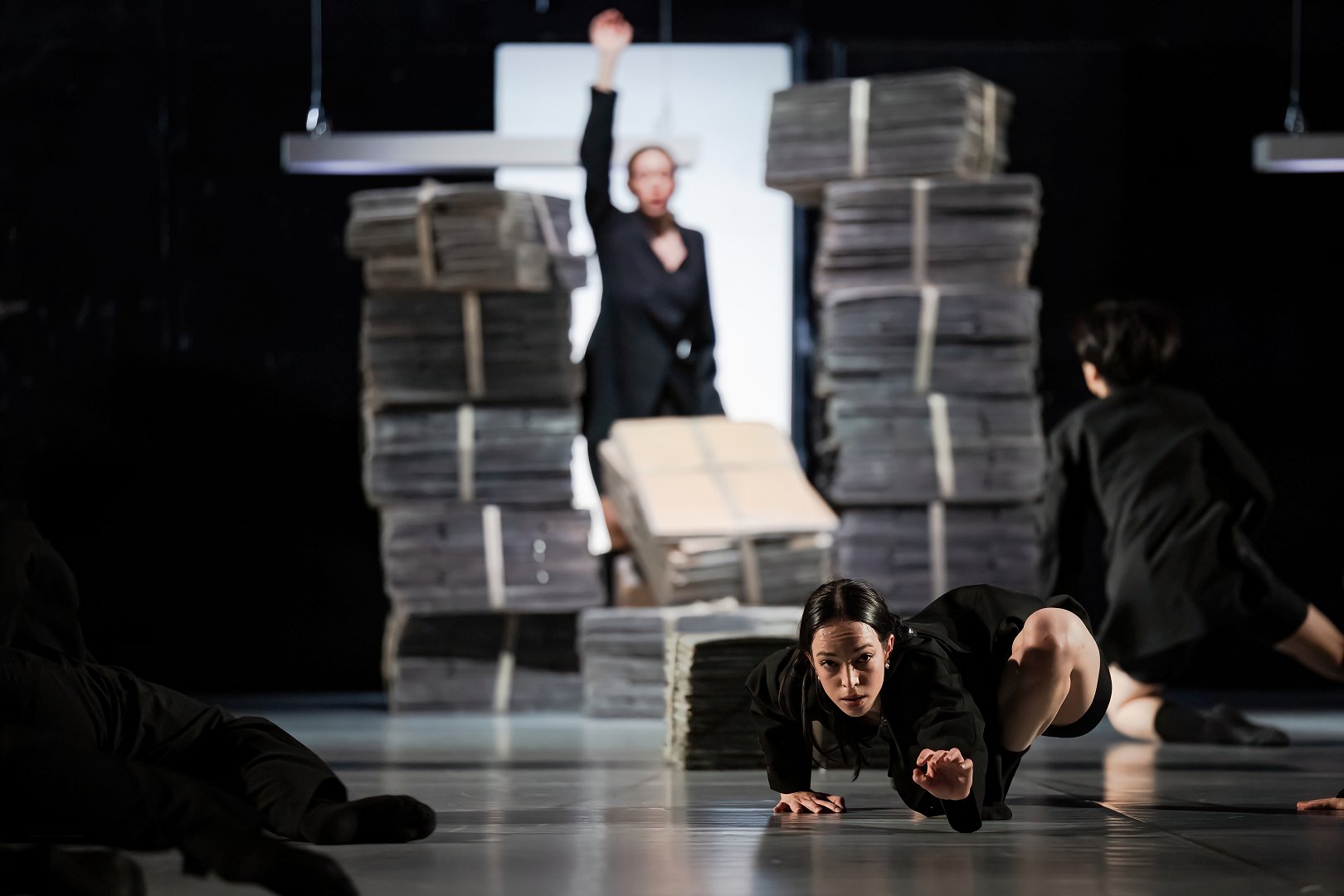
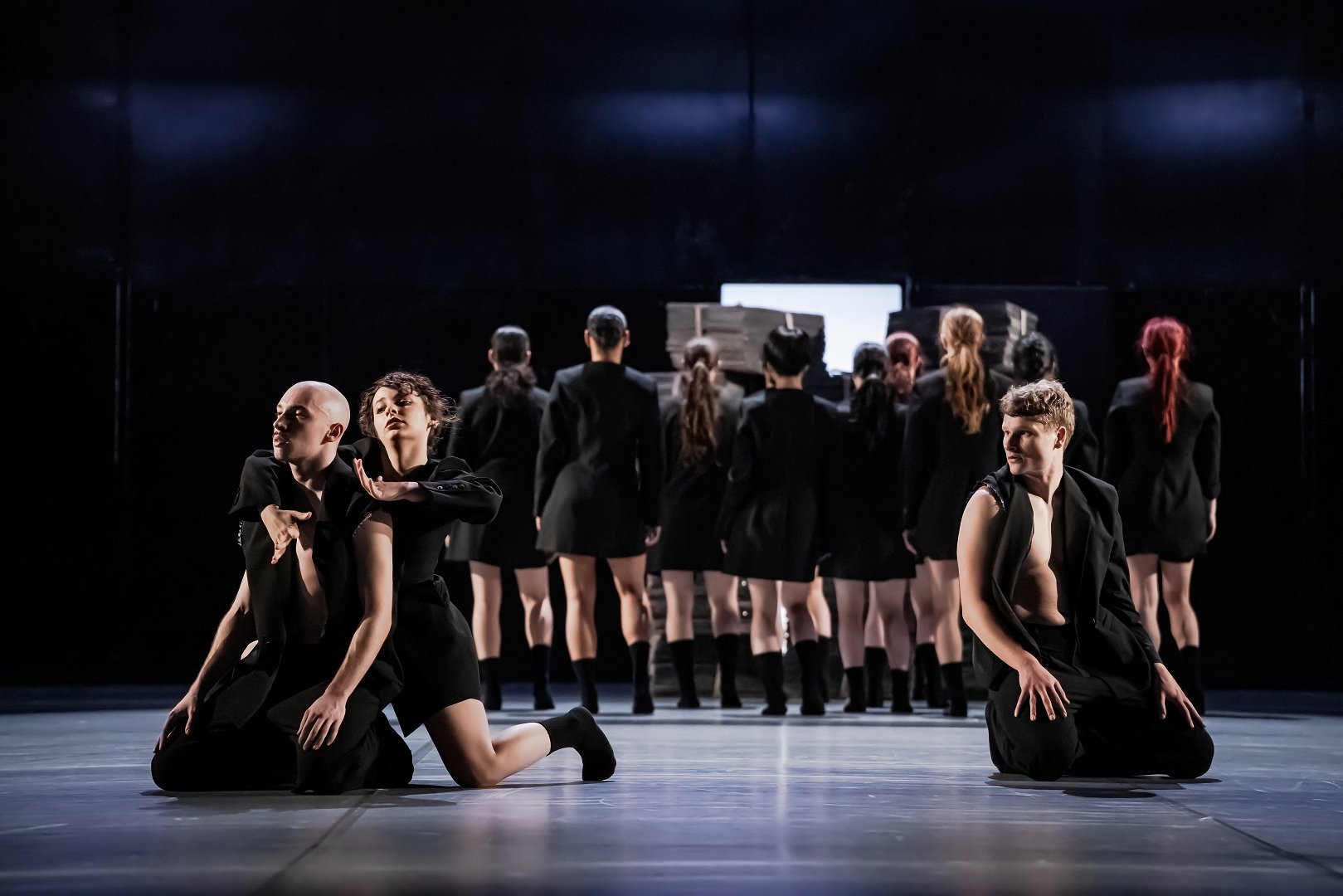
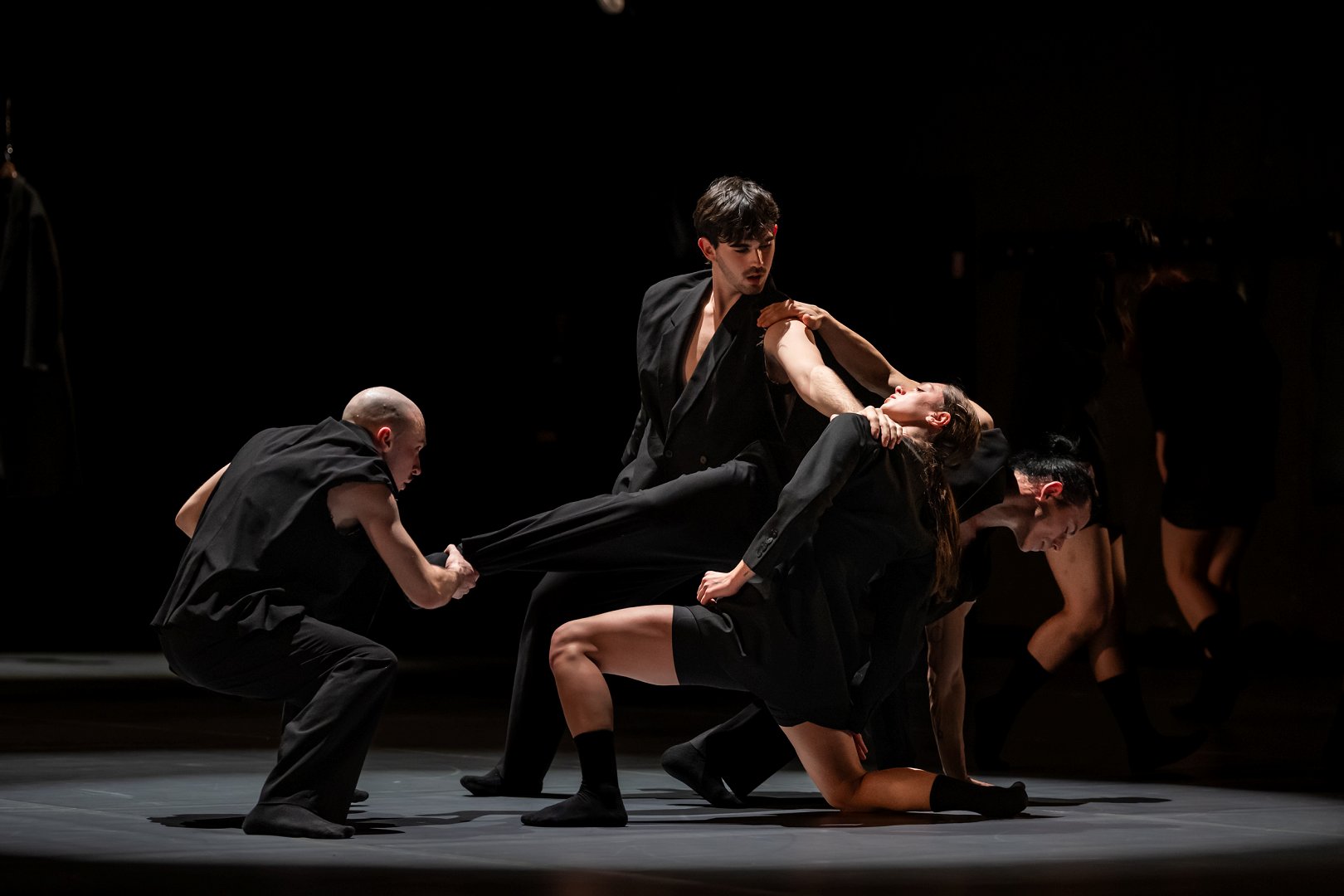
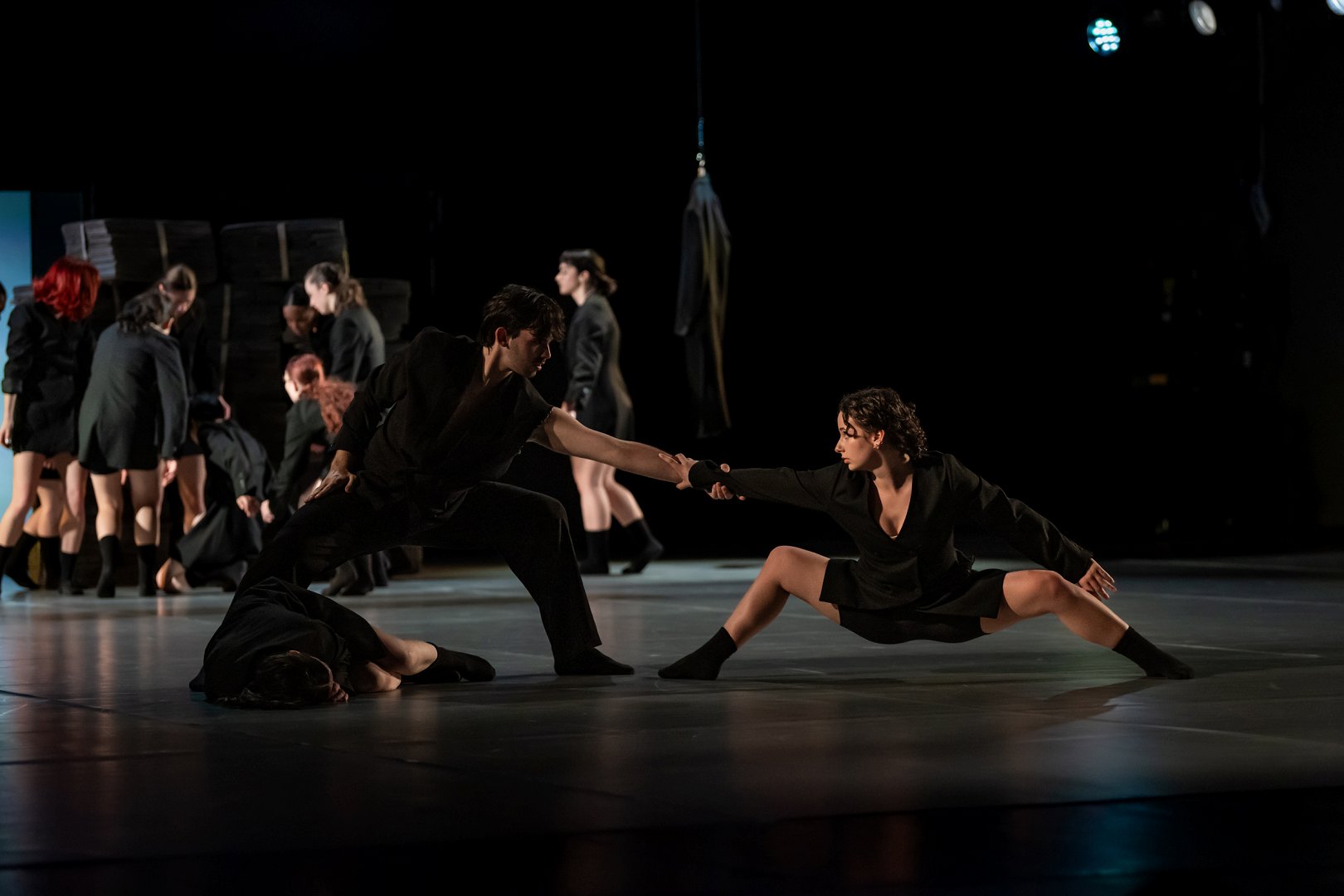
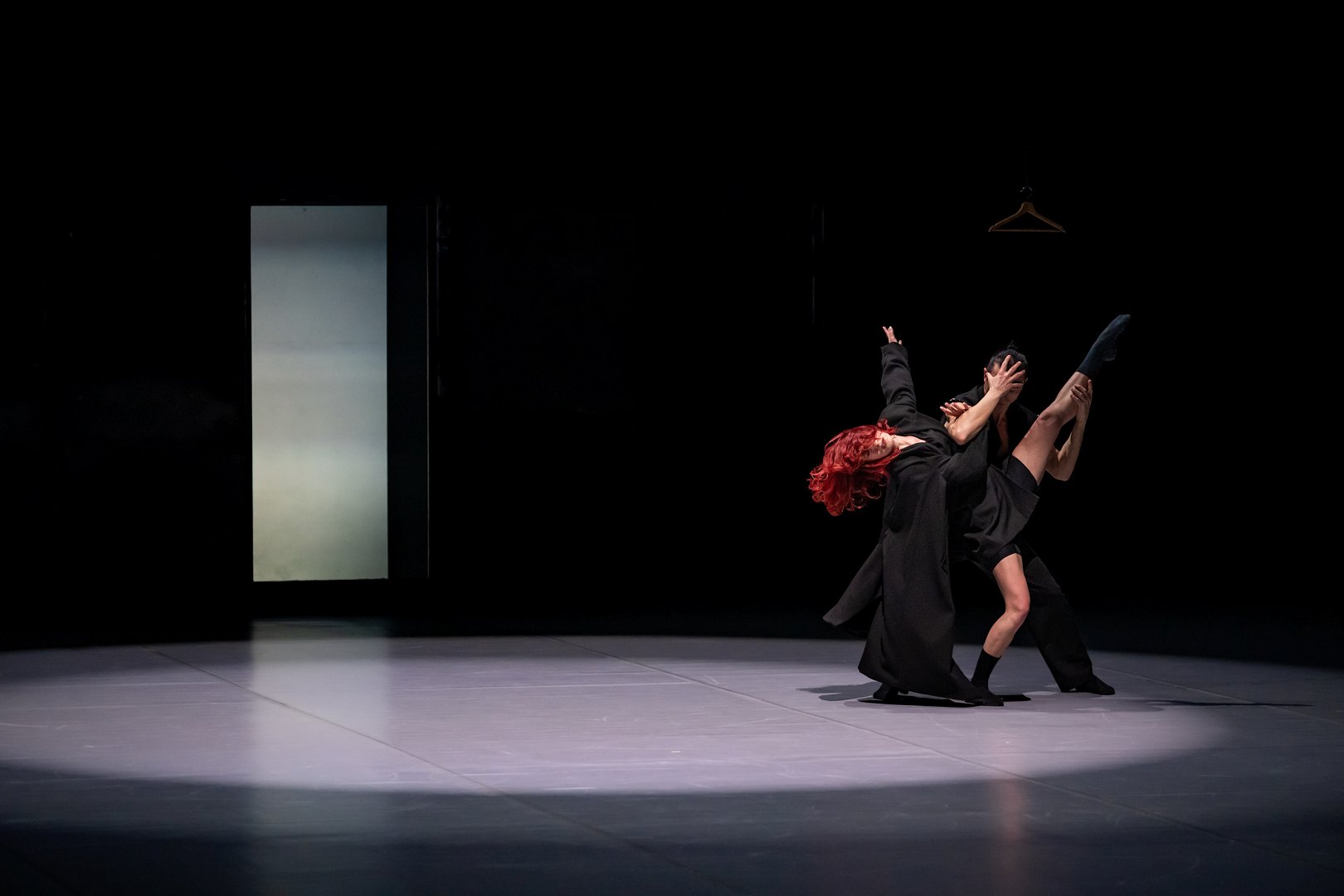
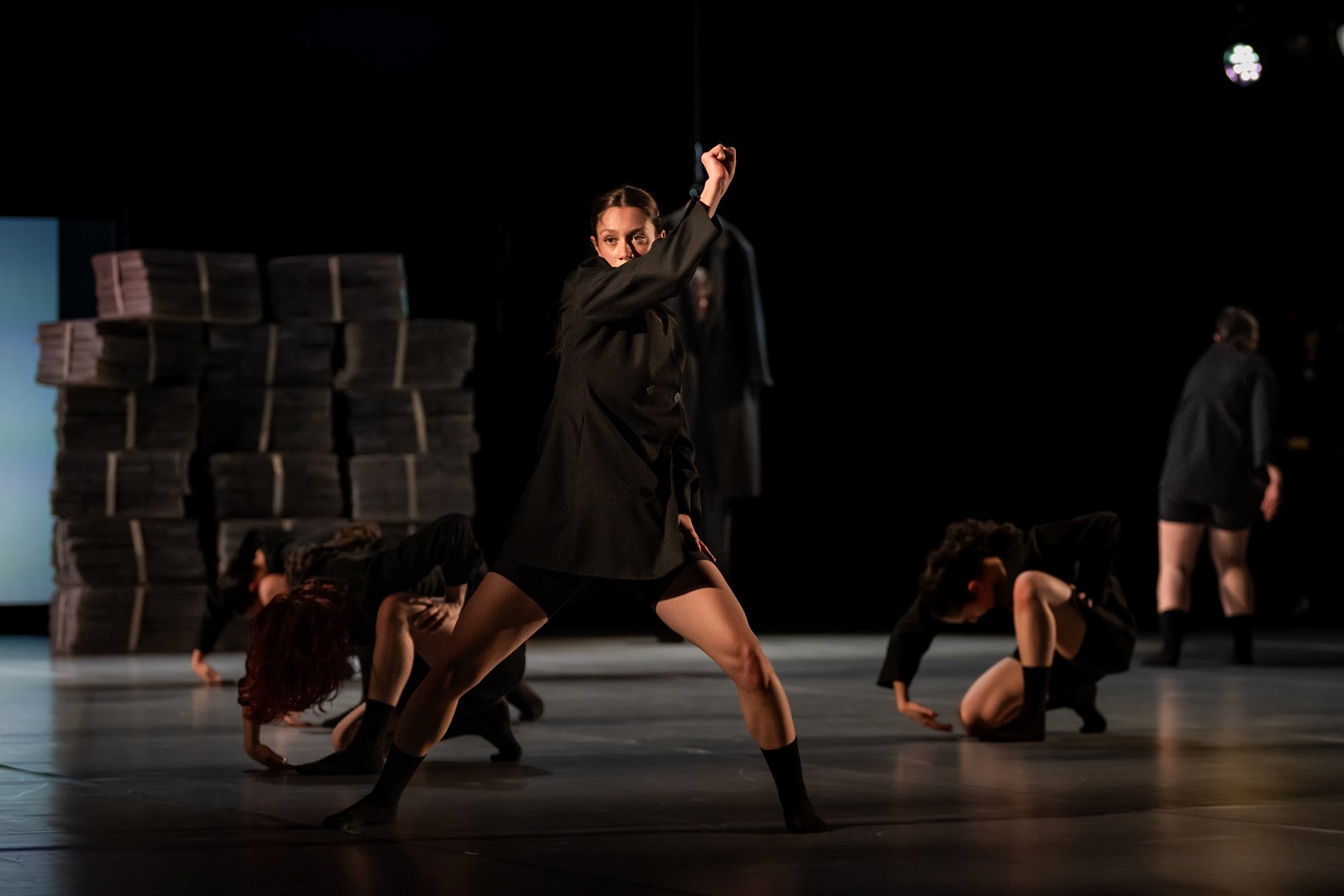
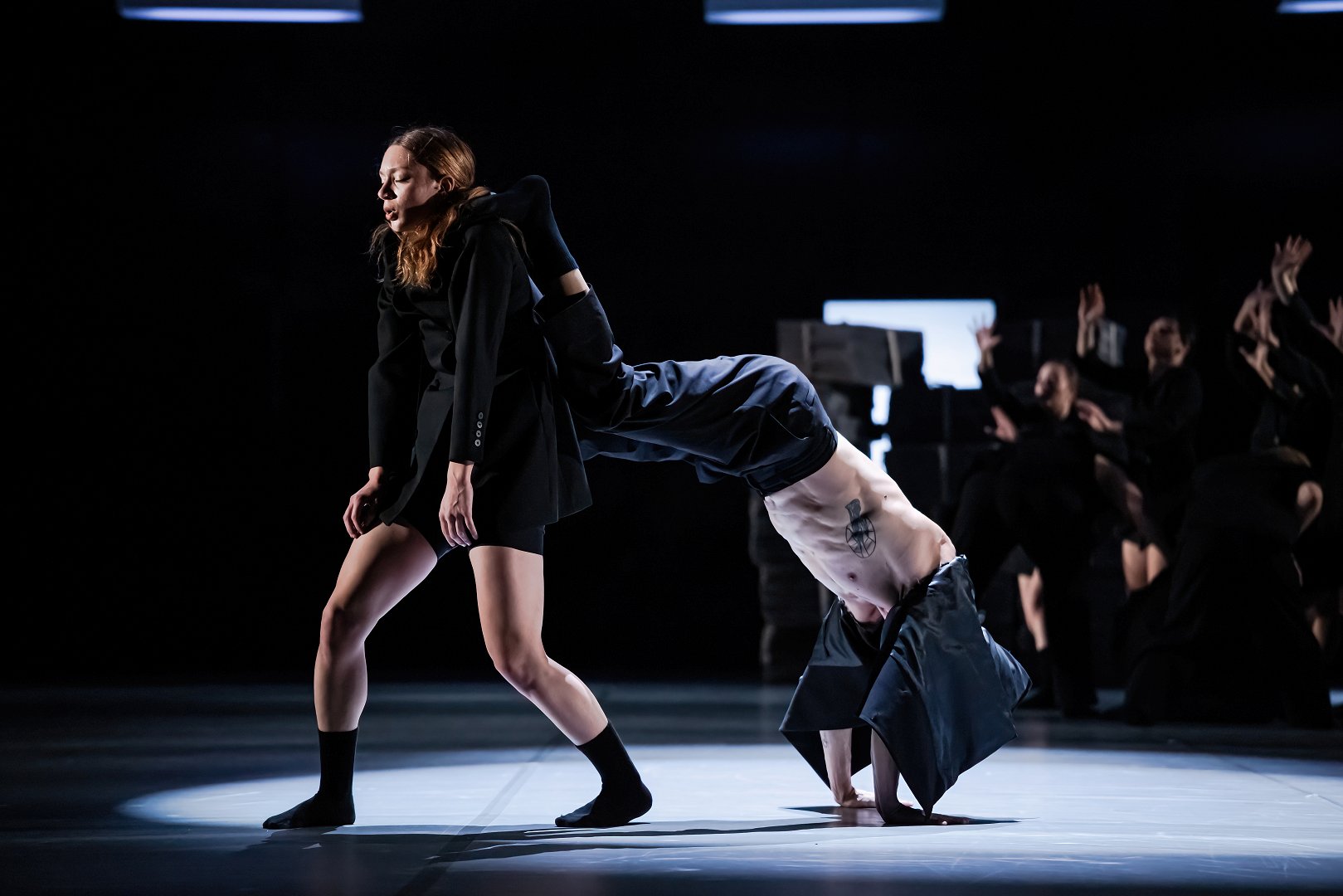
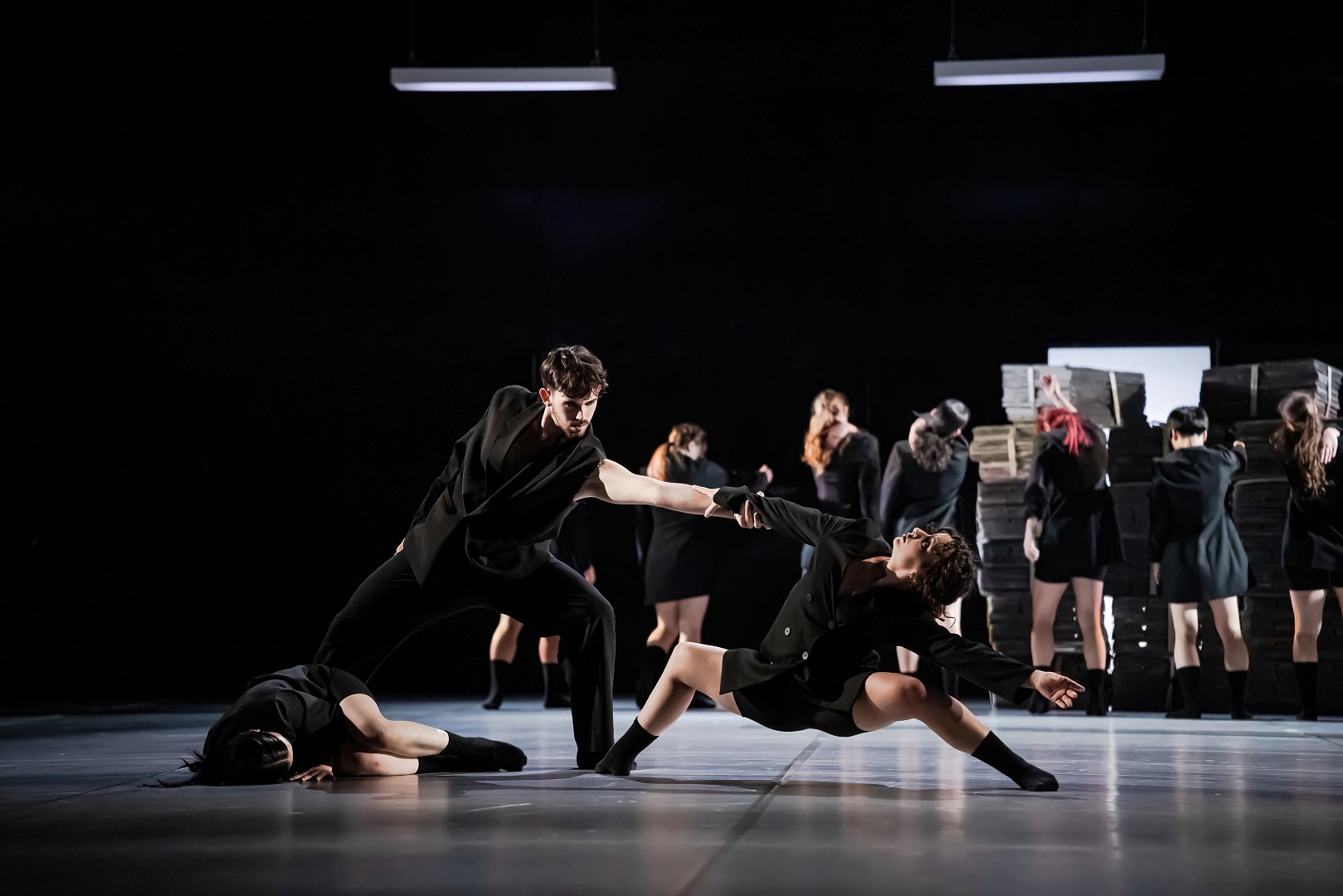
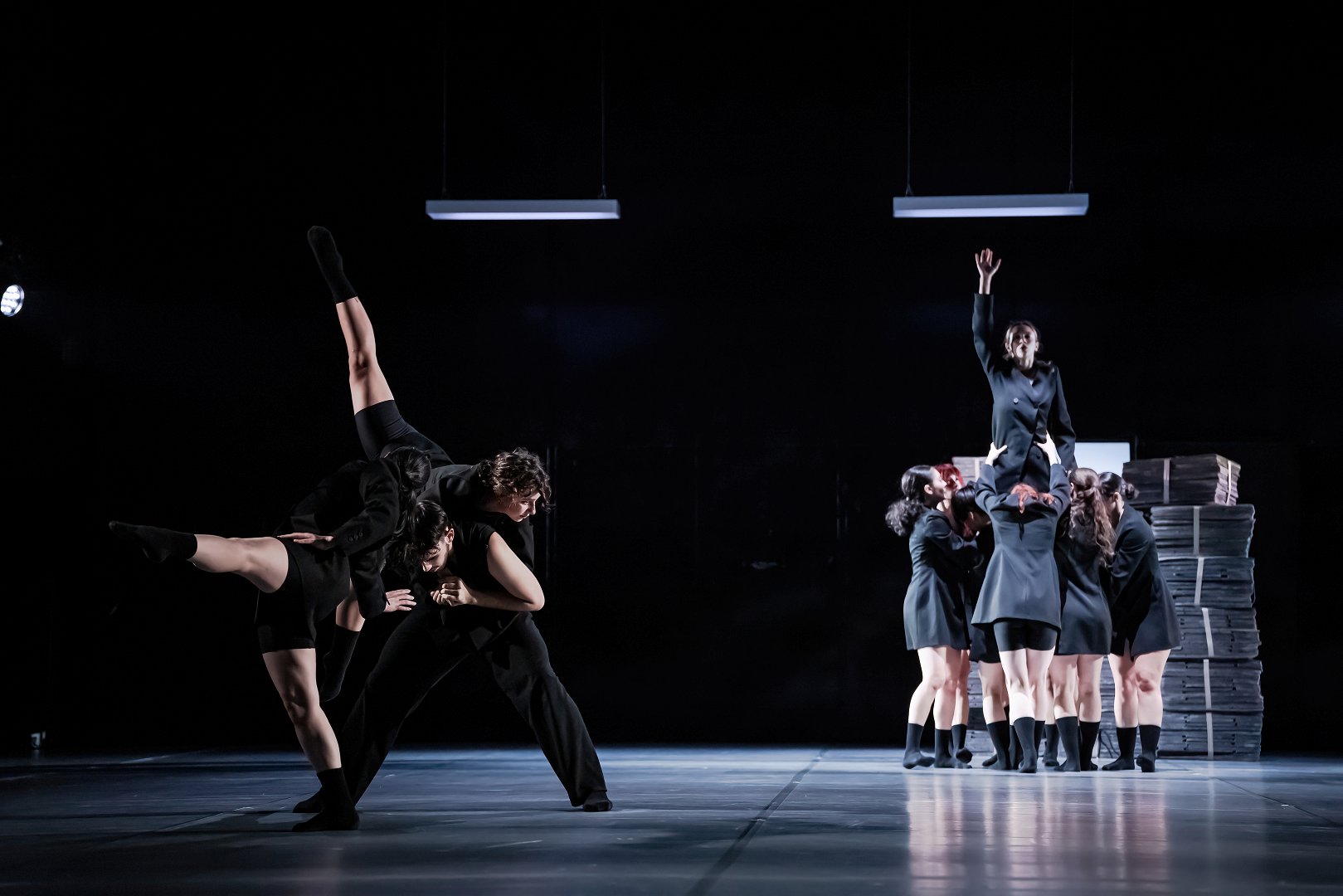
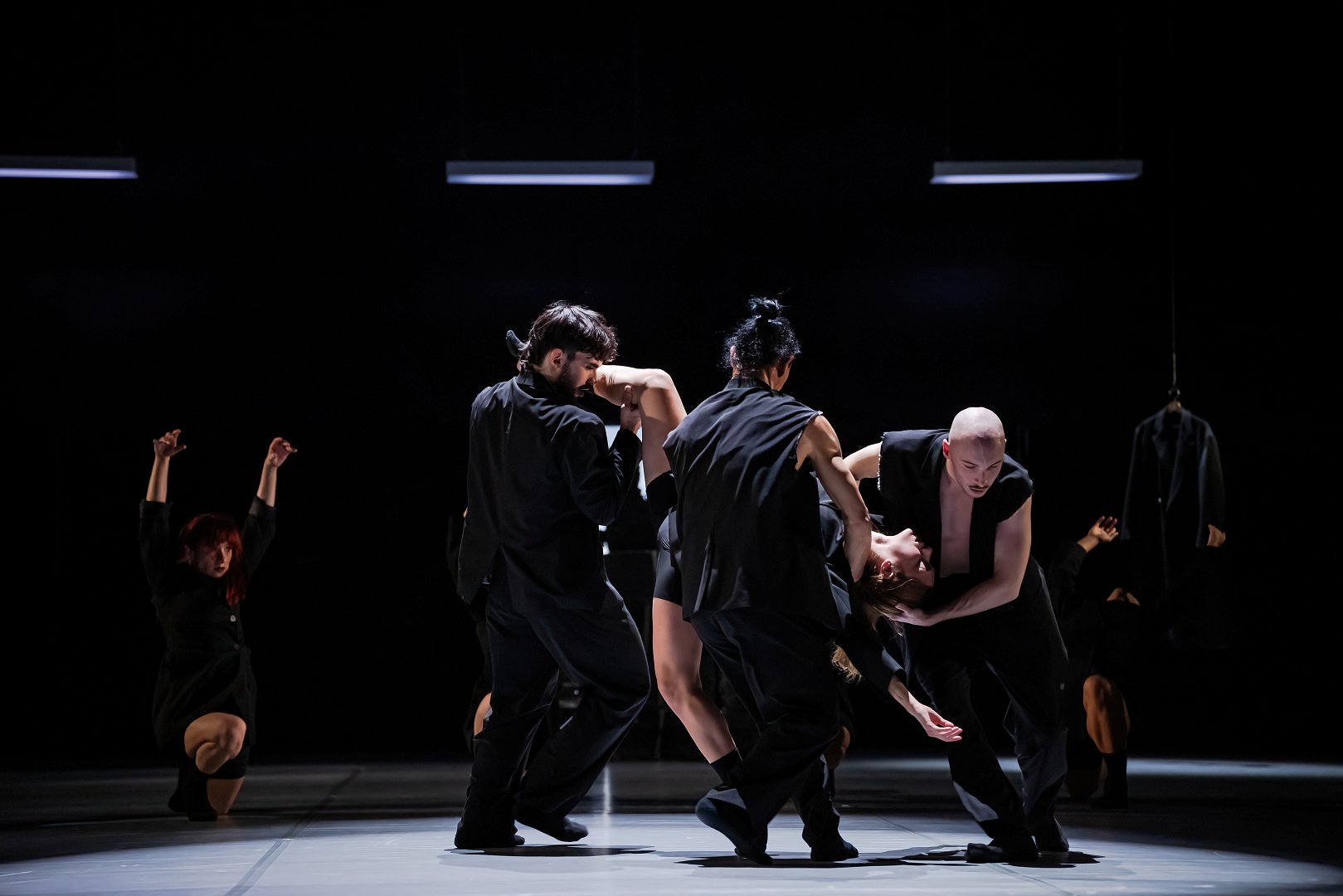
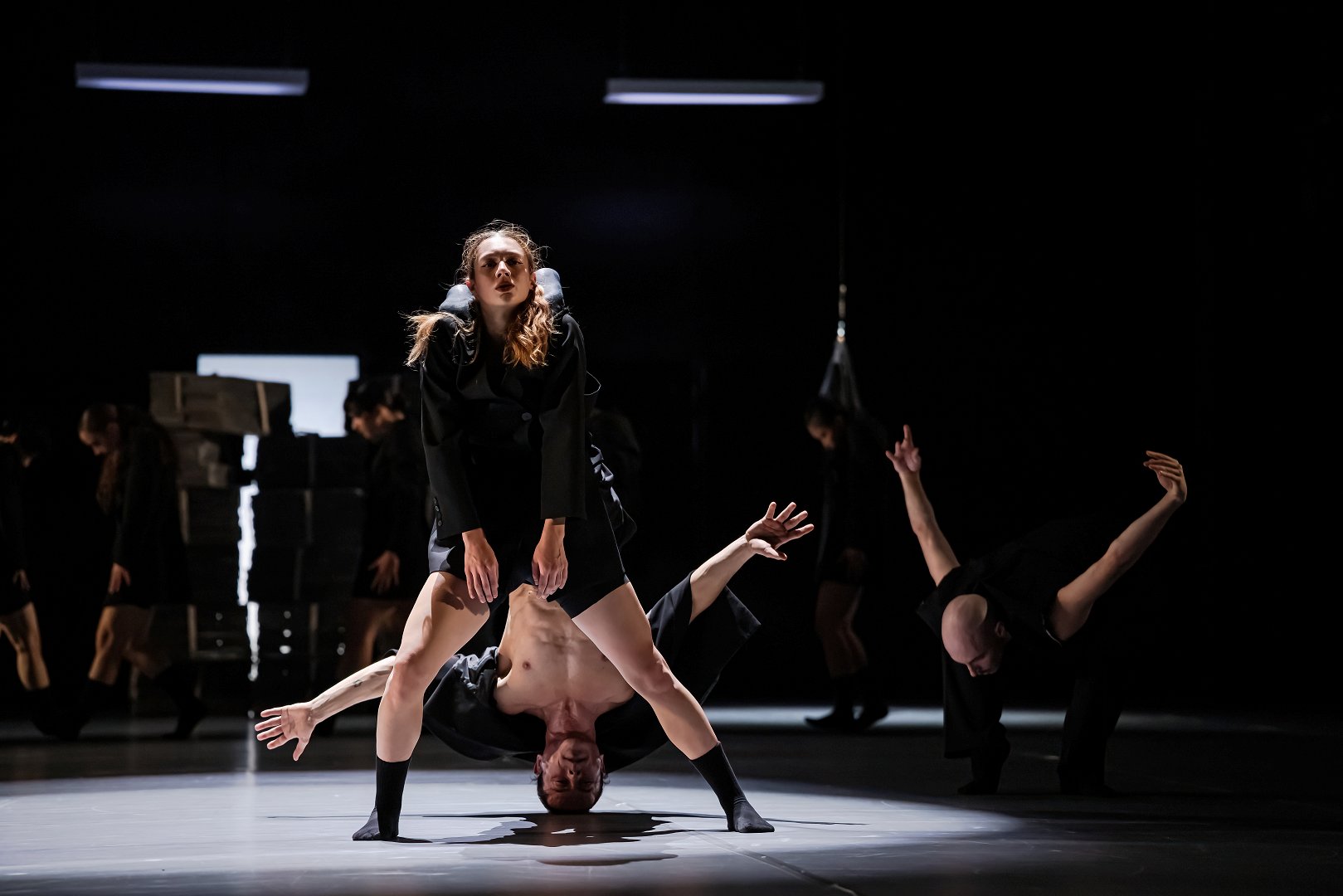
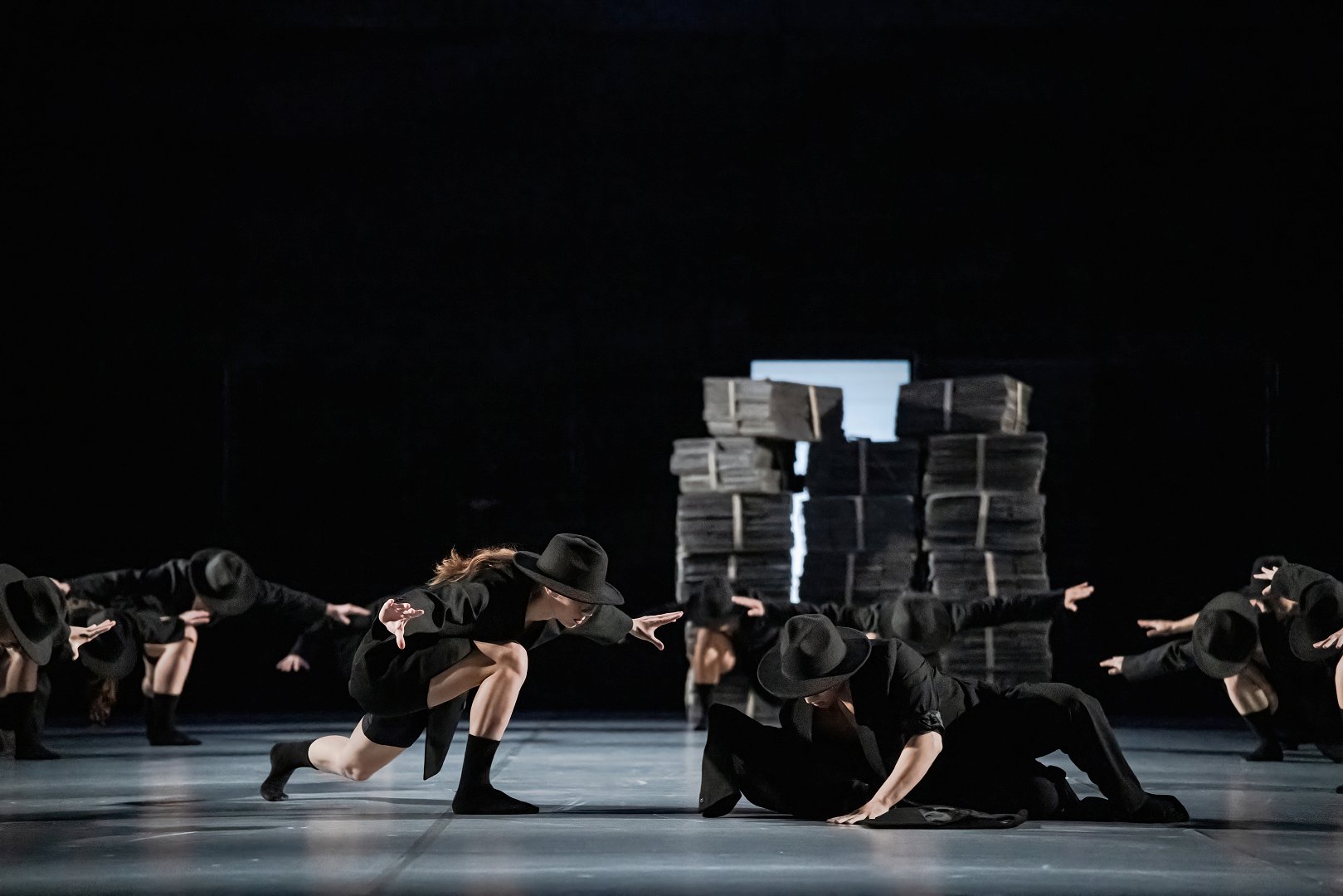
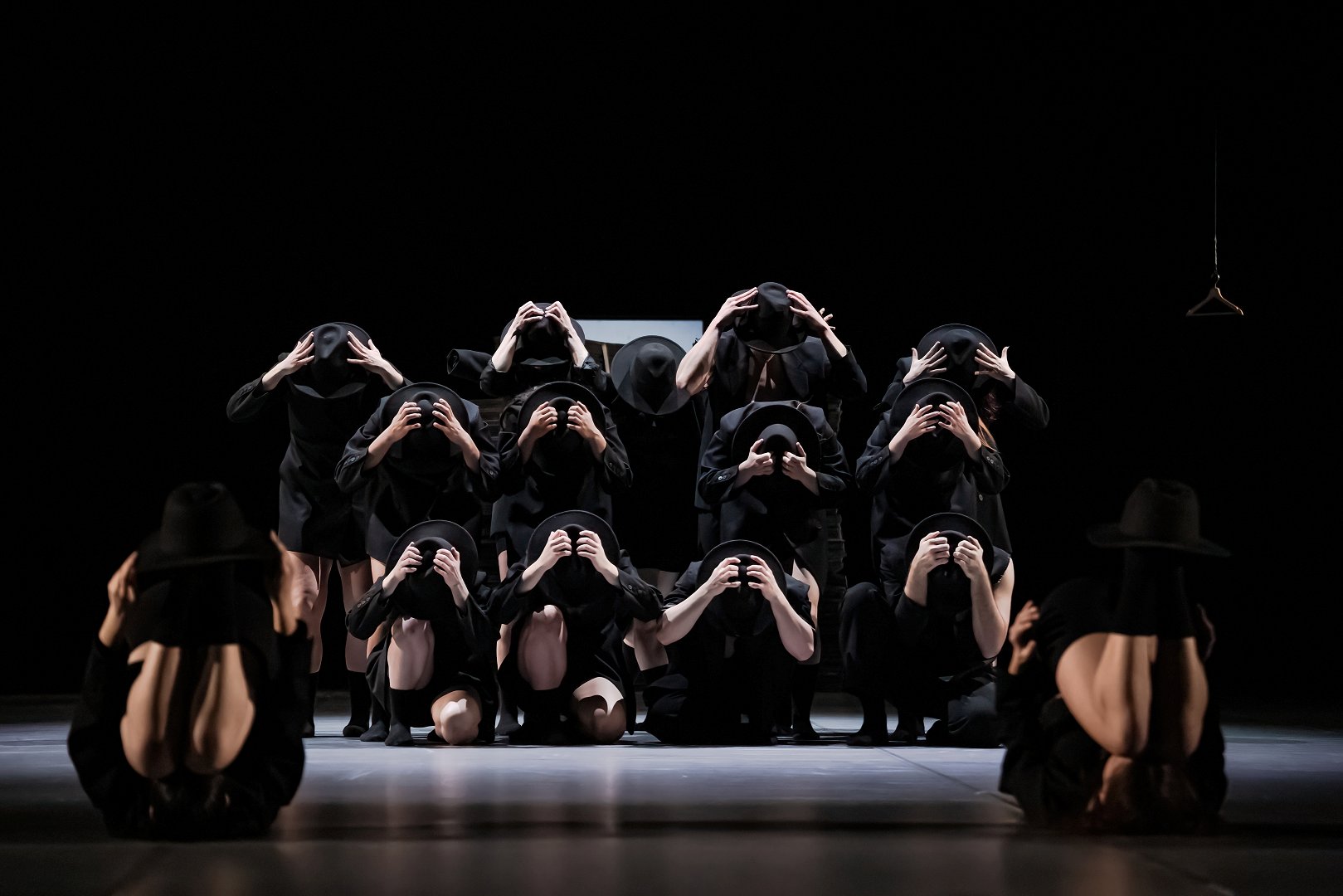
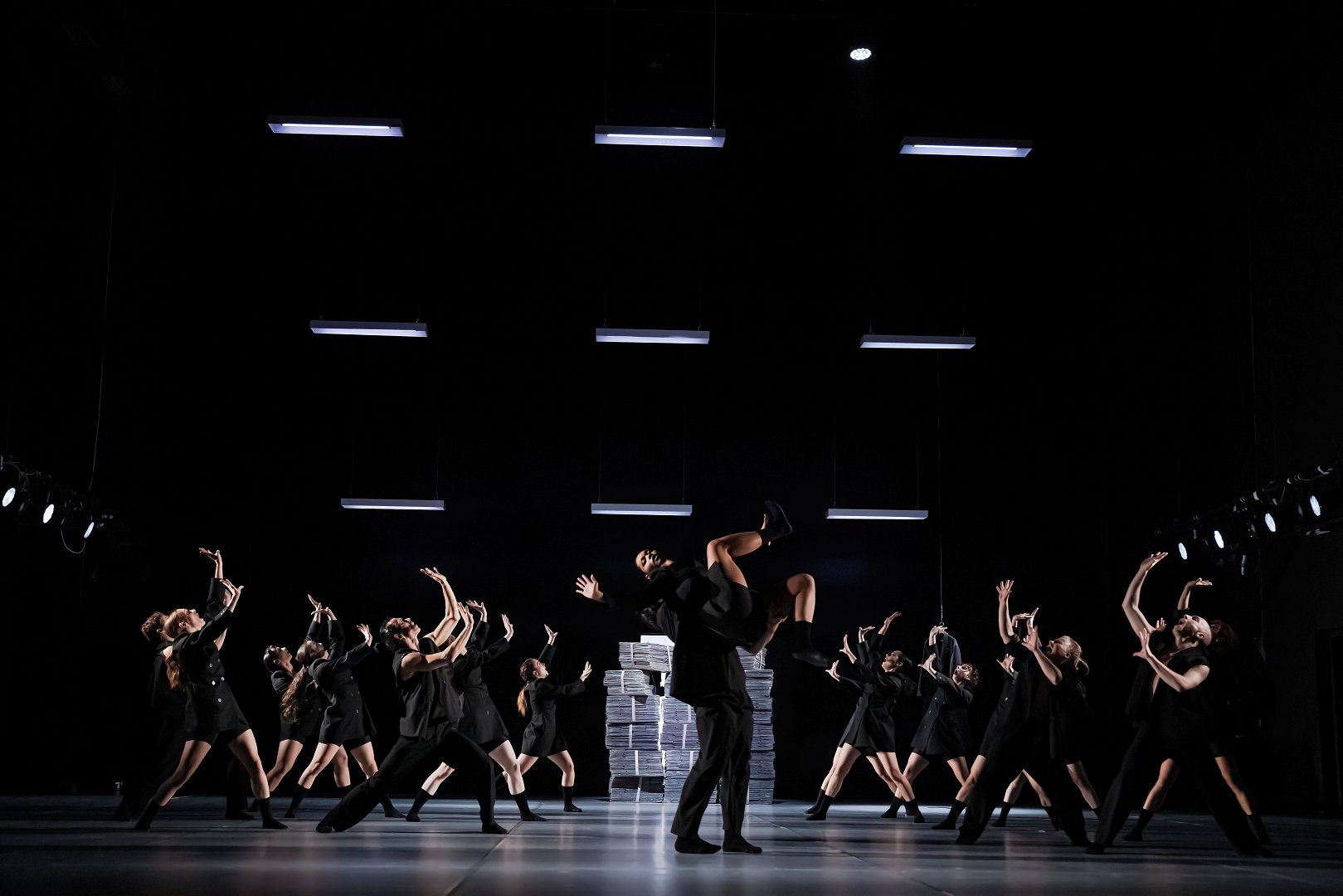
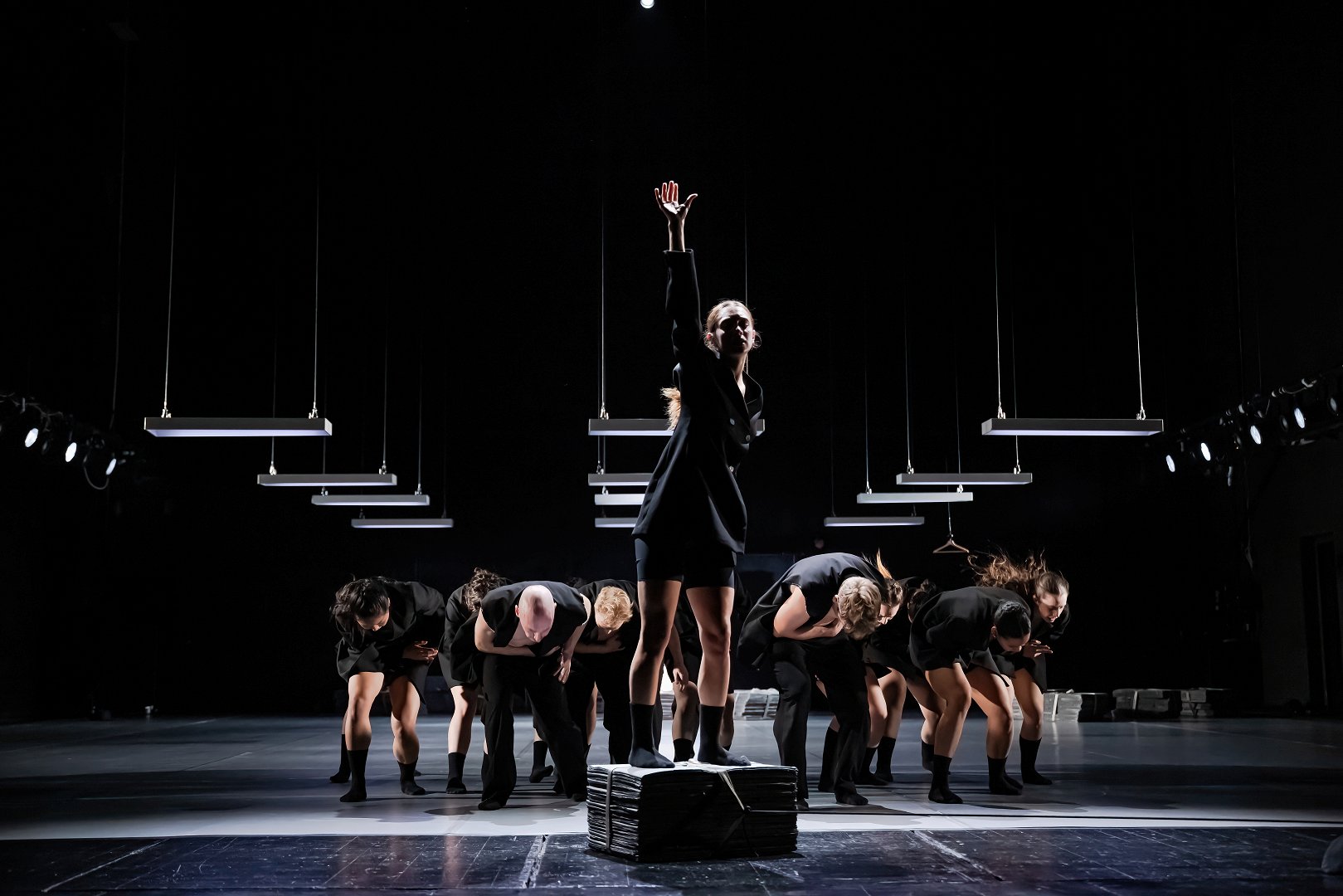
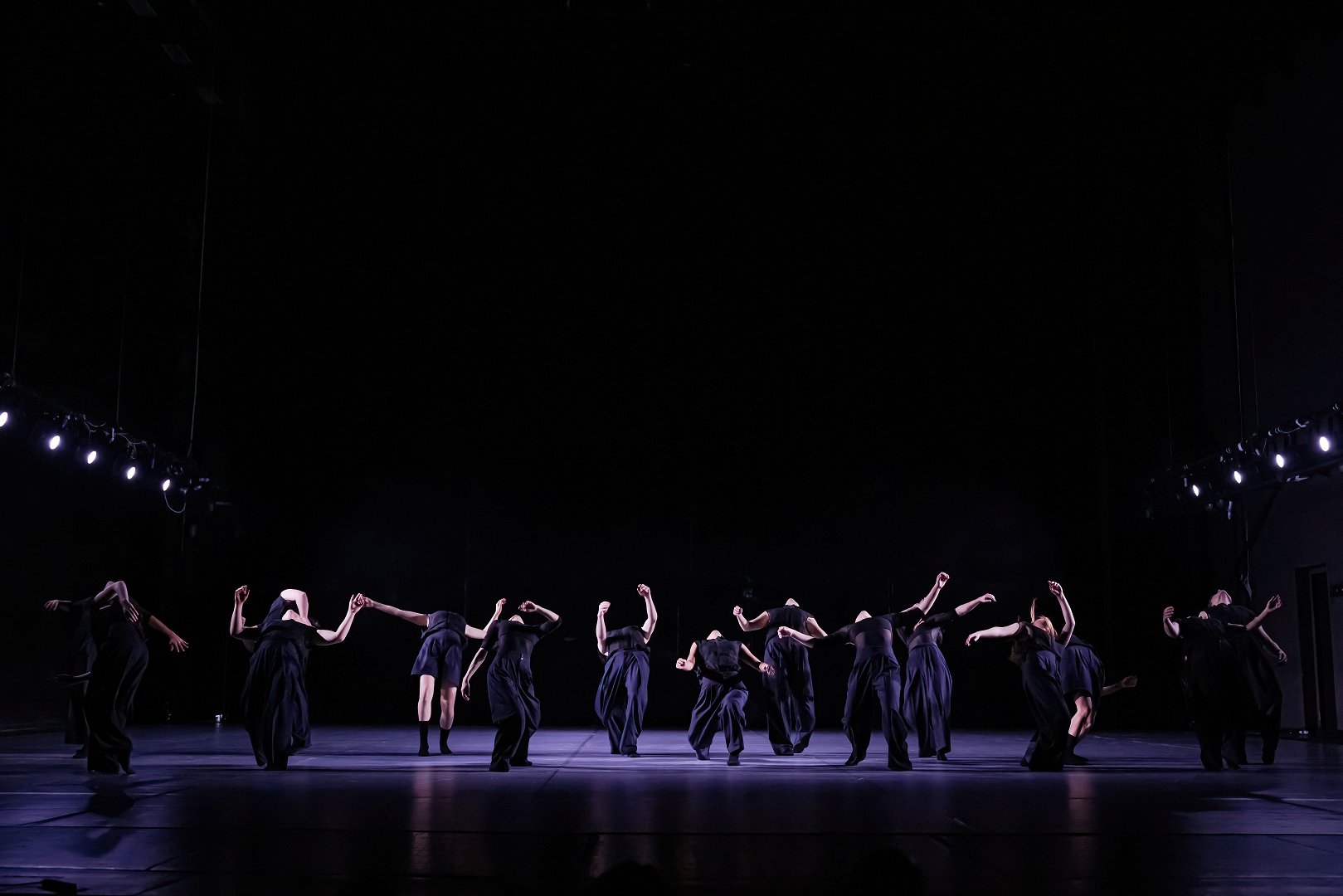
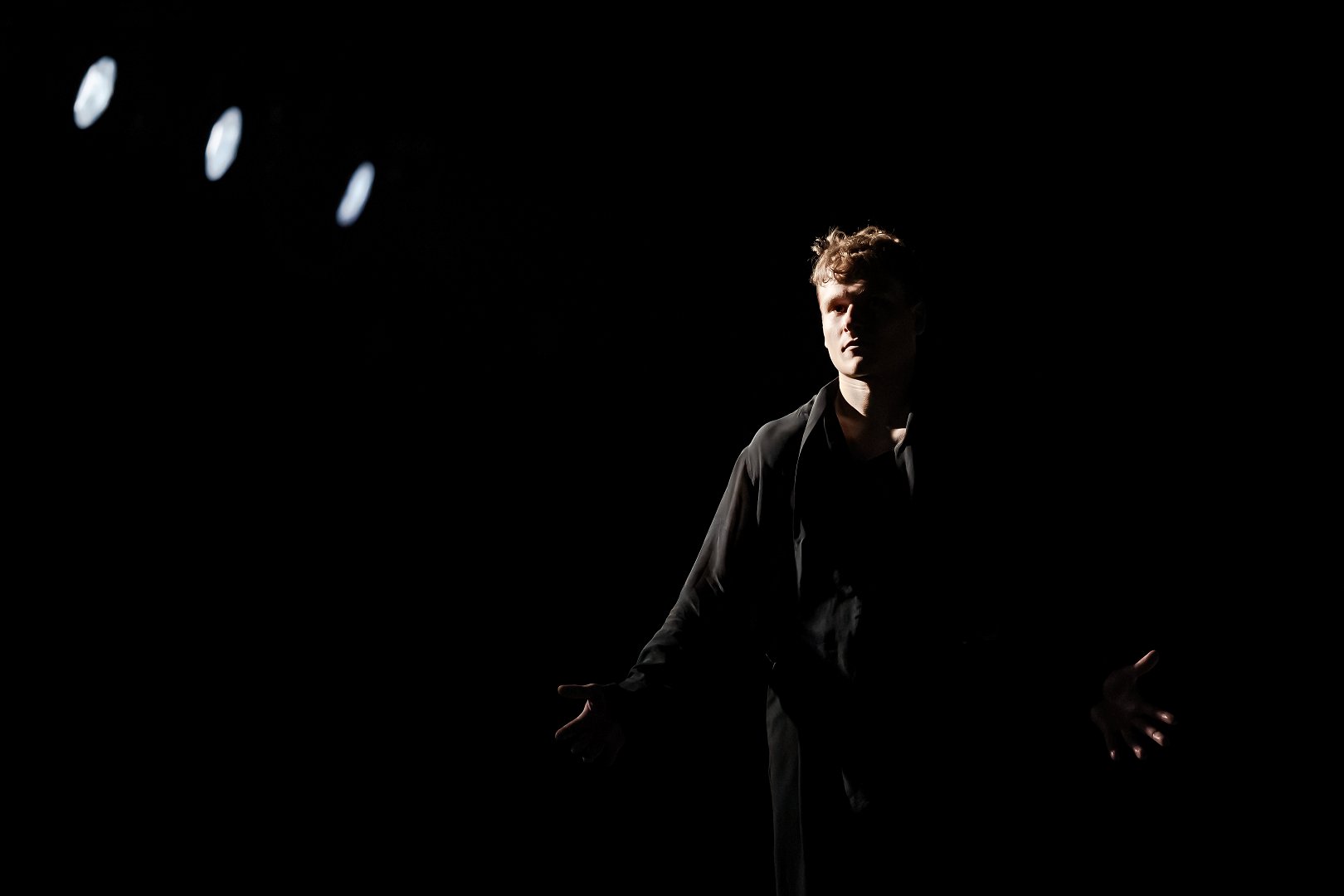
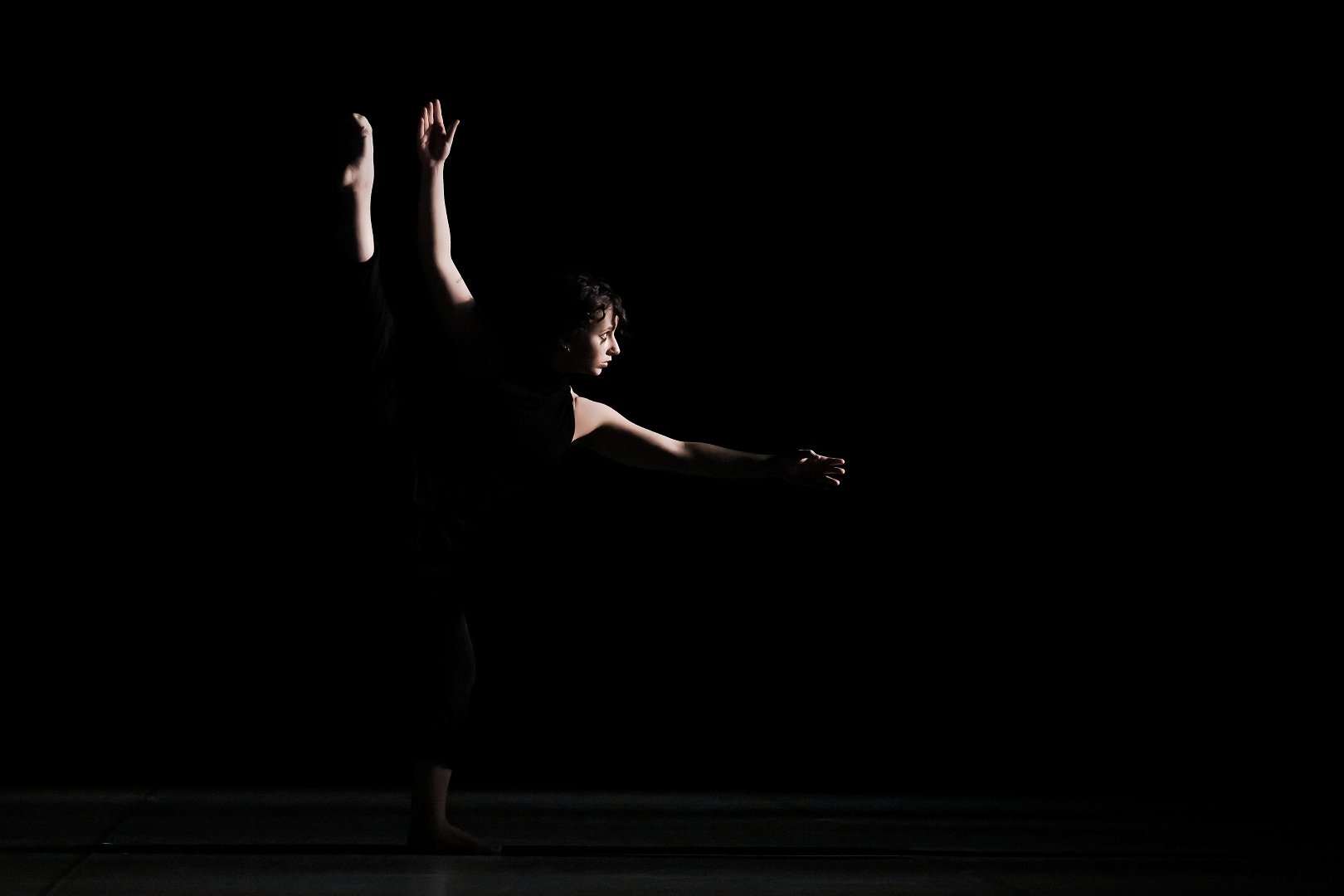
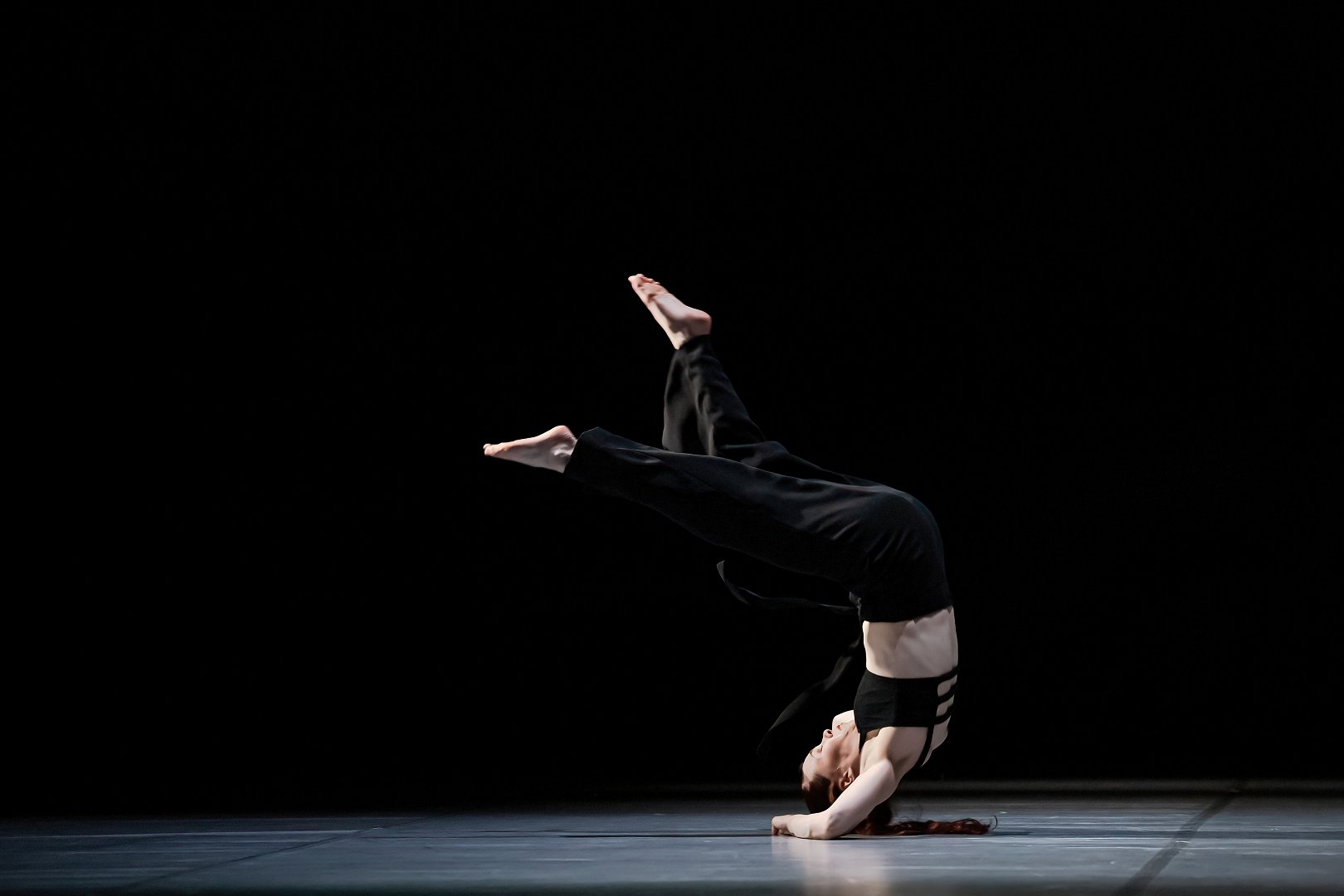
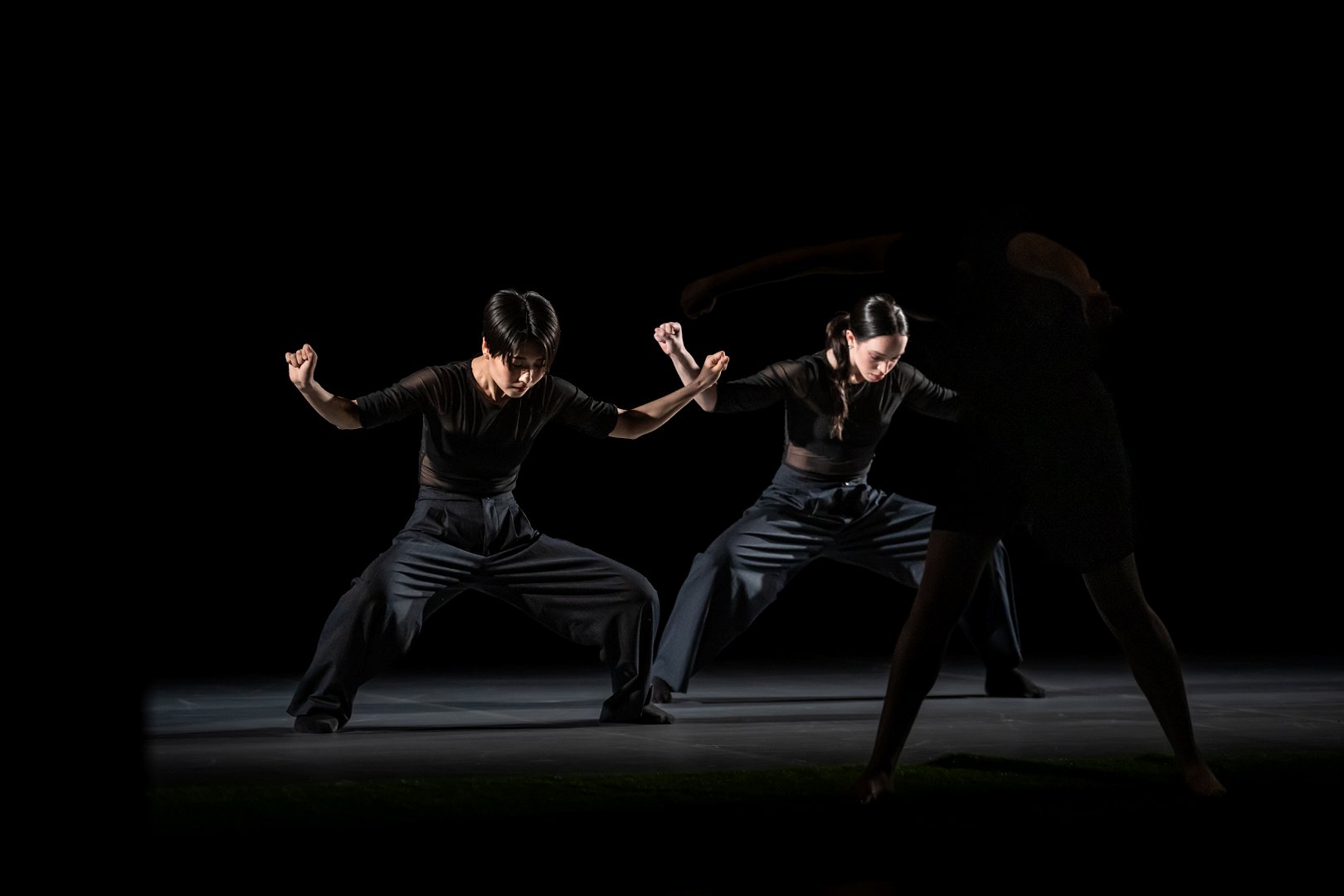
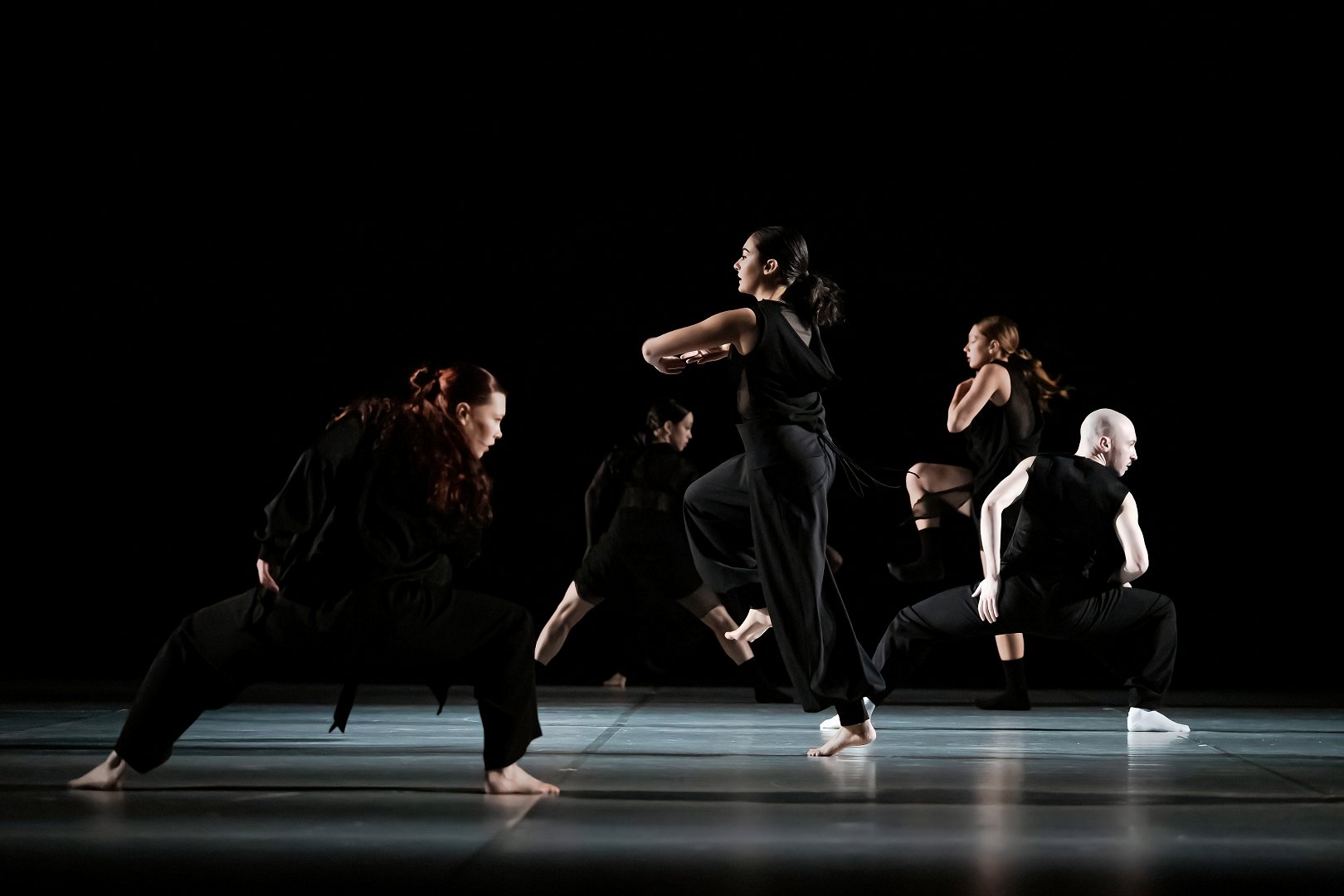
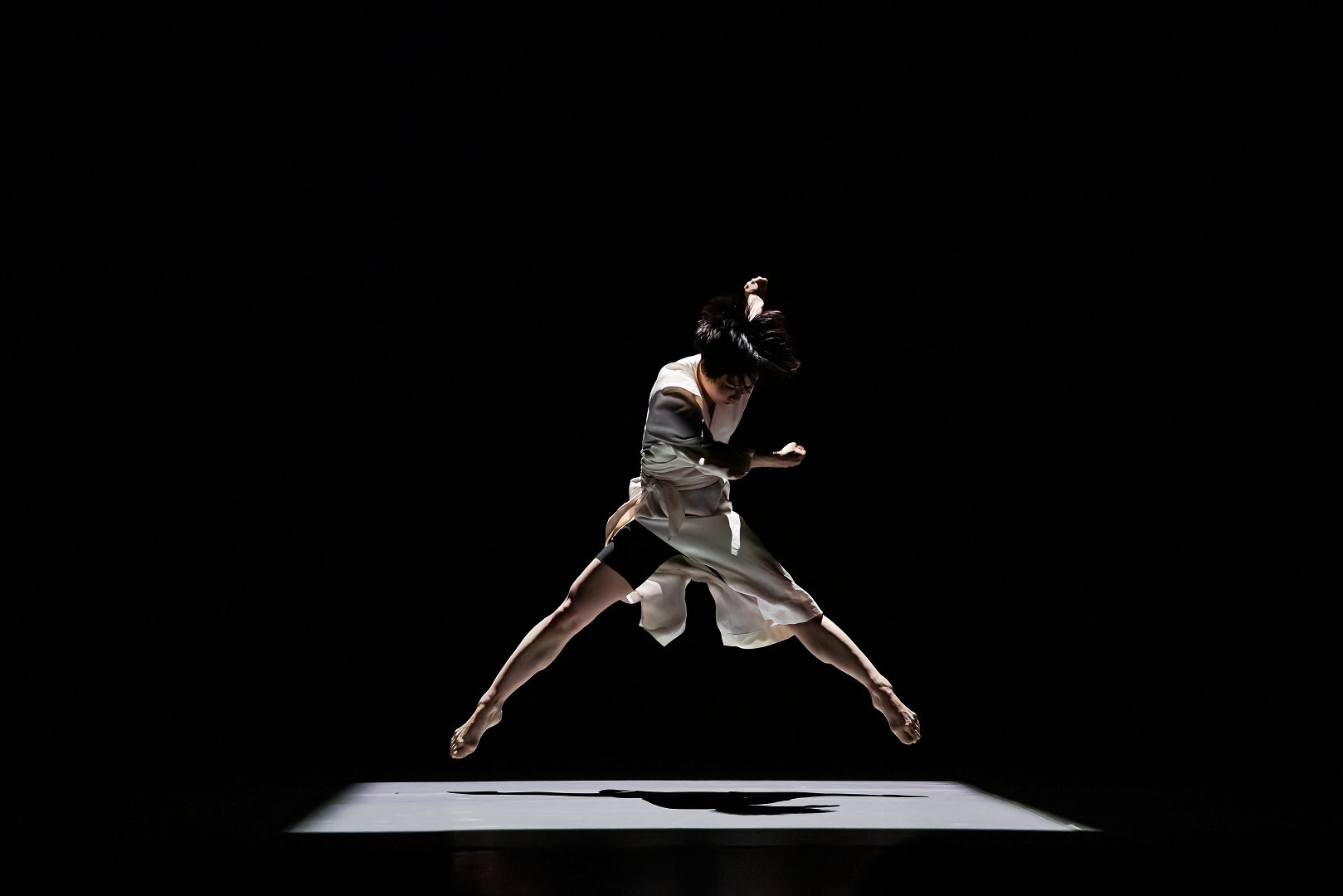
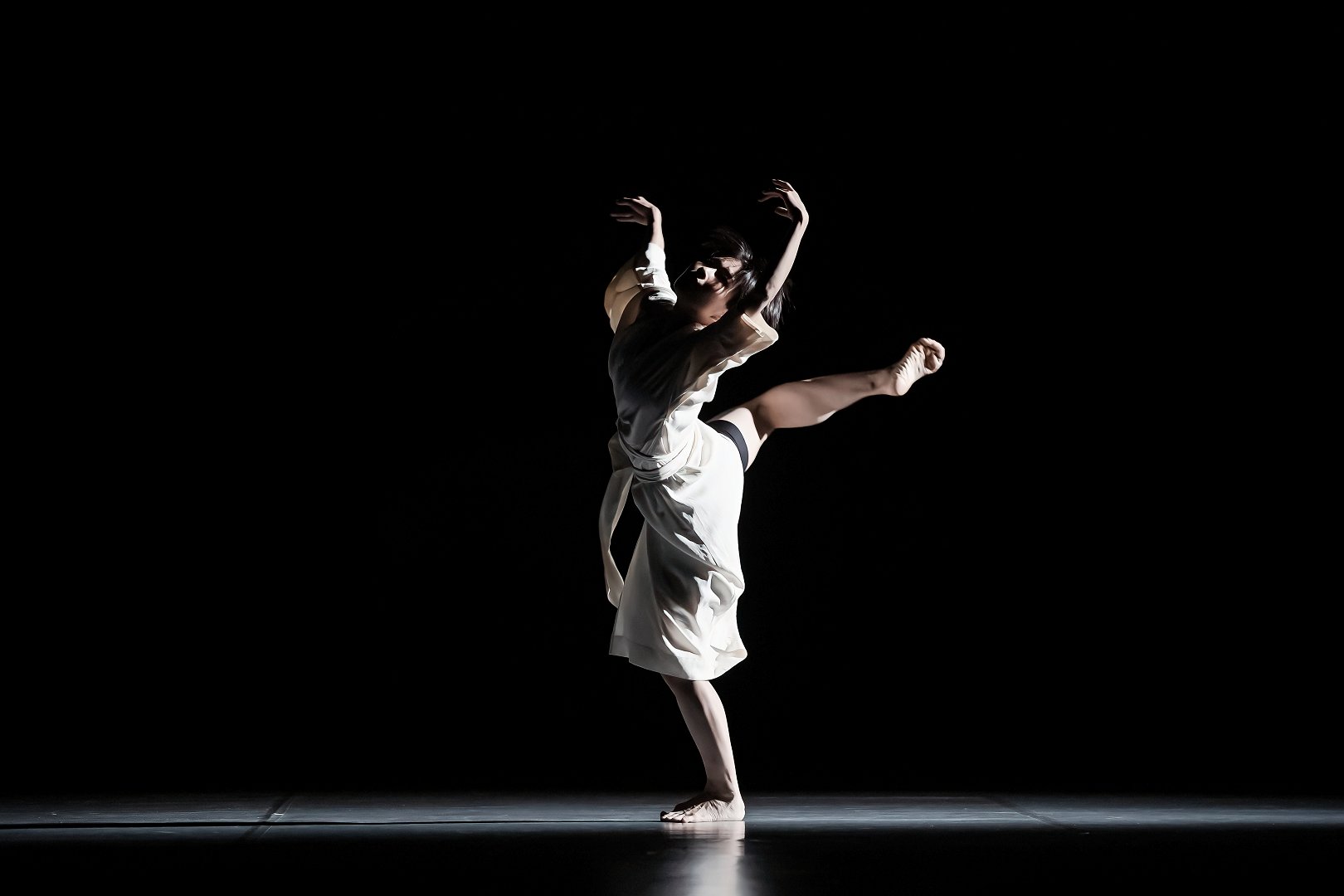
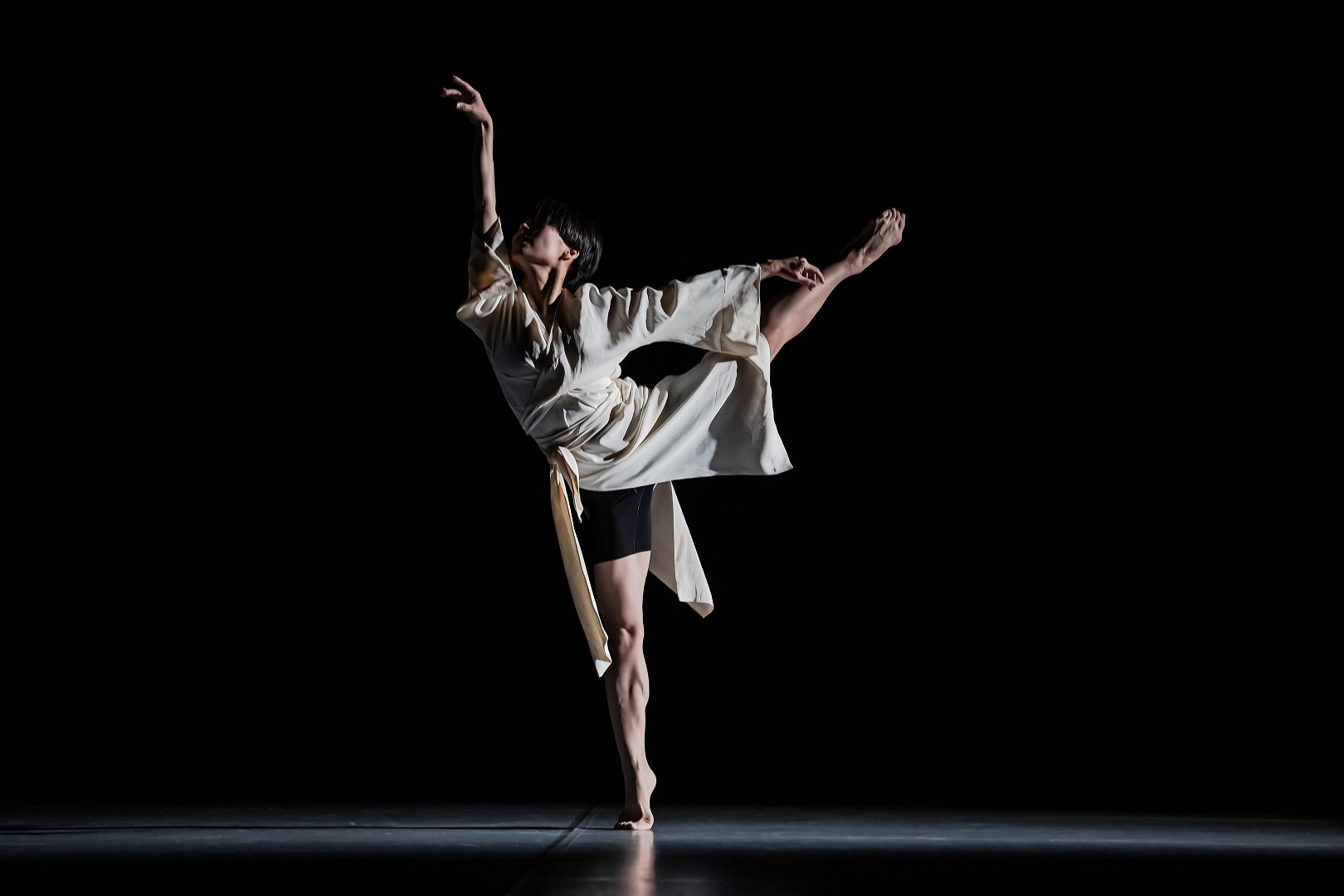
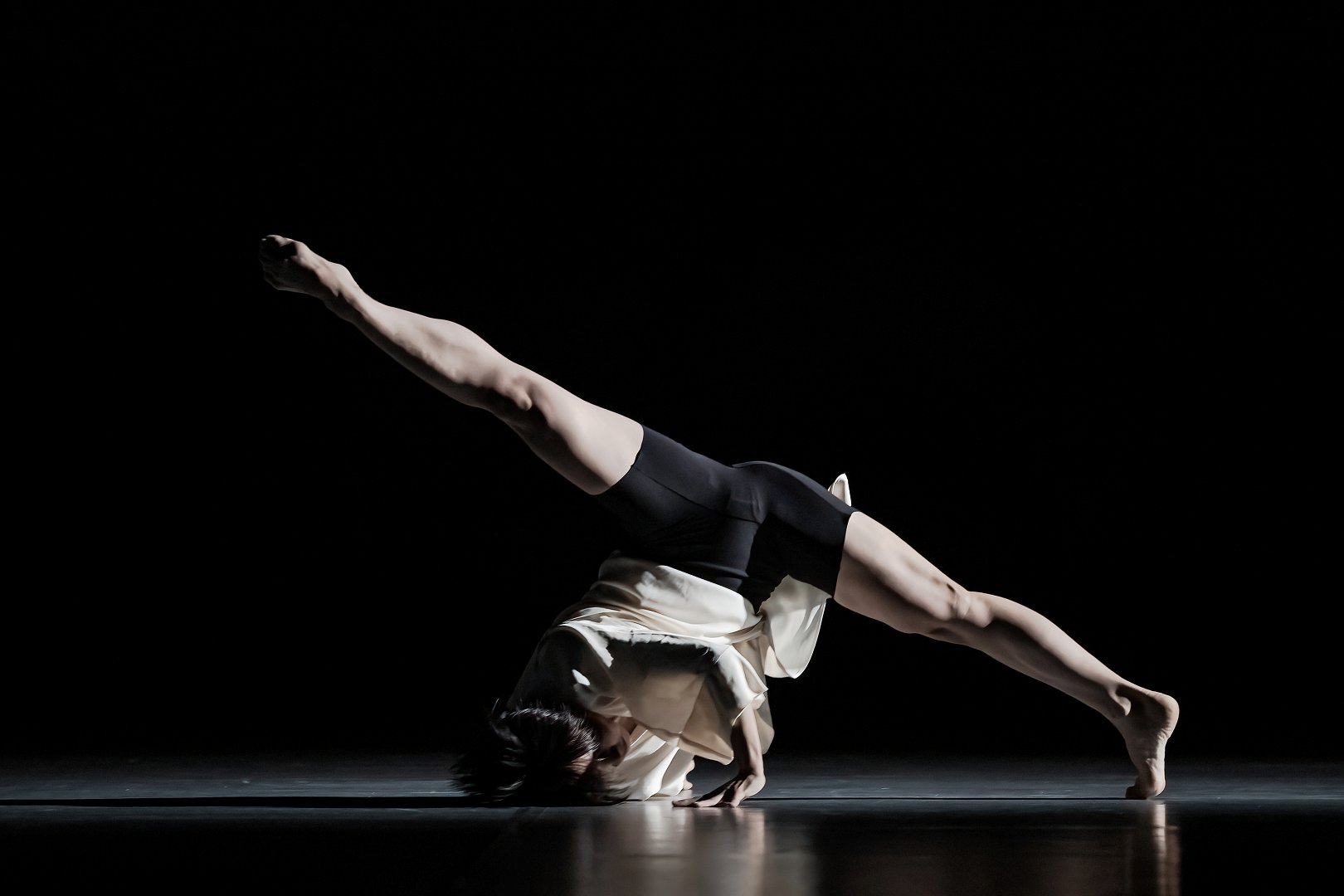
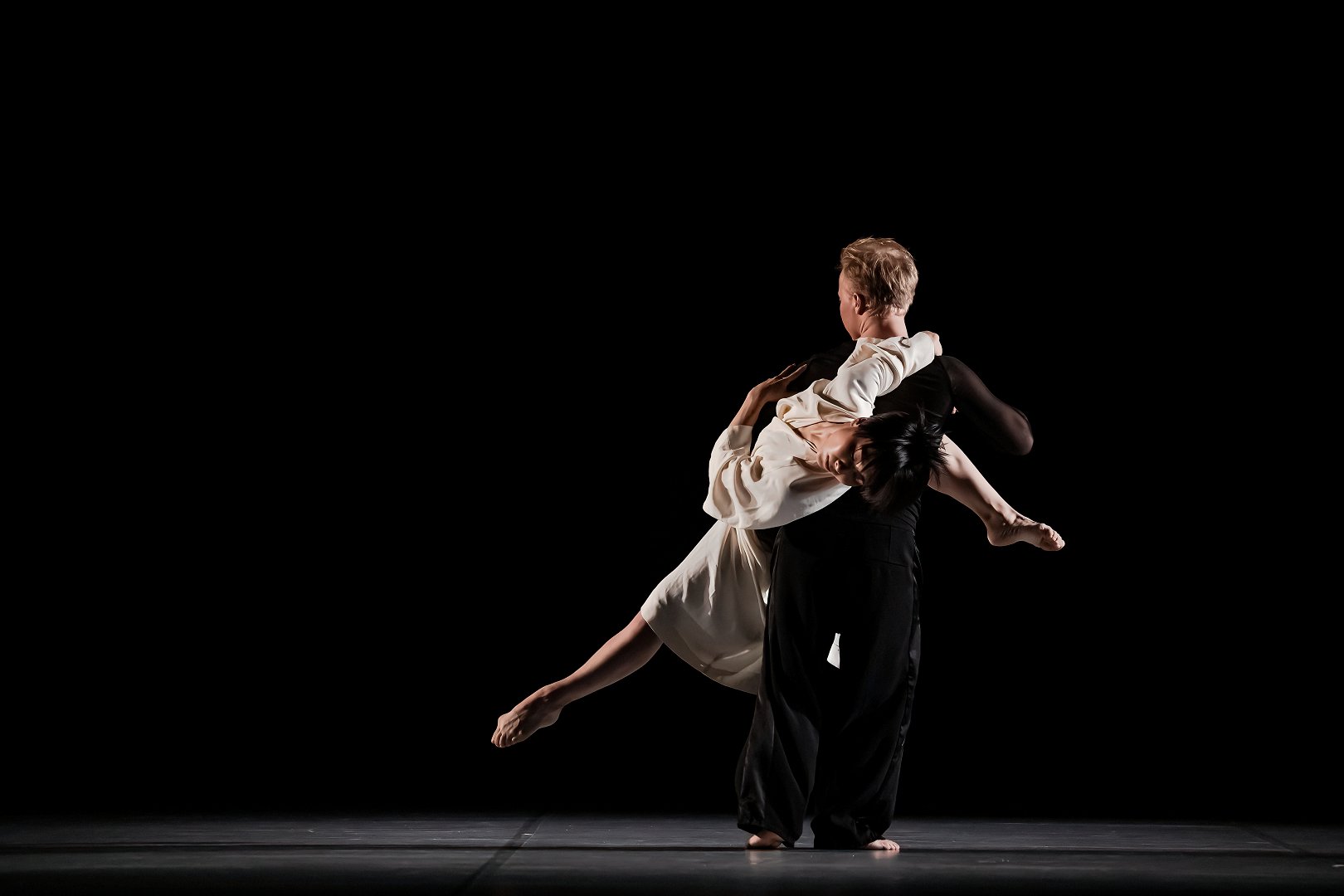
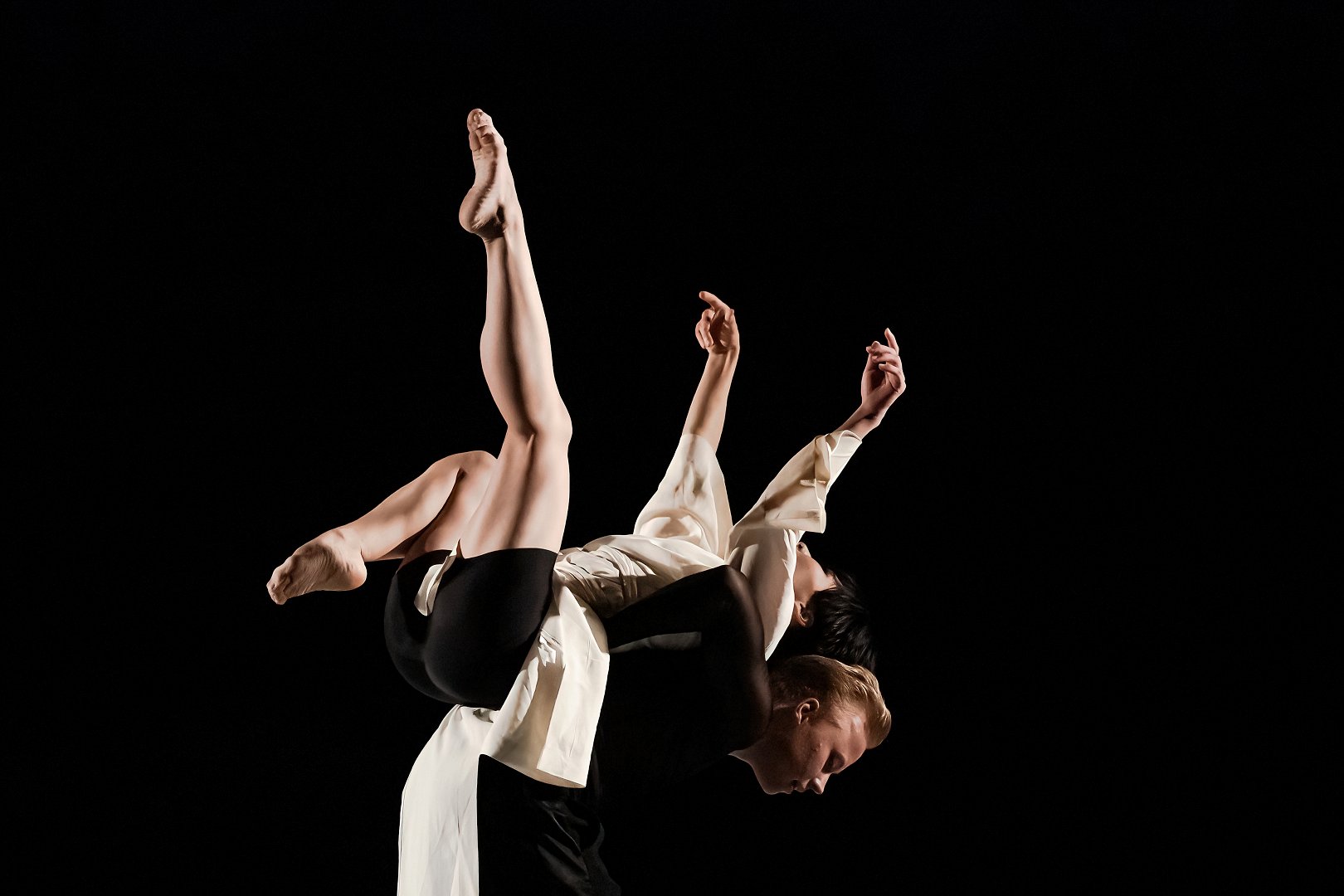
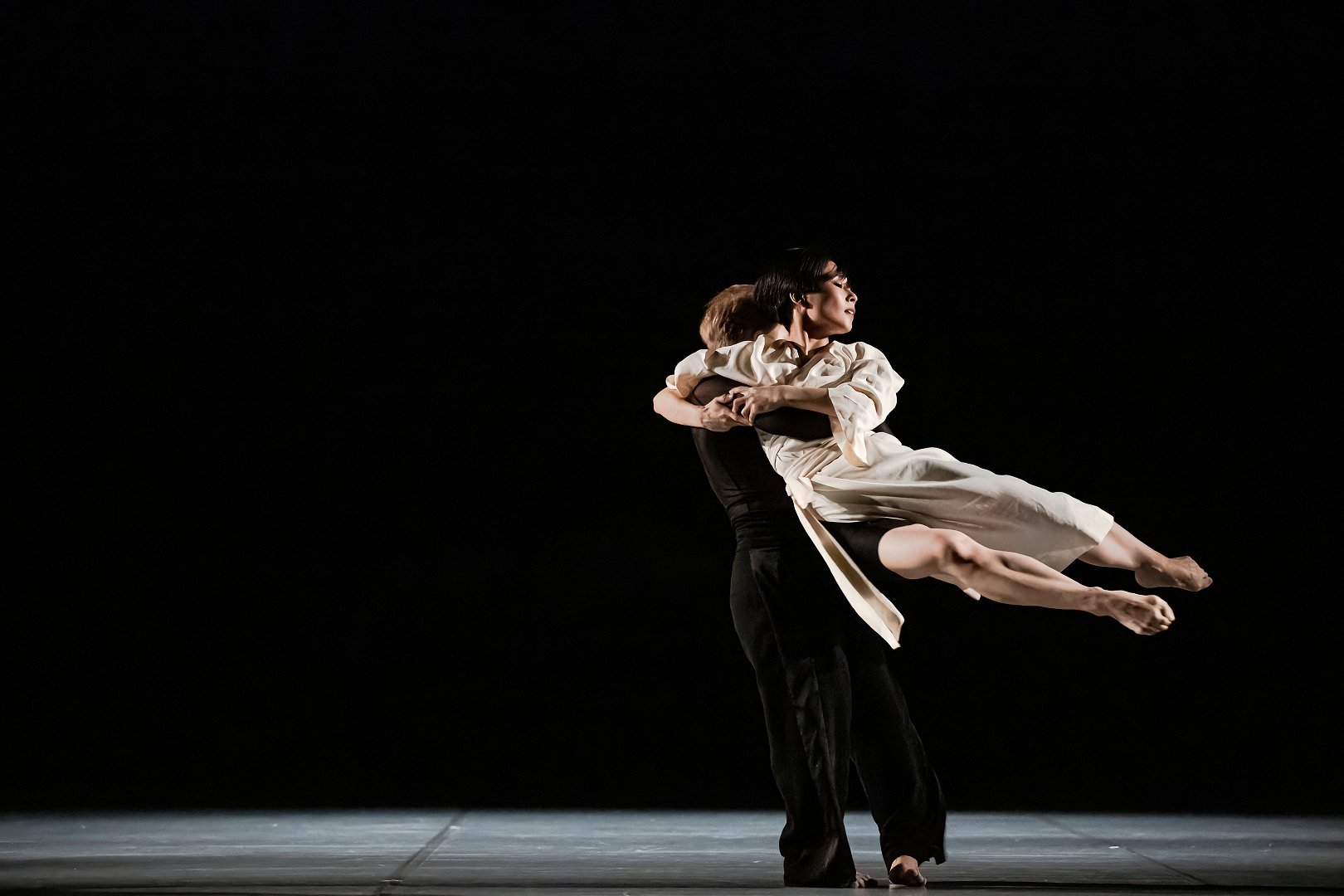
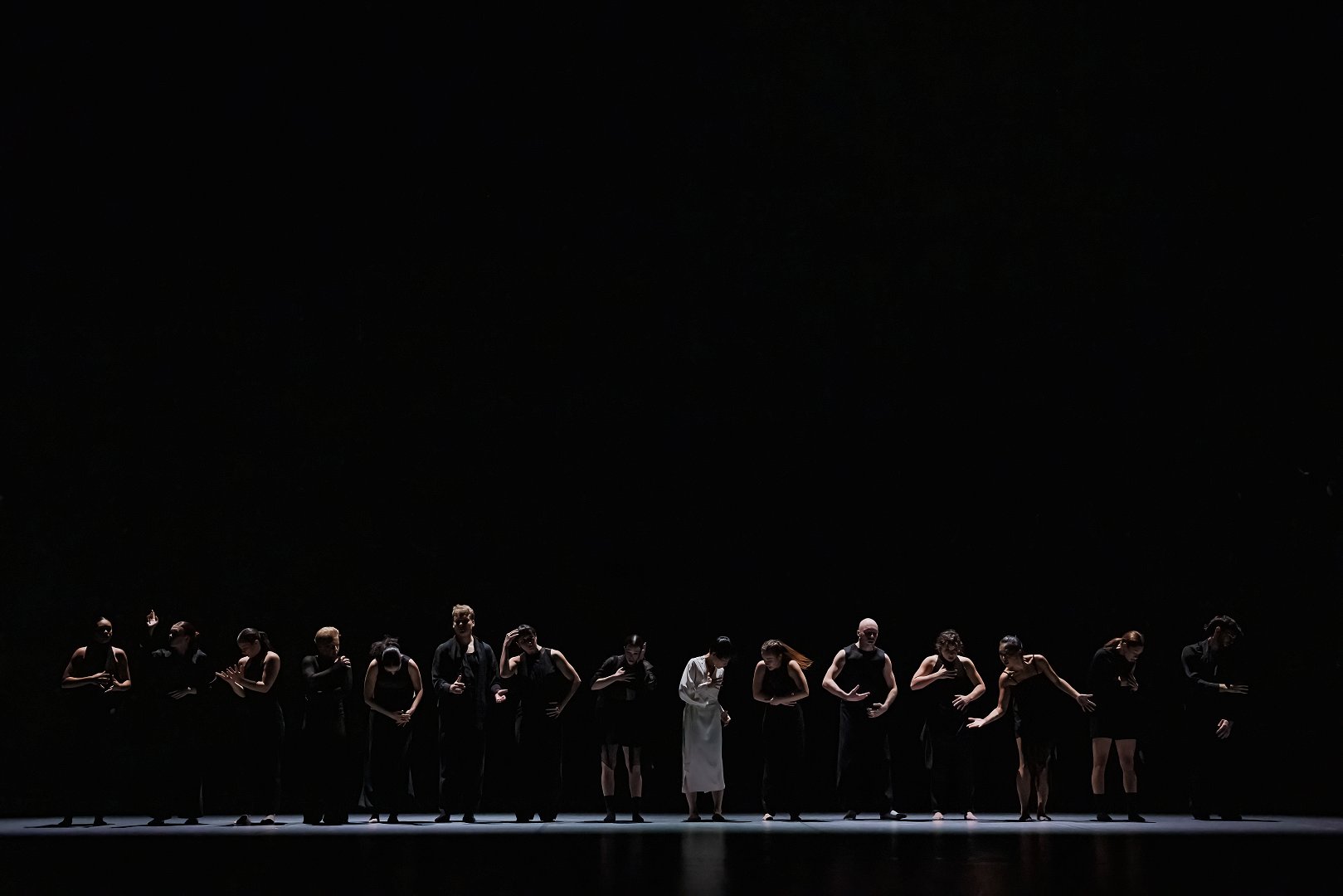
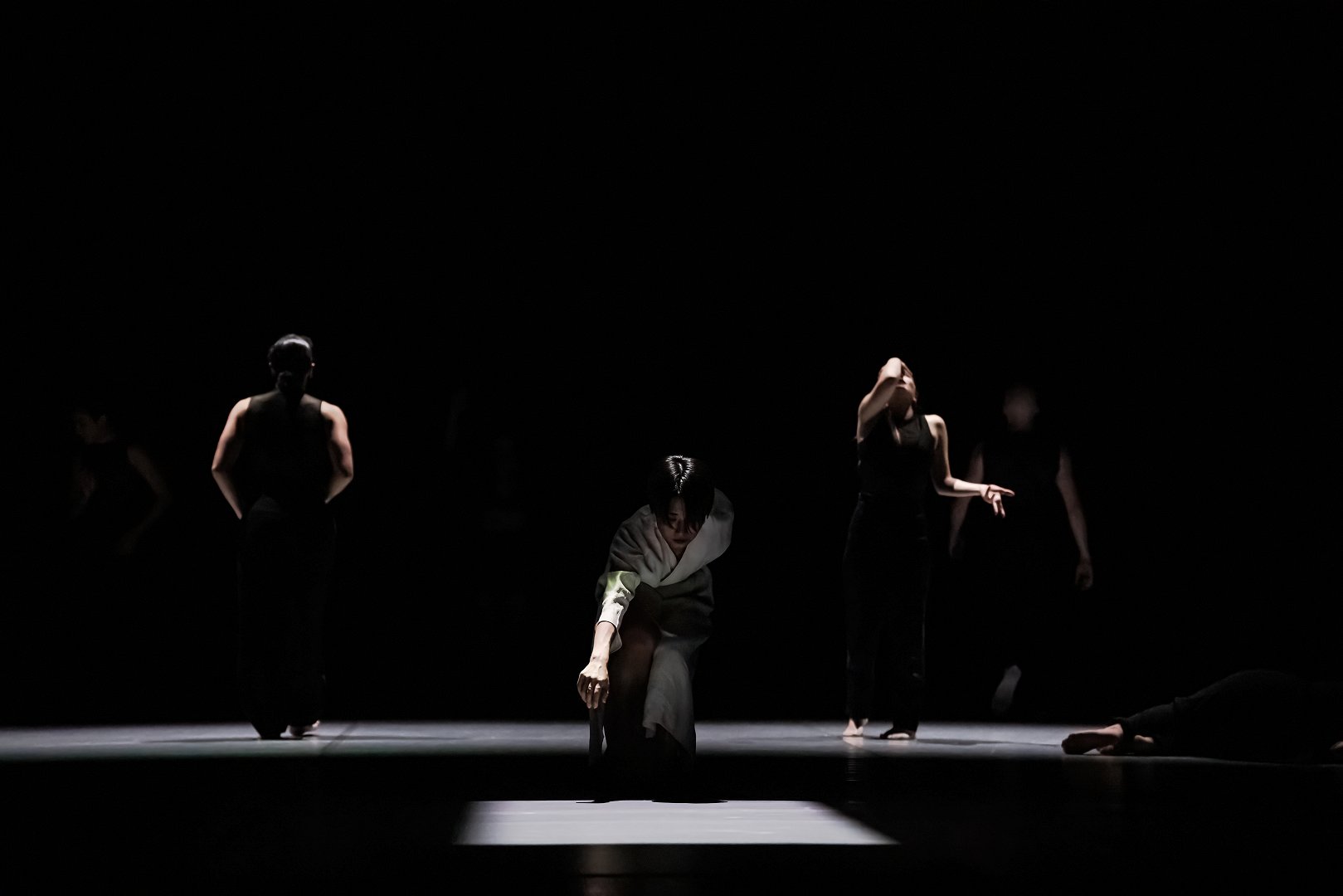
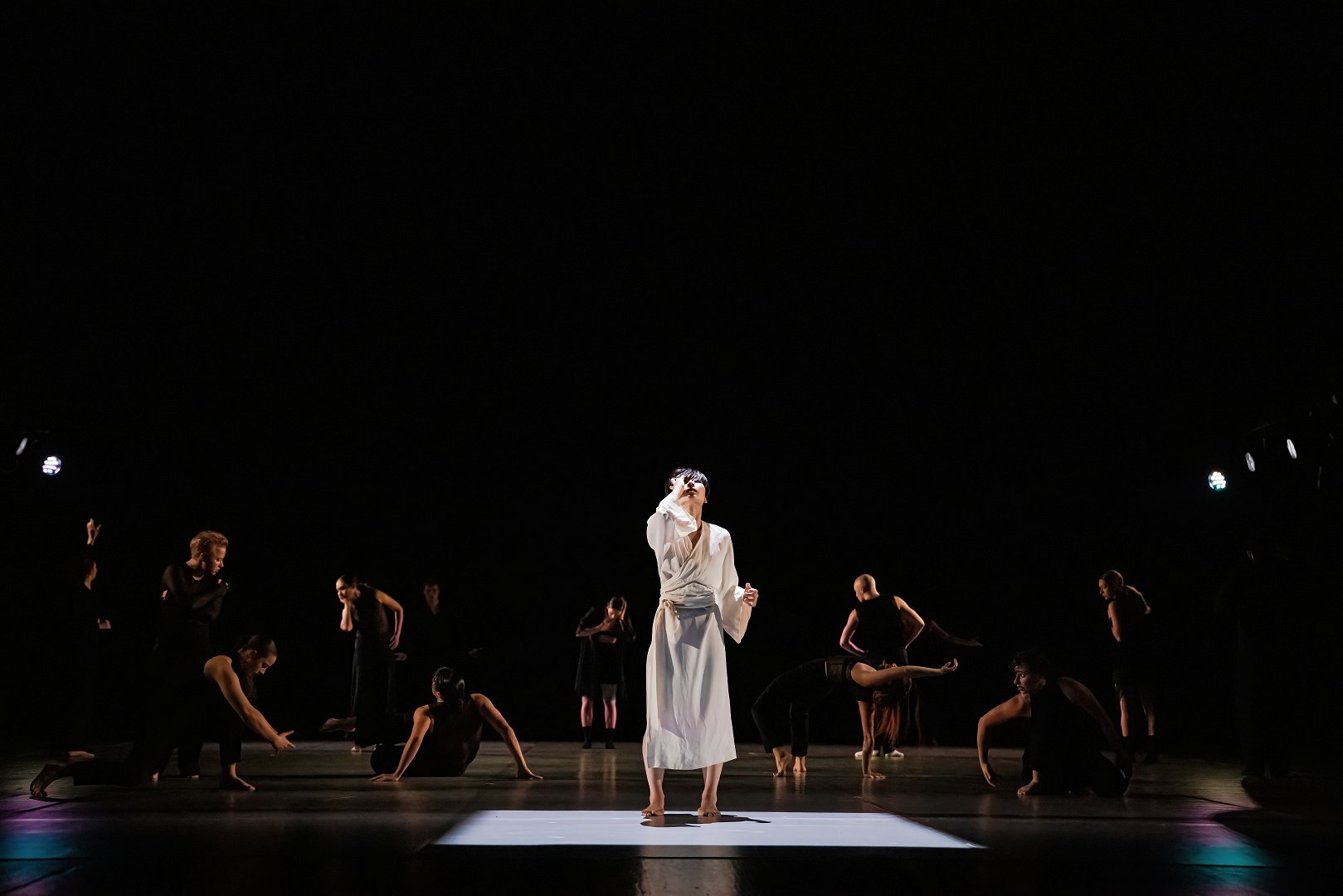
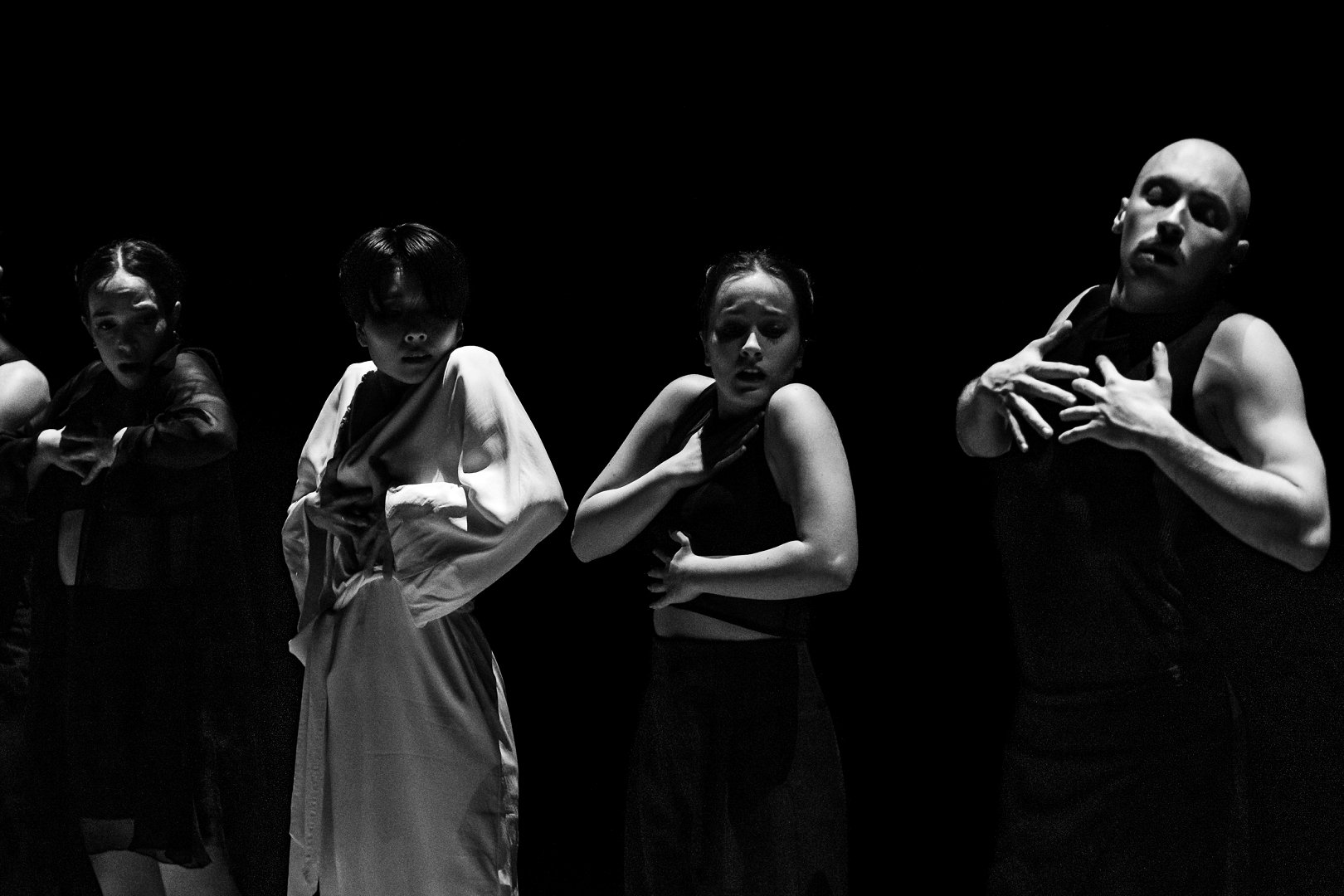
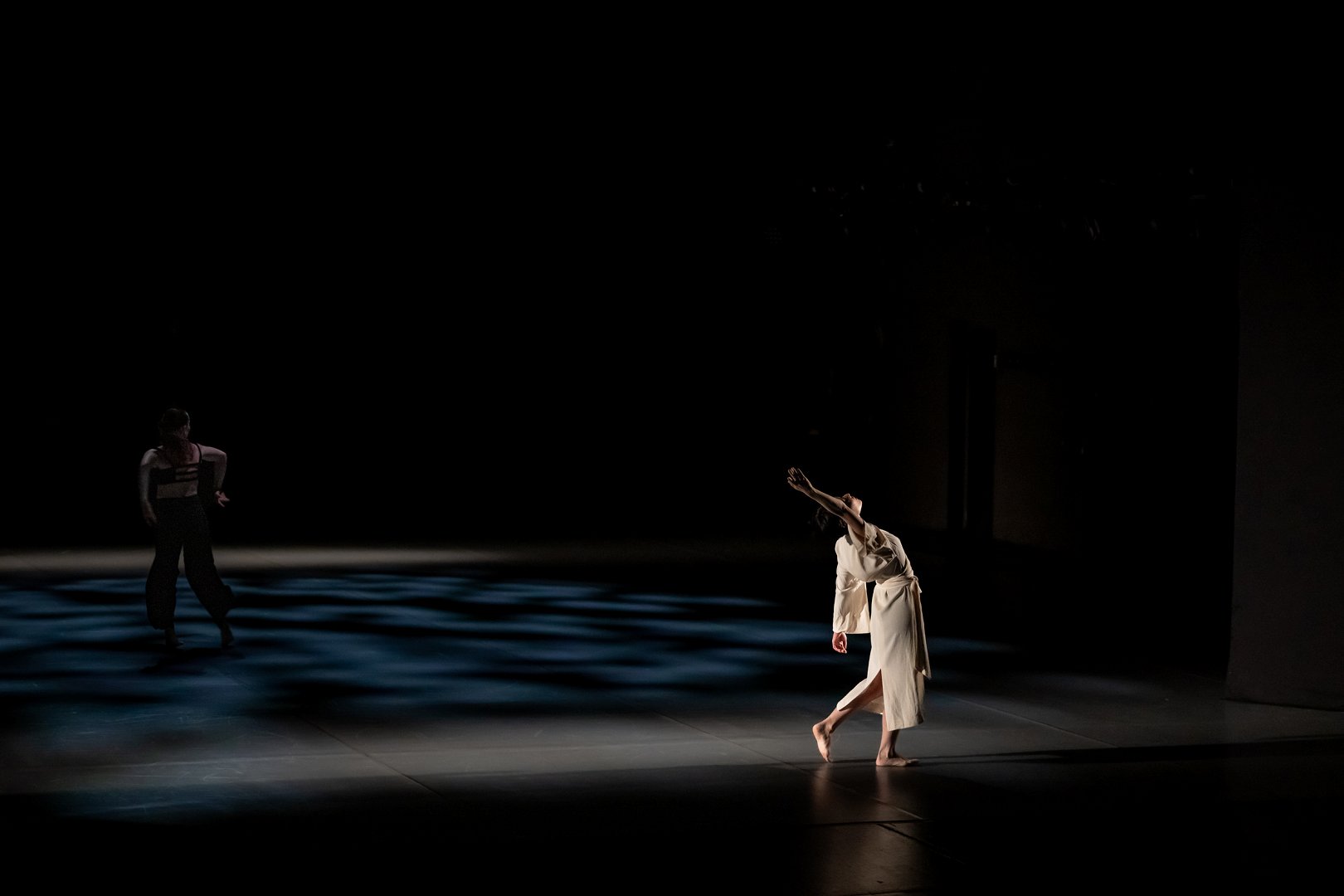
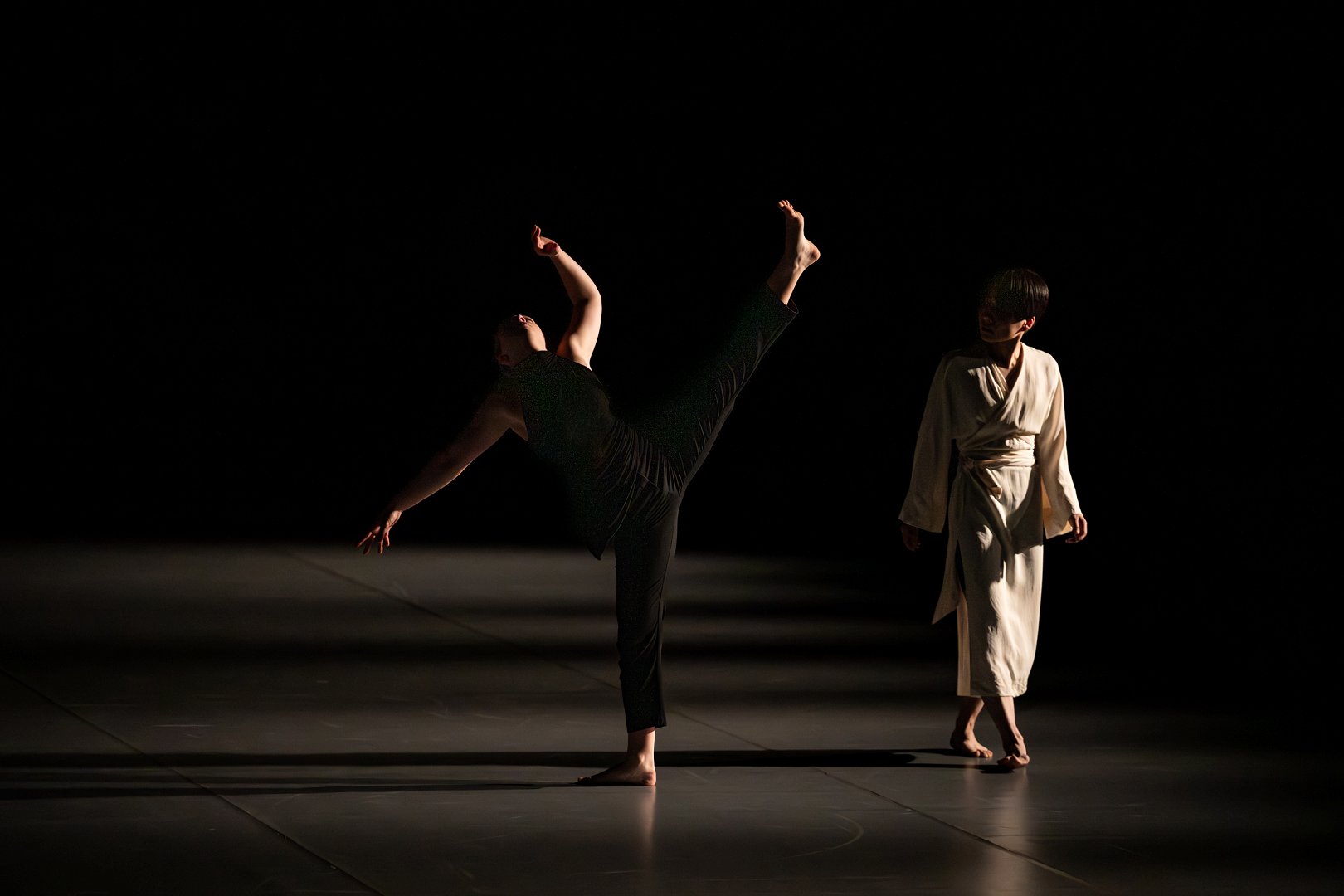
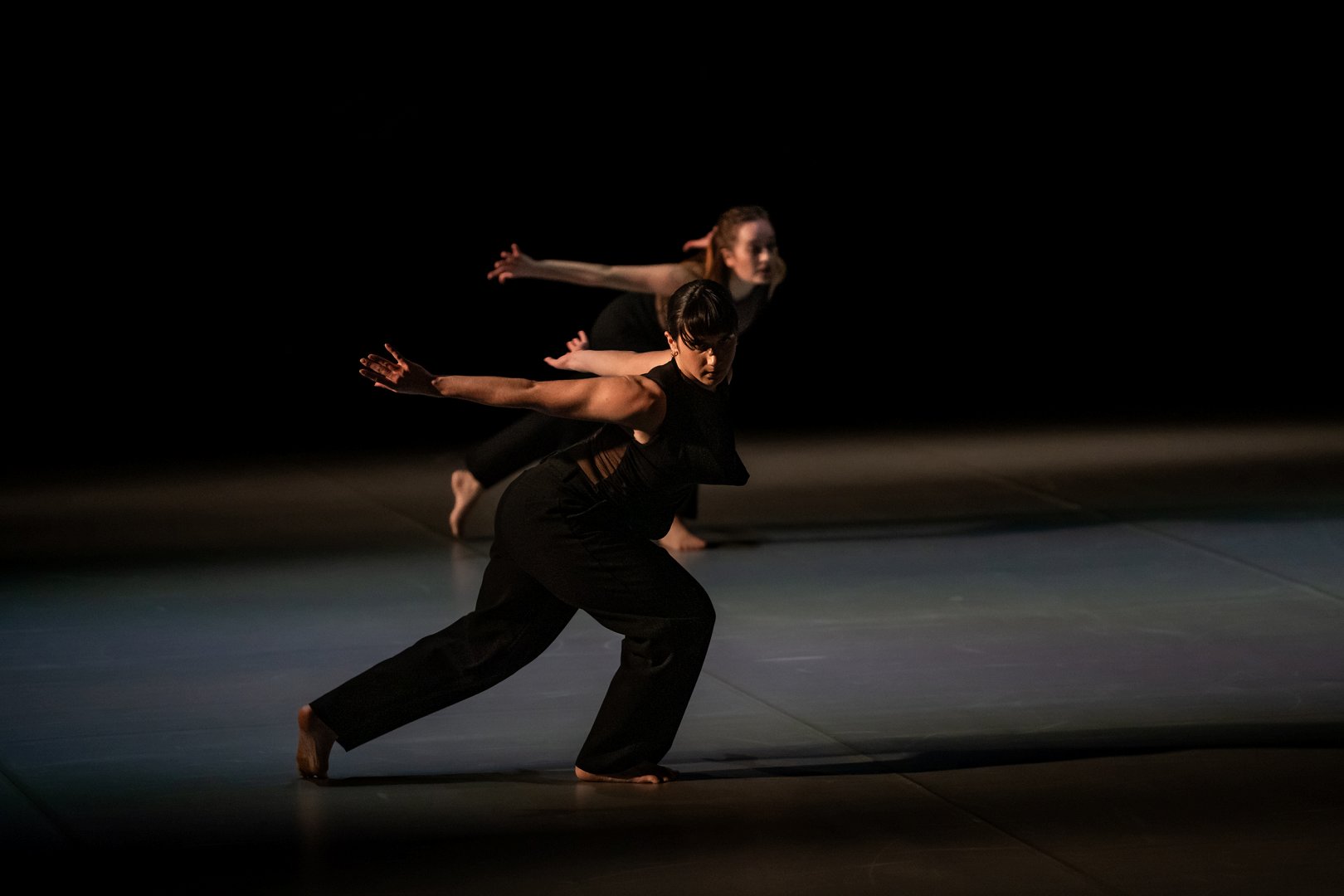
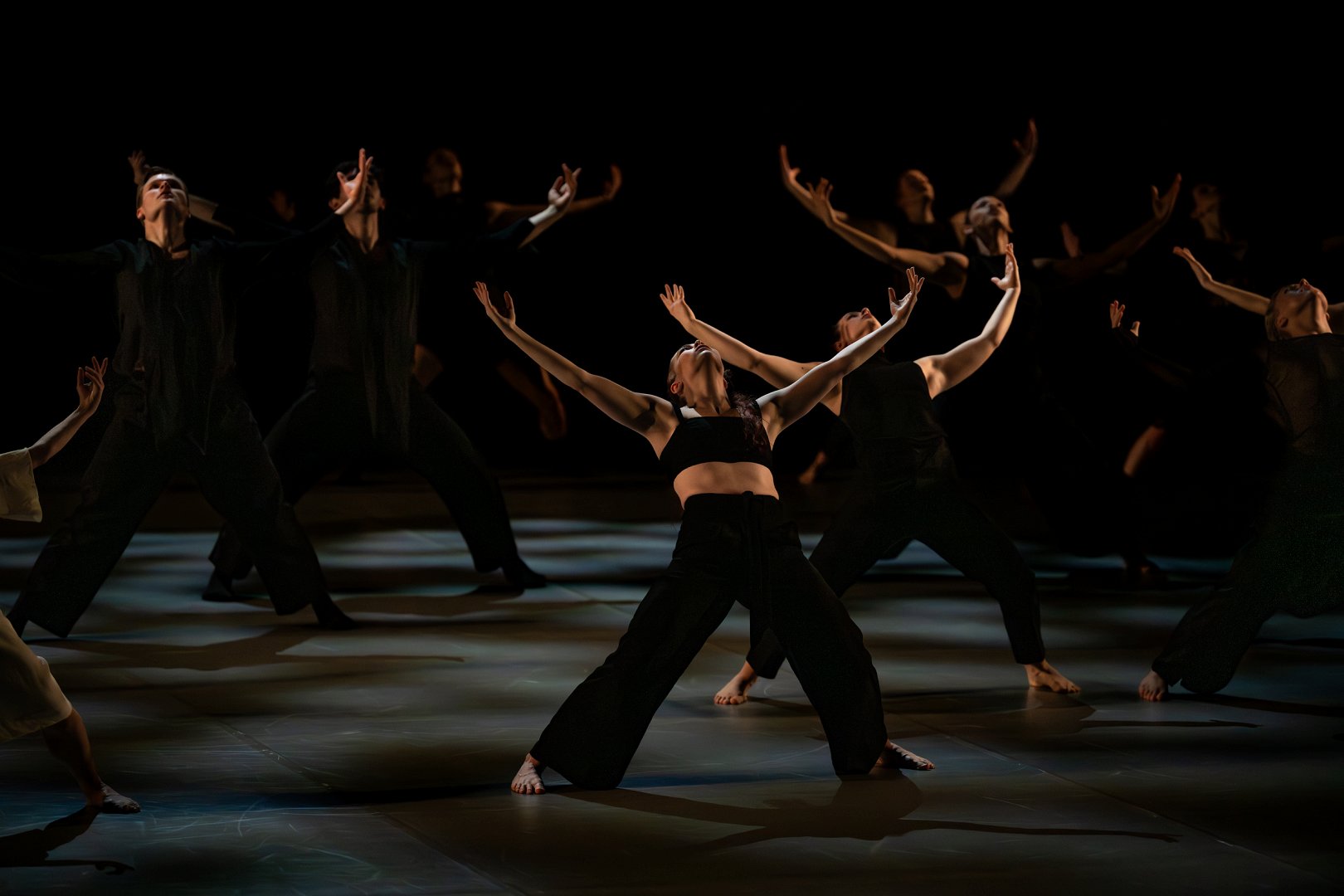
Poetic Body continues the exploration initiated in the production Prometheus, the story of the creator who shaped humans from clay and brought them fire — stolen from the gods on Mount Olympus — fire as a symbol of consciousness, creativity, and inner light. Prometheus was aided in humanizing humankind by Apollo, the god of art and light, who showed him the path toward ennobling humans through music, dance, and drama, along with many other things previously reserved only for the Olympian gods.
While Prometheus focused on the act of giving fire to humankind and the rebellion against divine authority, Poetic Body explores the consequences of this gift for humanity — particularly on the levels of art, culture, and inner development.
Only with Prometheus’s gifts did humans truly become human, a poetic body, transcending their primal nature and becoming aware of themselves as creative and sentient beings. Without poetics, consciousness, spirit, art, and knowledge, a human is merely a bare body without life.
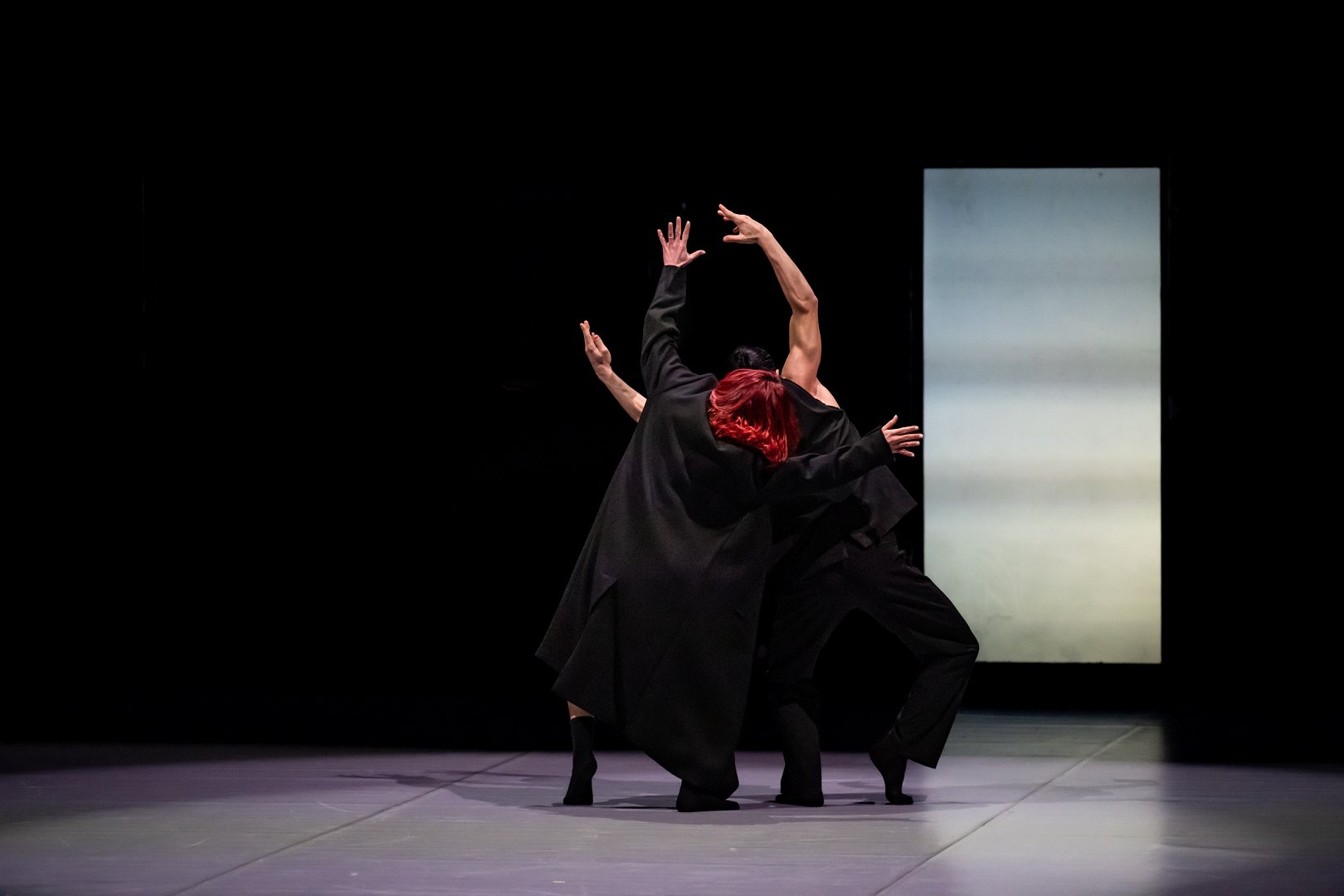
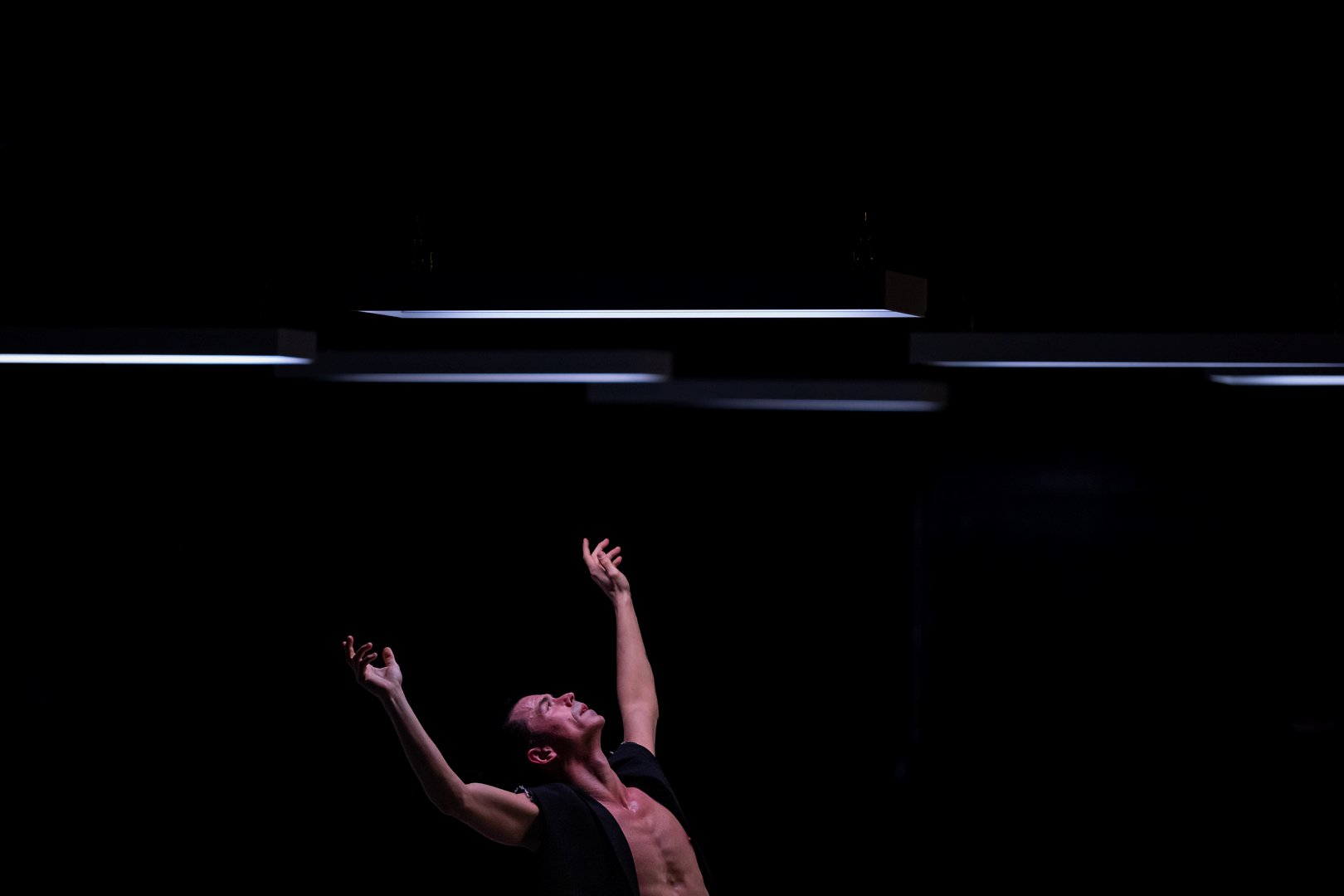
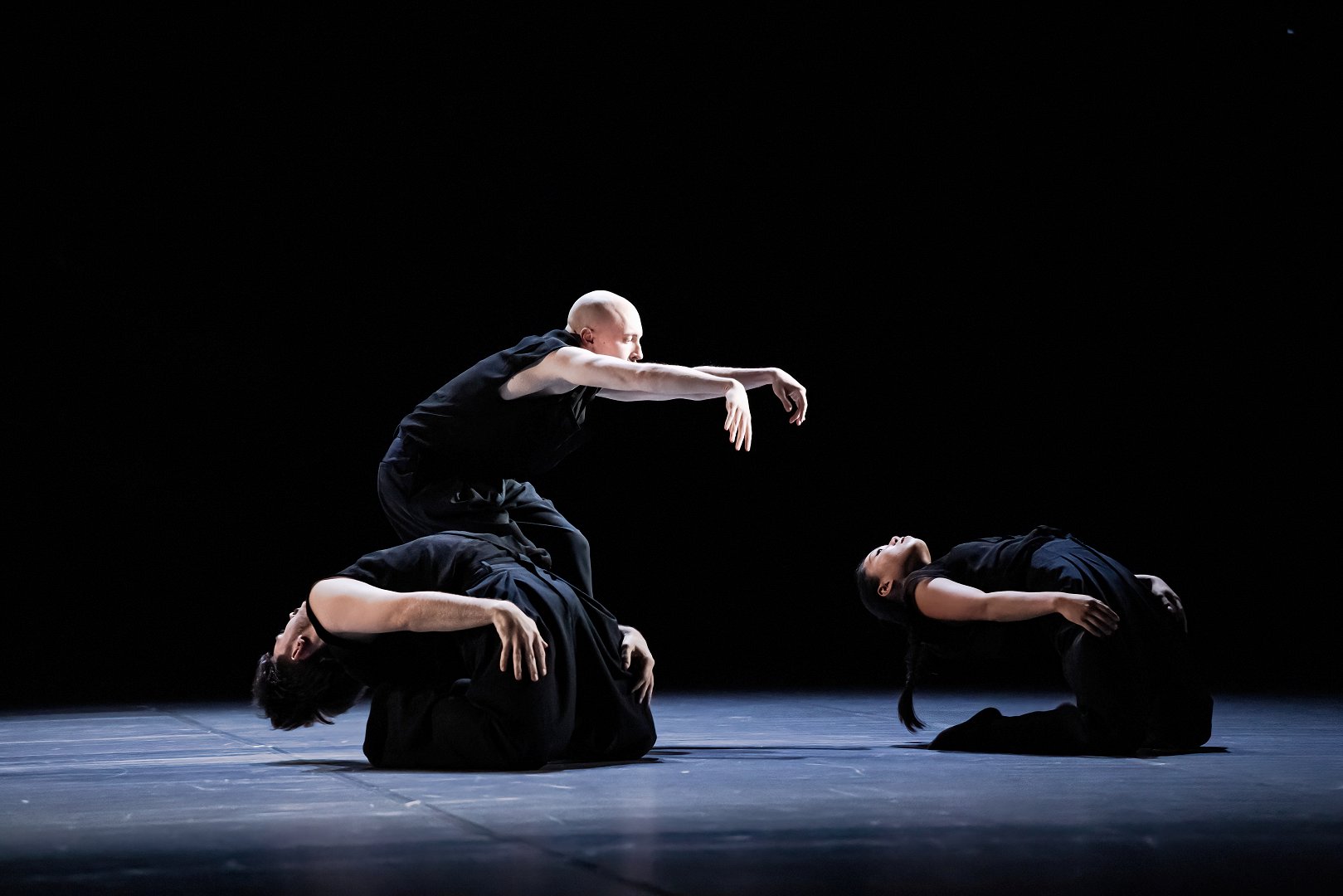
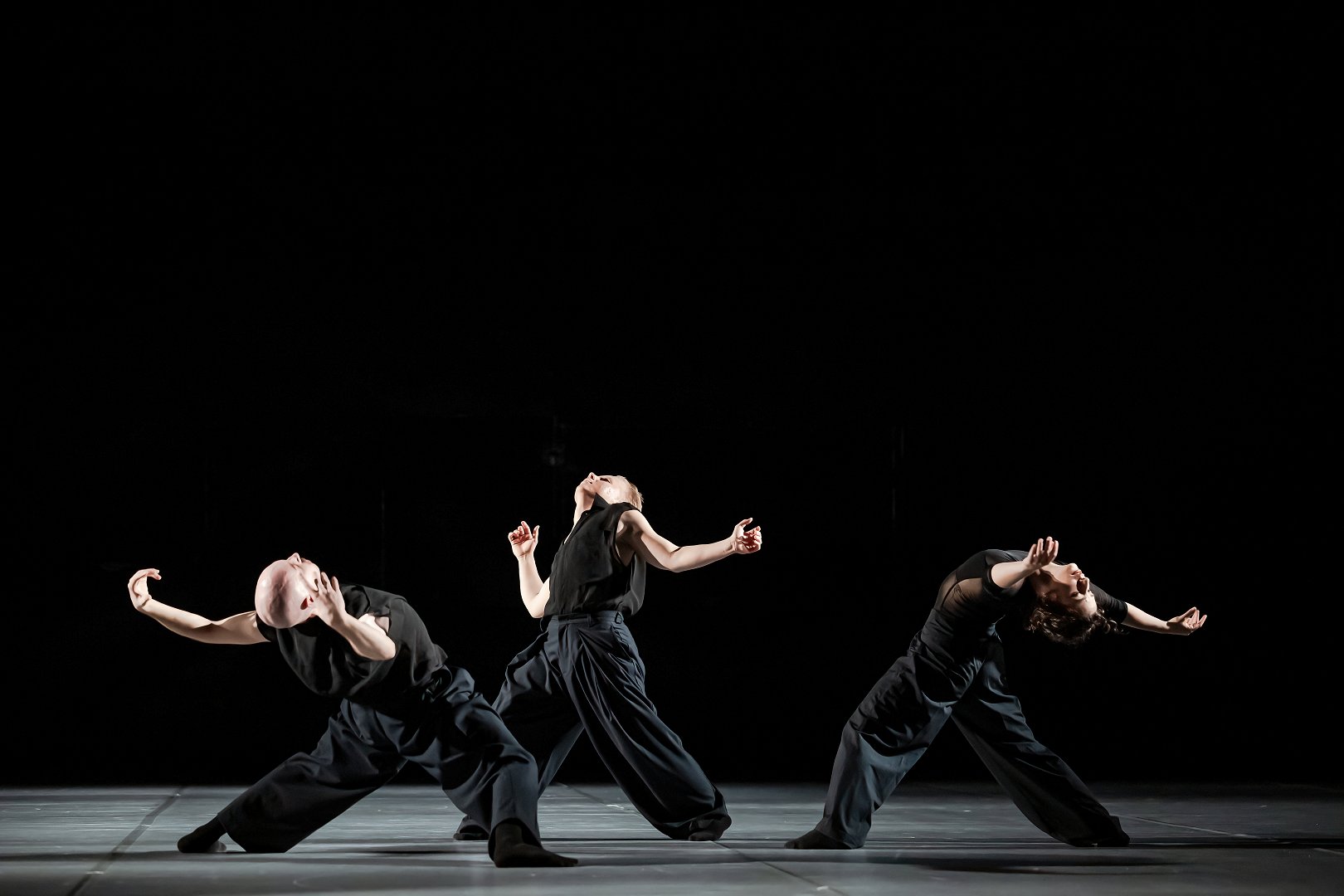
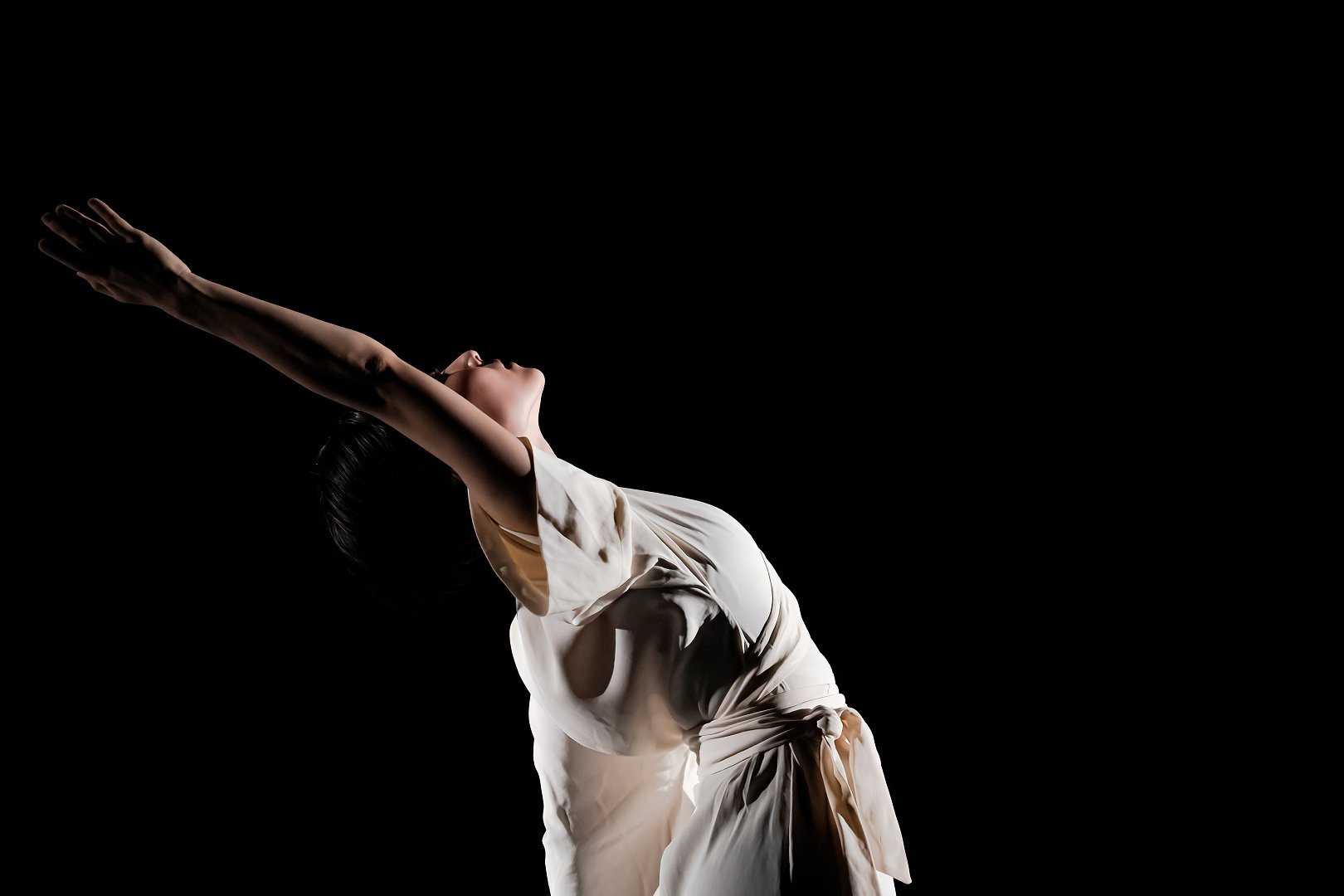
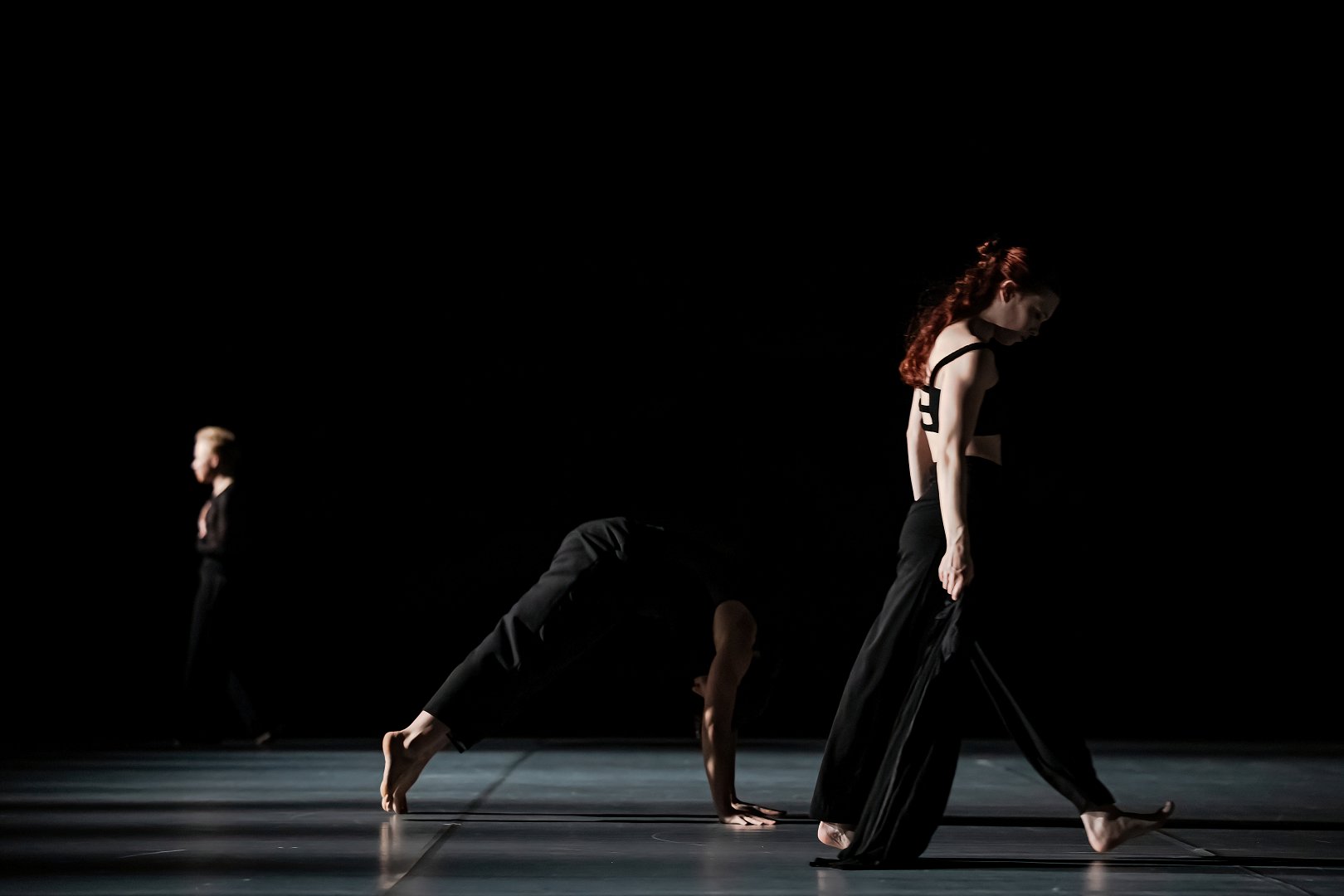
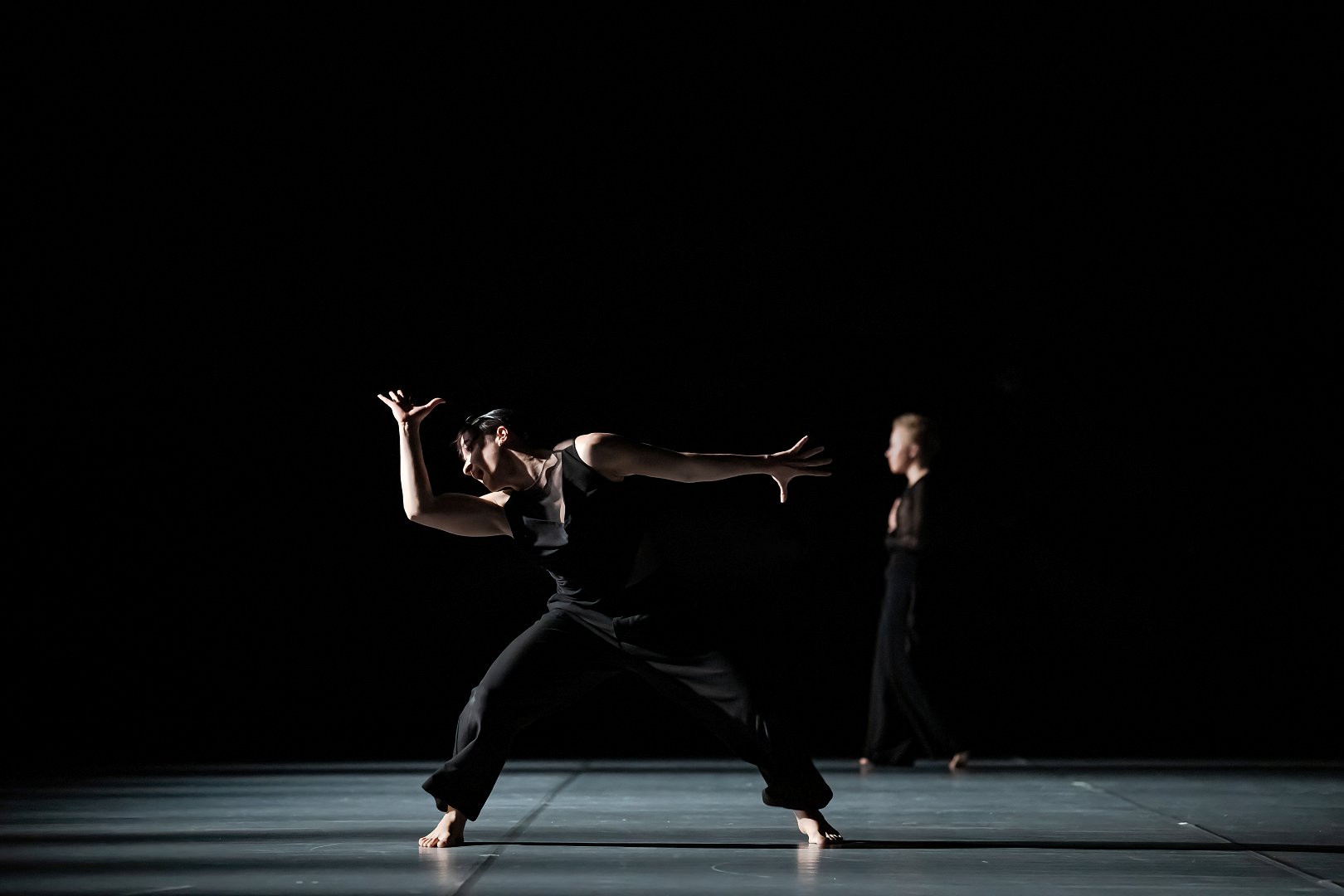
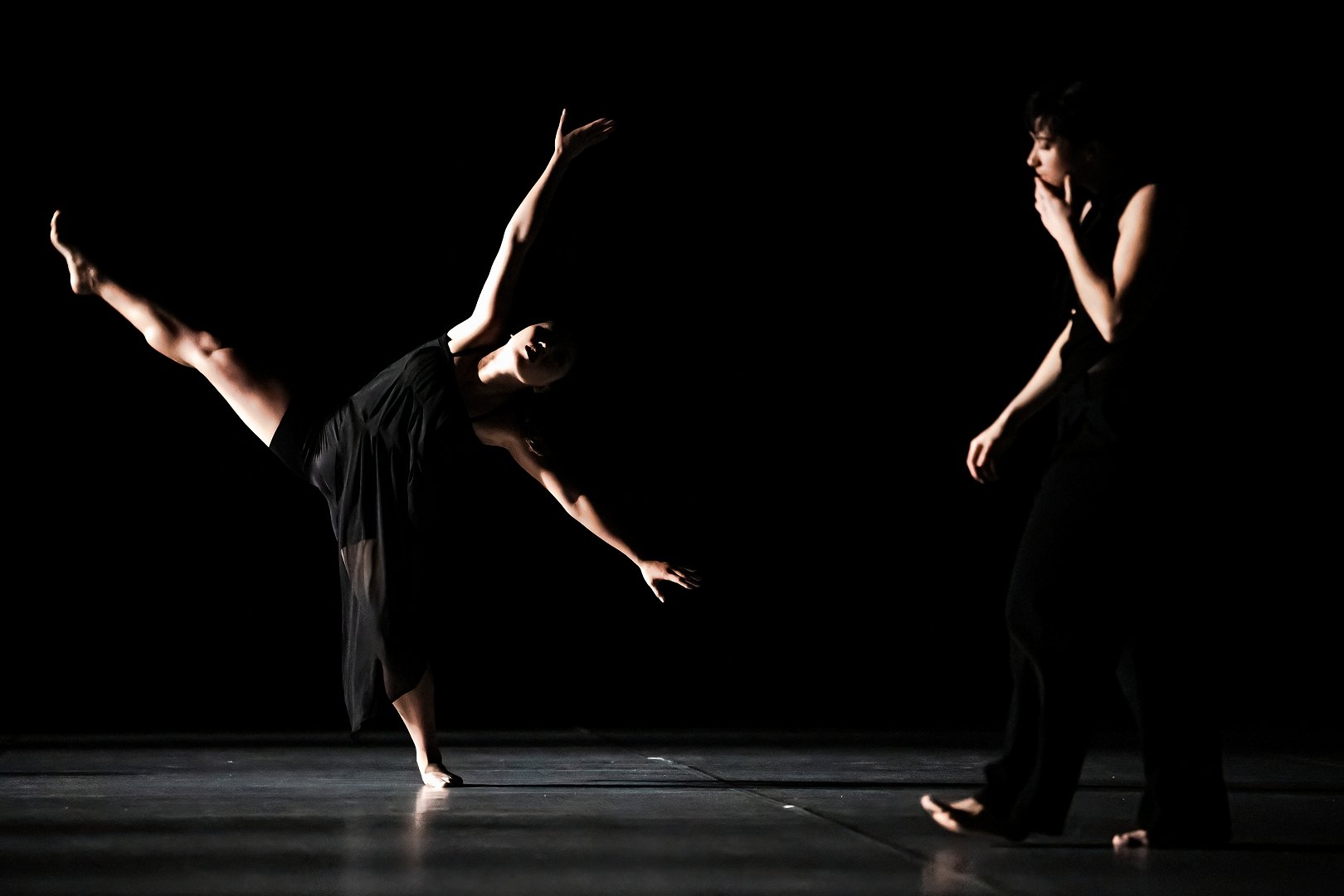
Poetic Body seeks the physical expression of poetic thought, revealed in the way movement emerges, in bodies that feel, think, and remember, and once again delves into the archetypal dimensions of human existence and spiritual evolution.
A body that thinks, feels, and speaks in the language of dance becomes a vessel of ancient memory and, at the same time, a contemporary interpretation of humanity’s search for meaning and the beauty of existence, guided by the fundamental question: What makes us truly human?
Poetic Body is a dialogue between different choreographic aesthetics. Designed as a triptych, MN Dance Company collaborates with two guest choreographers, each with their own unique poetics and choreographic voice. Together, they create a multilayered dance world intertwining myth, body, and movement, committed to seeking depth, artistic integrity, and dance poetry.
Through dance as the poetry of the body, they explore the boundaries between body and spirit, between inner worlds and collective mythology.
“Time and again, dance enchants us — especially in the creative process. Our bodies offer us so many possibilities and solutions.”
— Michal Rynia & Nastja Bremec Rynia
RTVSLO KULTURA: V Novi Gorici premiera plesne predstave Poetično telo
RTVSLO.SI: Poetično telo: Kaj imata skupnega Prometej in Josef K.?
Primorske novice: Je človek brez družbe le golo telo?
Primorski dnevnik: Brezmejno telo sklenili poetično
Radio Robin: Plesni triptih Poetično telo raziskuje preplet mita, telesa in giba
Slovenske novice: Zaključek štiri leta trajajočega projekta: učlovečenje skozi umetnost
Primorske novice: Poetično telo kot dialog med različnimi estetikami
Poetic Body, a dance triptych by Luca Signoretti, Maša Kagao Knez, and the Nova Gorica based choreographic duo Nastja Bremec Rynia and Michal Rynia, performed by a 17-member international ensemble and produced by MN Dance Company, received well-deserved standing ovations at Tuesday’s premiere at the Slovenian National Theatre Nova Gorica.
The triptych, created by MN Dance Company in co-production with Zavod GO! 2025 and SNG Nova Gorica, concludes the four-year dance project Borderless Body, which during this period staged eleven full-length dance performances on various stages, culminating this summer with a site-specific highlight at Cerje. Among this year’s productions within the choreographic vision of Nastja Bremec Rynia and Michal Rynia was also Prometheus, whose distinctive continuation—once again under the dramaturgical direction of Ana Kržišnik Blažica—is Poetic Body. For this project, the Nova Gorica choreographic duo invited Italian colleague Luca Signoretti and a renowned figure of the Slovenian contemporary dance scene, Maša Kagao Knez.
Who Are You – Human
Thus emerged three choreographically autonomous parts, connected by the 17-member international ensemble and a shared conceptual thread. In presentations, the creators explained that their exploration of the myth of Prometheus—the creator of humankind from clay, who gifted humans fire stolen from the gods and was cruelly punished for it—continues by examining the consequences of this gift on the level of art, culture, and our inner development.
Only through Prometheus gifts did the human truly become human—a poetic body—transcending primal nature and becoming aware of itself as a creative and feeling being. Without poetics, consciousness, spirit, art, and knowledge, a human is merely a bare body without life.
And so we return to the question posed throughout Borderless Body: when is a human truly human, and what distinguishes us from other beings? What makes us human?
This time, inspiration was also drawn from Kafka’s The Trial, paralleling the guilt humanity might feel for stealing fire from the gods with the guilt of Josef K., who is absurdly accused without knowing of what, and who through the process gradually becomes aware of his own true guilt, his entanglement in bureaucratic machinery, and ultimately his loneliness.
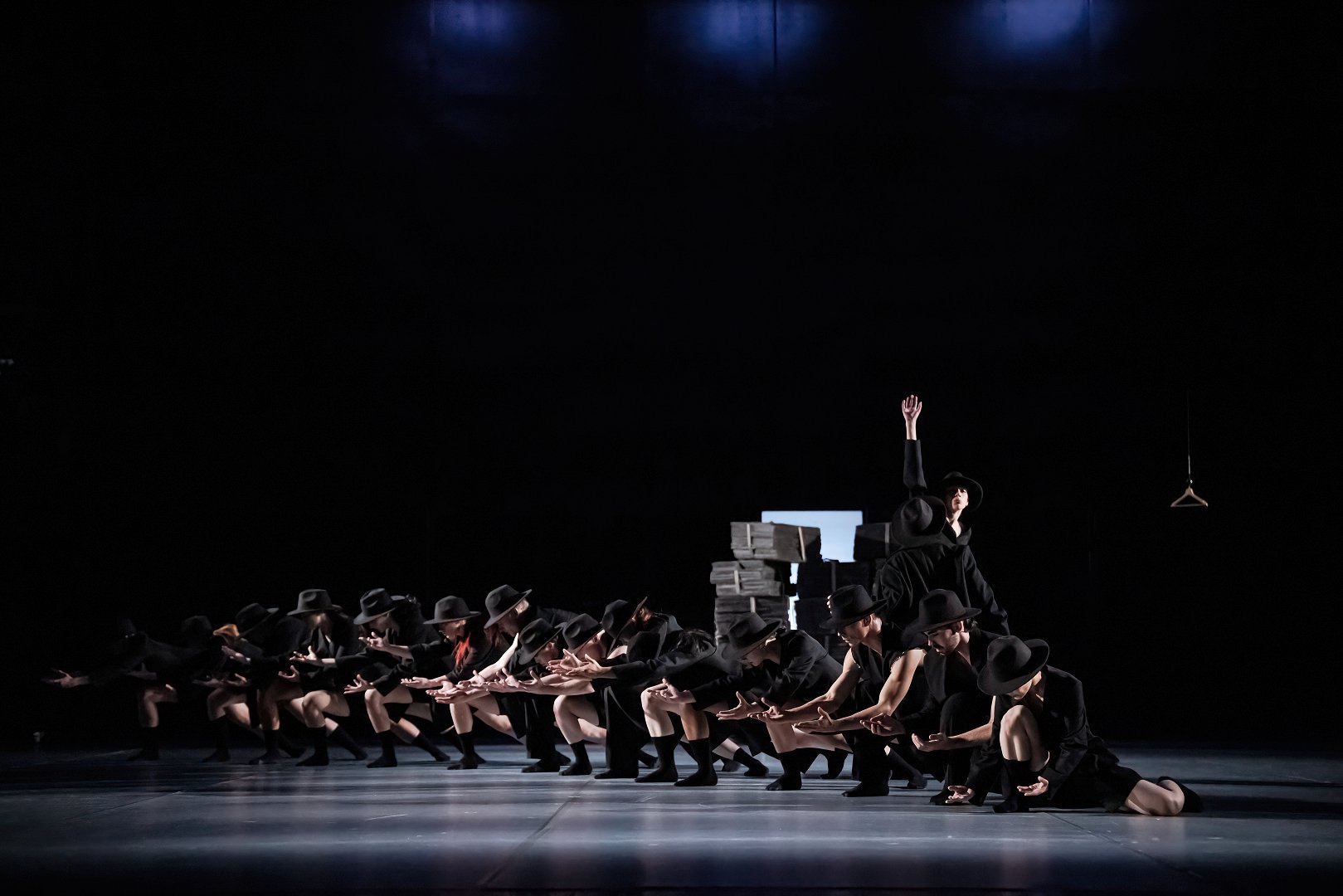
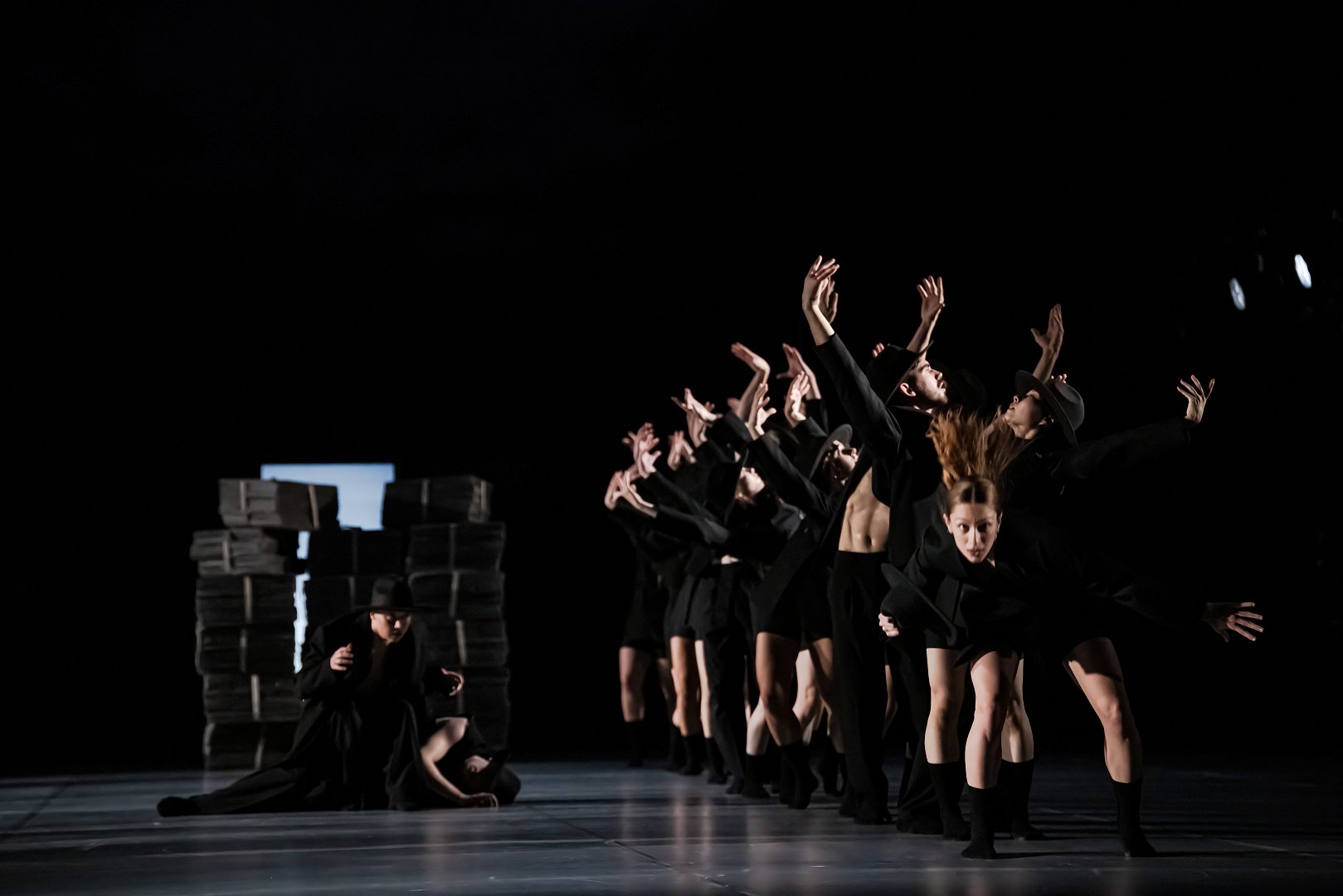
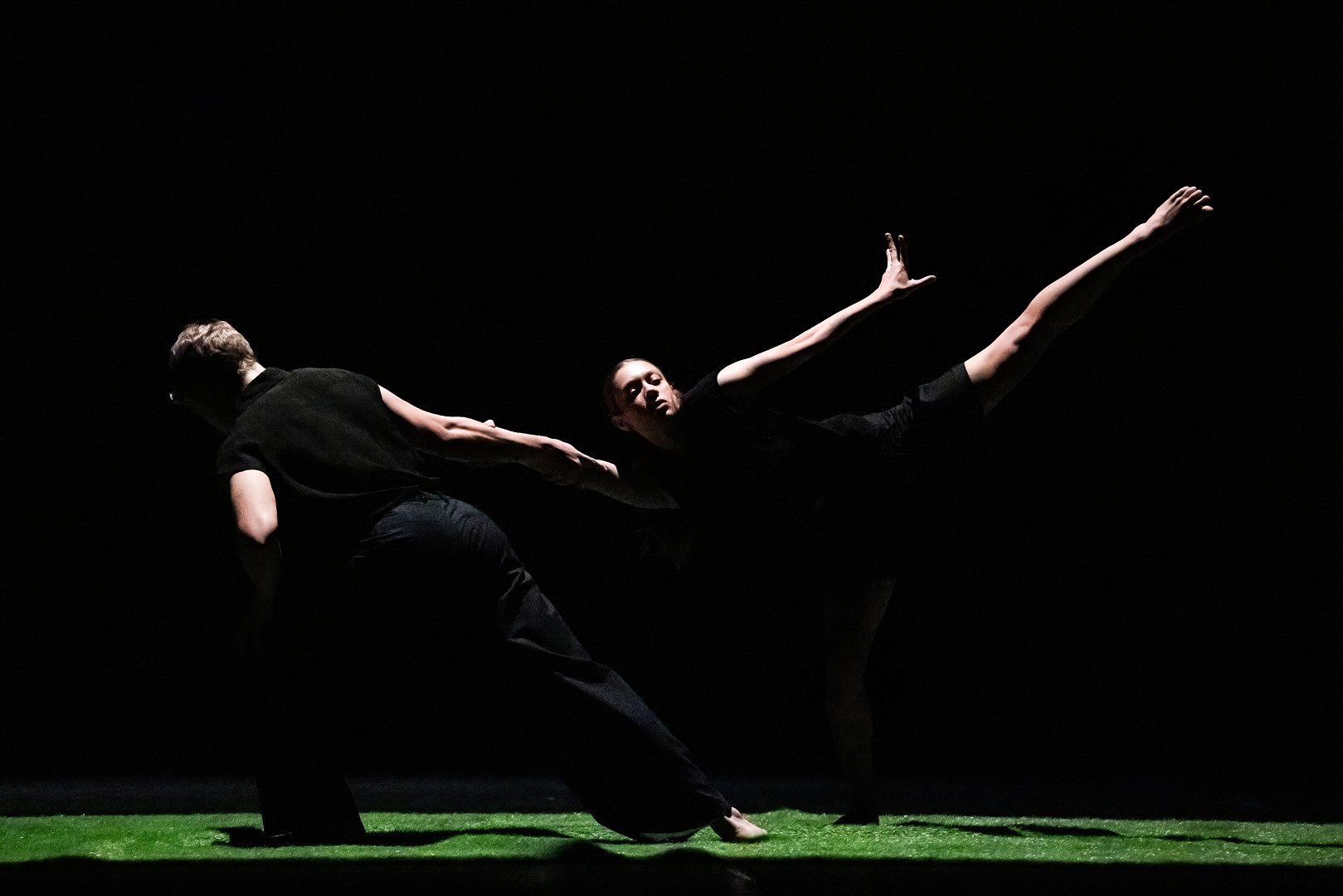
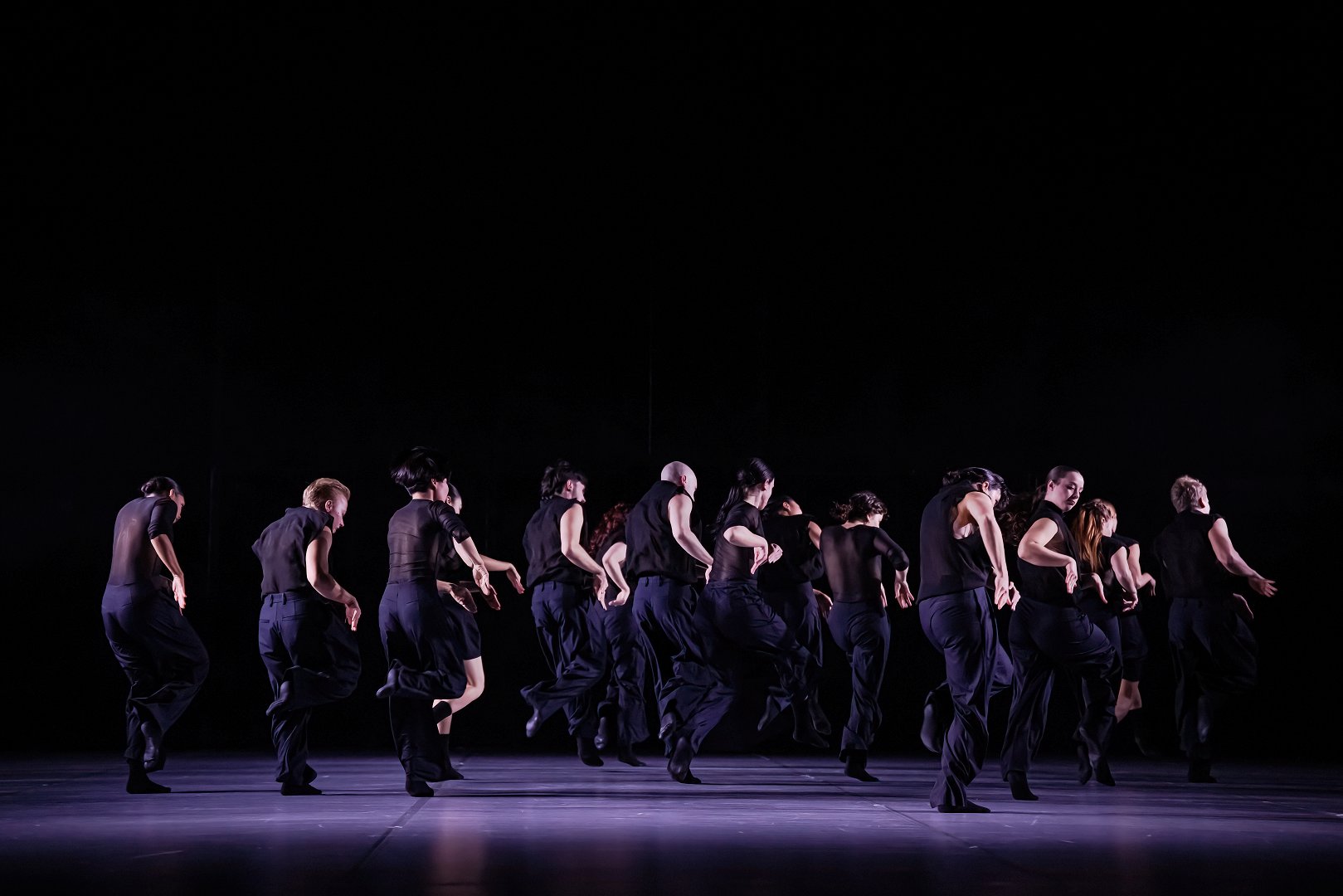
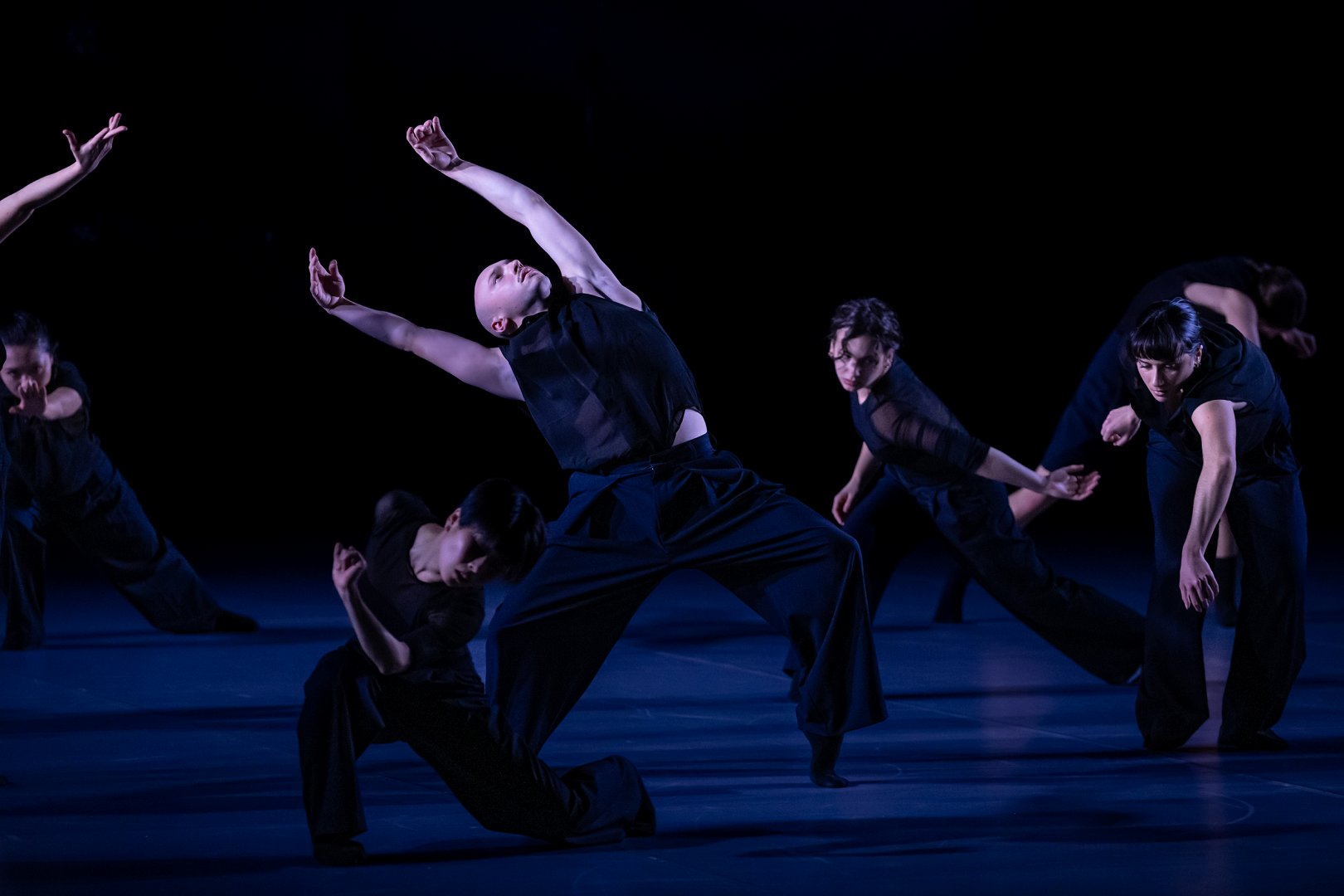
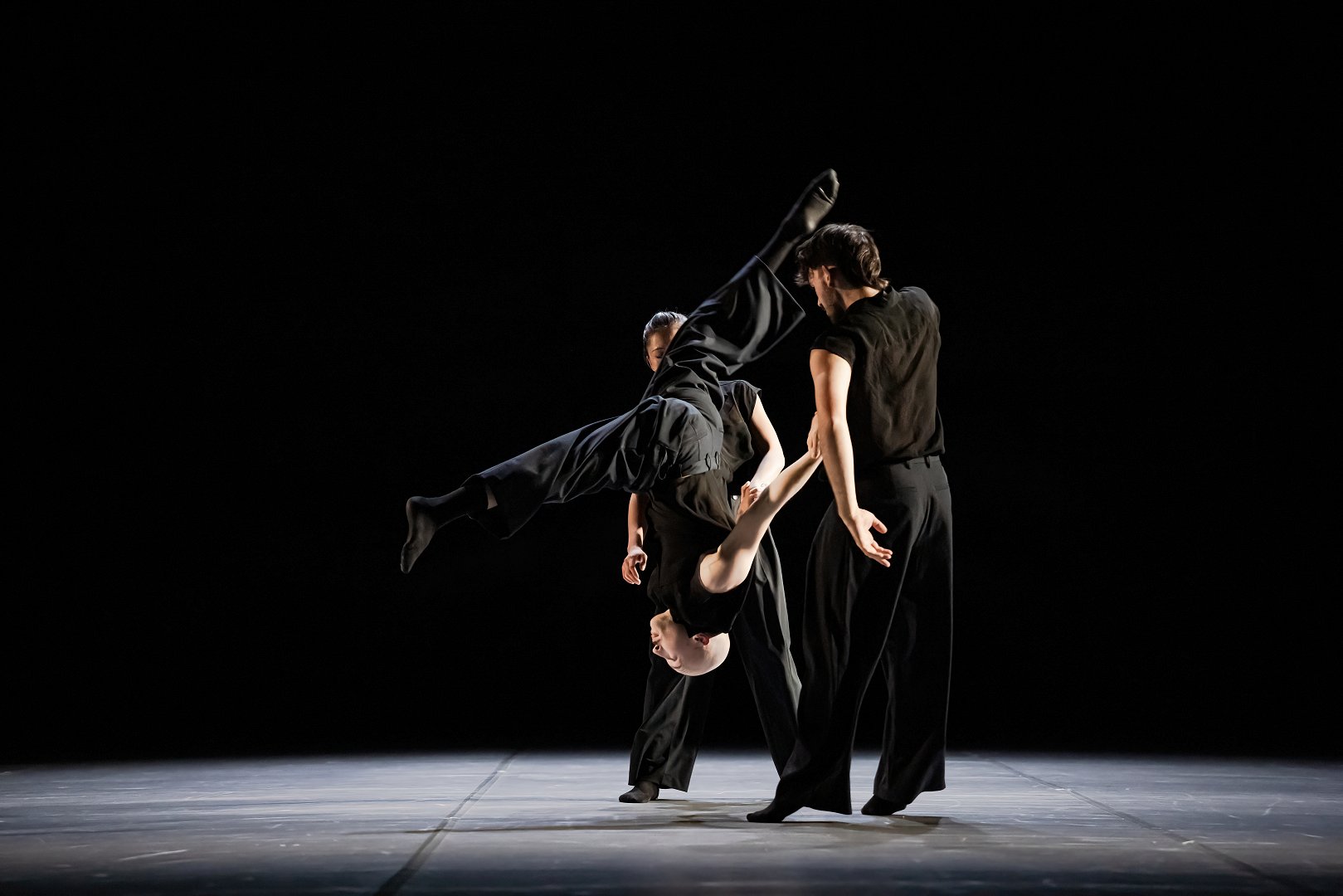
Yet if we set aside the precise narrative content—which serves primarily as a spark of inspiration, sensed rather than explicitly grasped by the audience—the triptych offers, on one hand, the pleasure of aesthetic excellence, the harmony of movement, and breathtaking choreography, particularly when the ensemble merges into a unified, pulsating, breathing organism. On the other hand, it provides a narrative flow in which movement primarily conveys atmosphere, evoking tension and anxiety in the viewer, undoubtedly provoking reflection and searching for meaning—if not an ultimate message of redemption. In the final part, most clearly connected with The Trial, such redemption cannot be found.
Goriška’s Pride
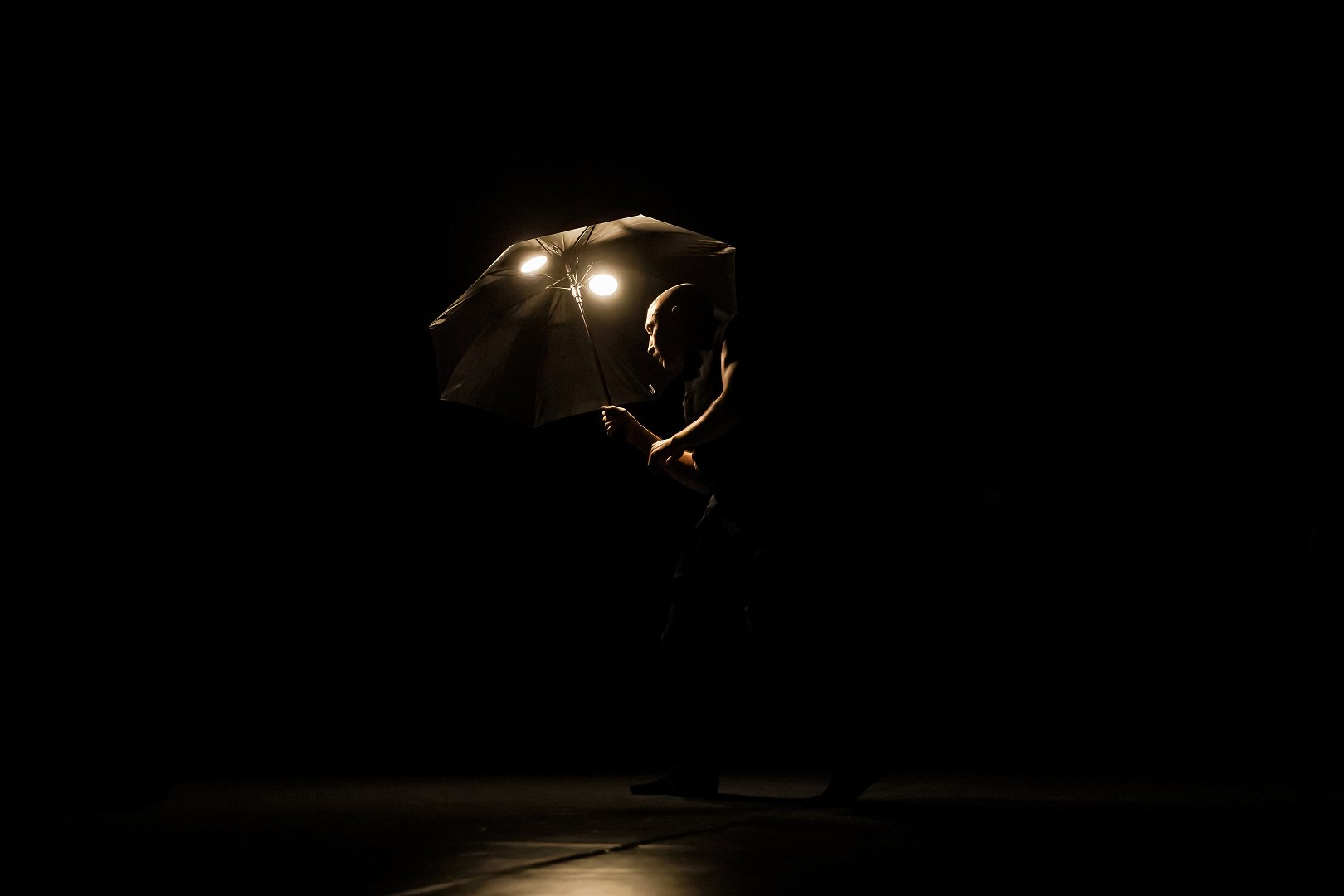
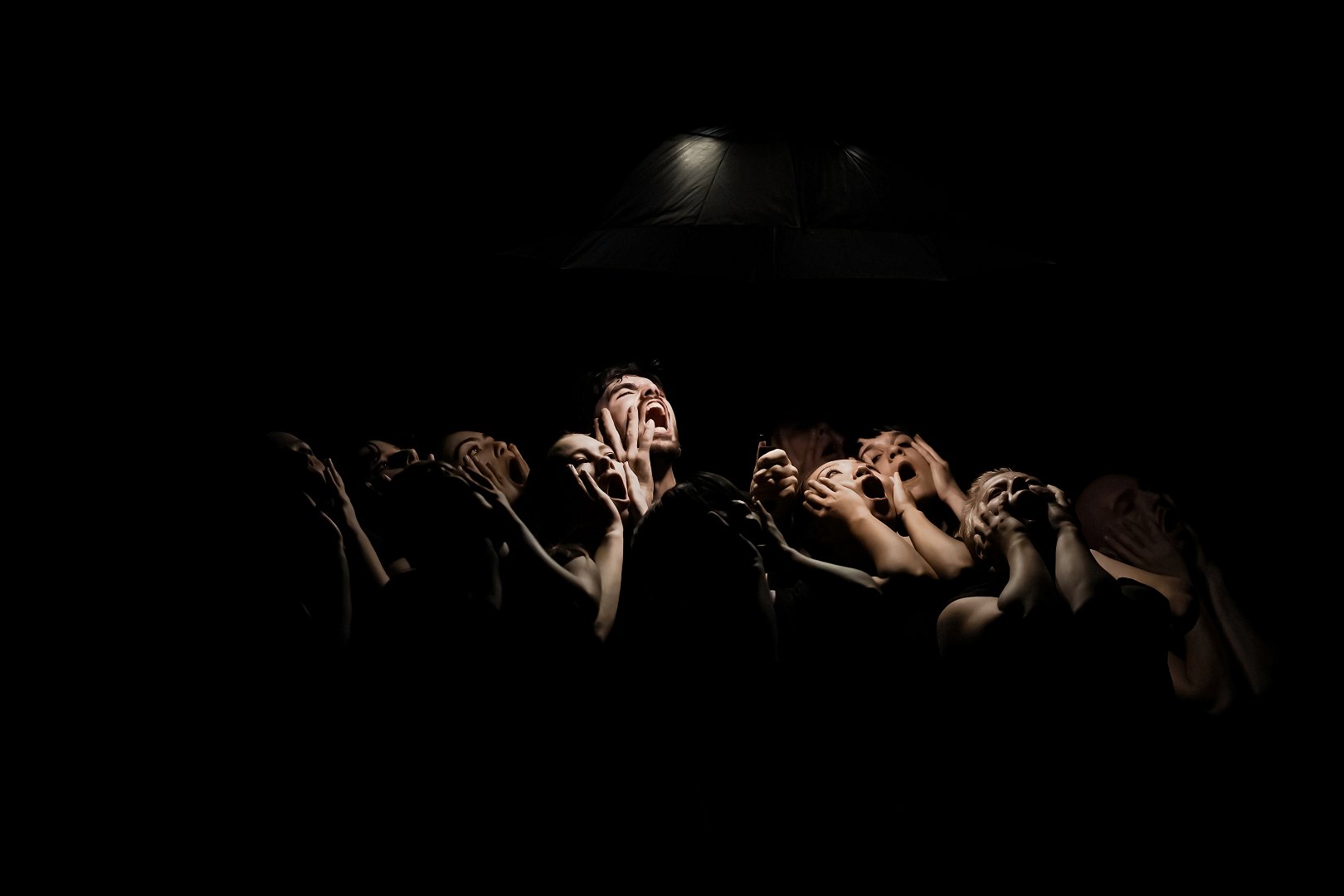
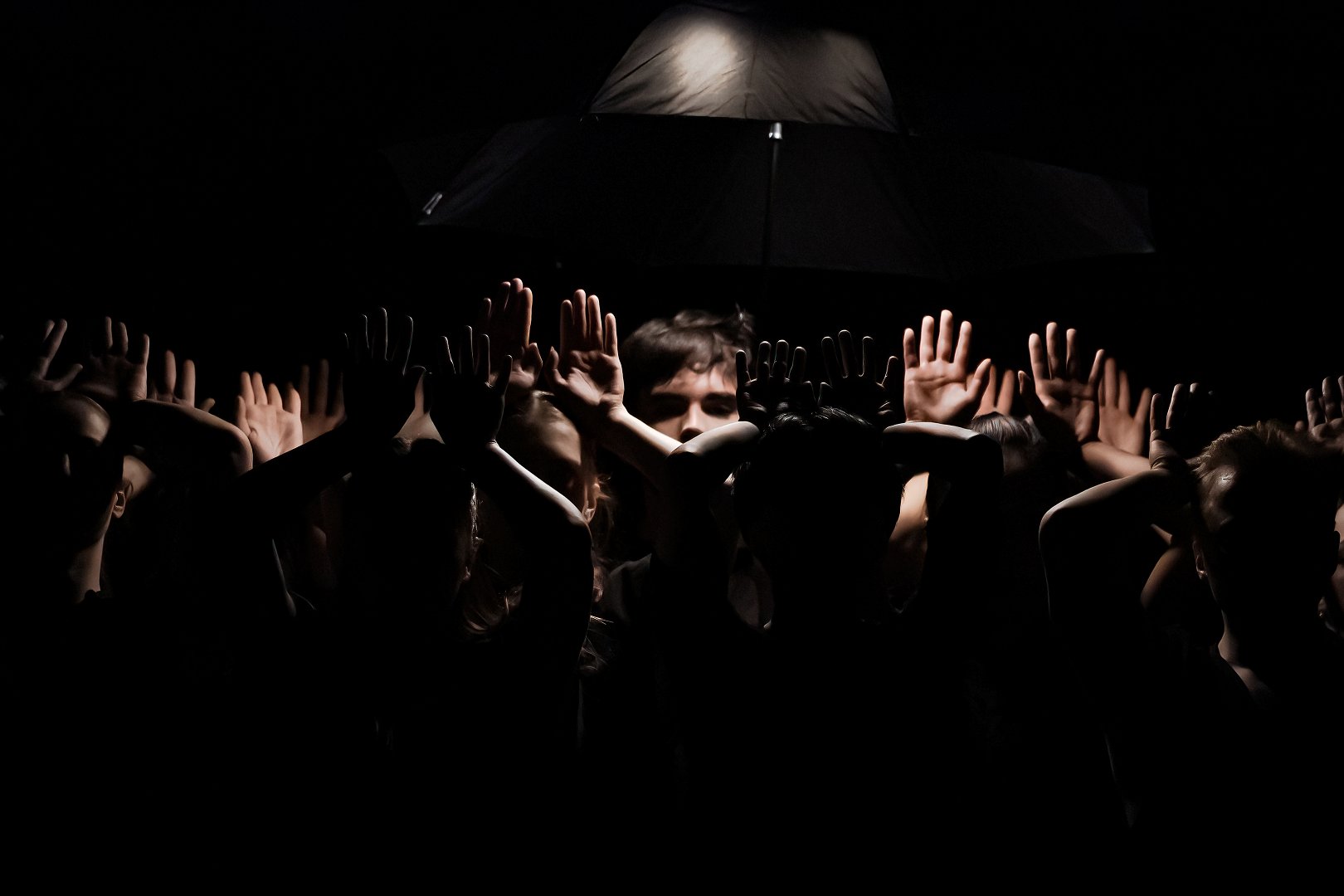
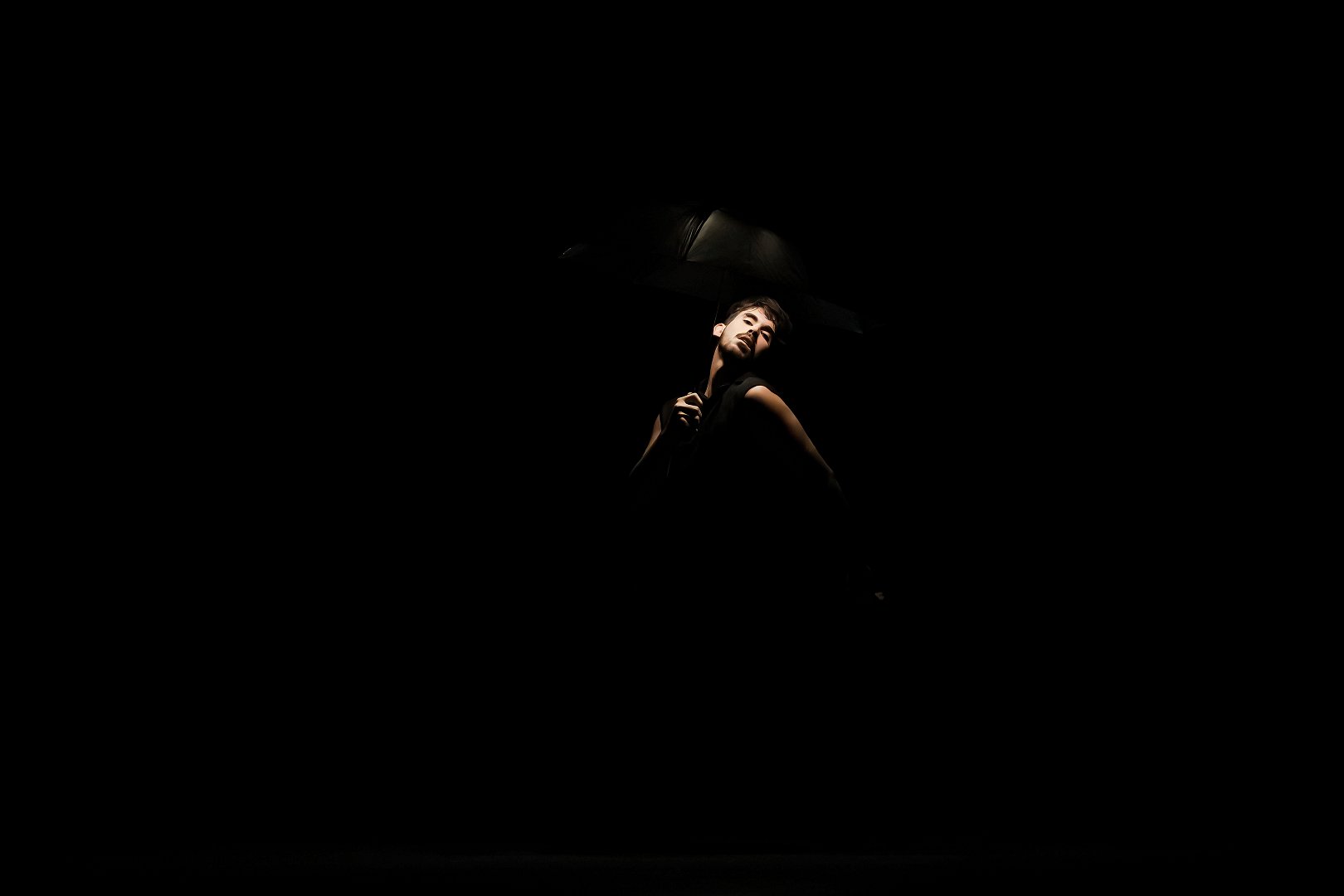
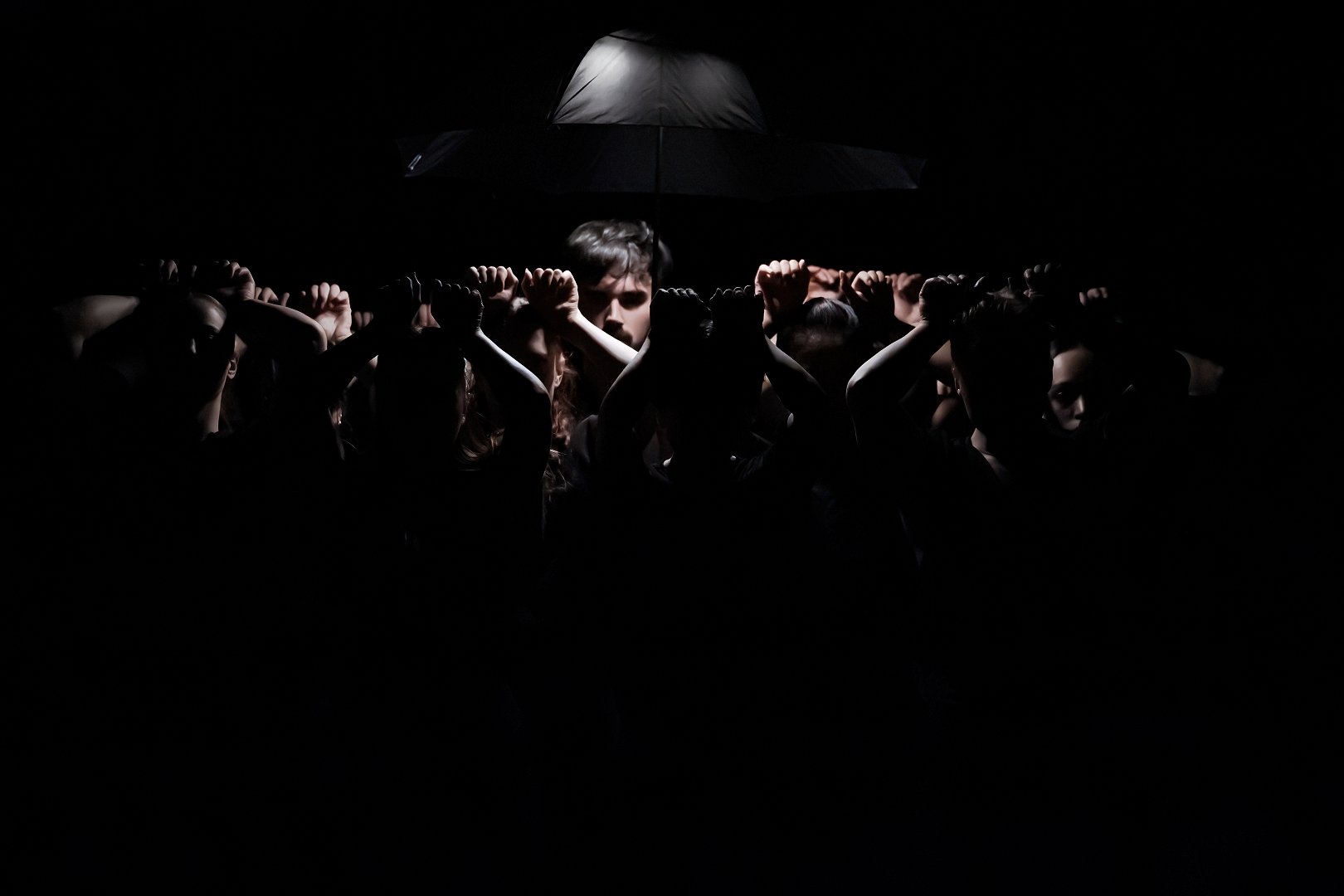
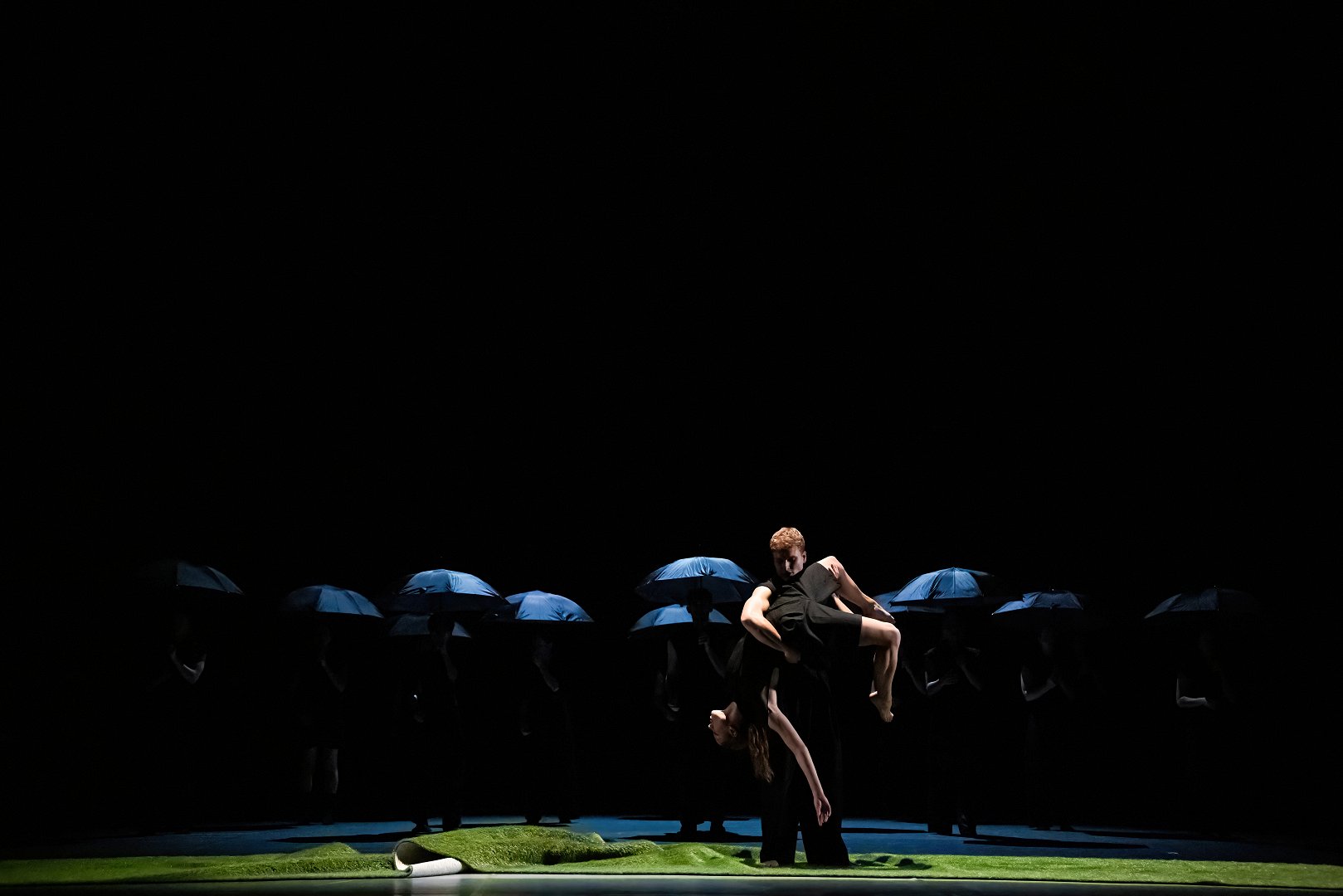
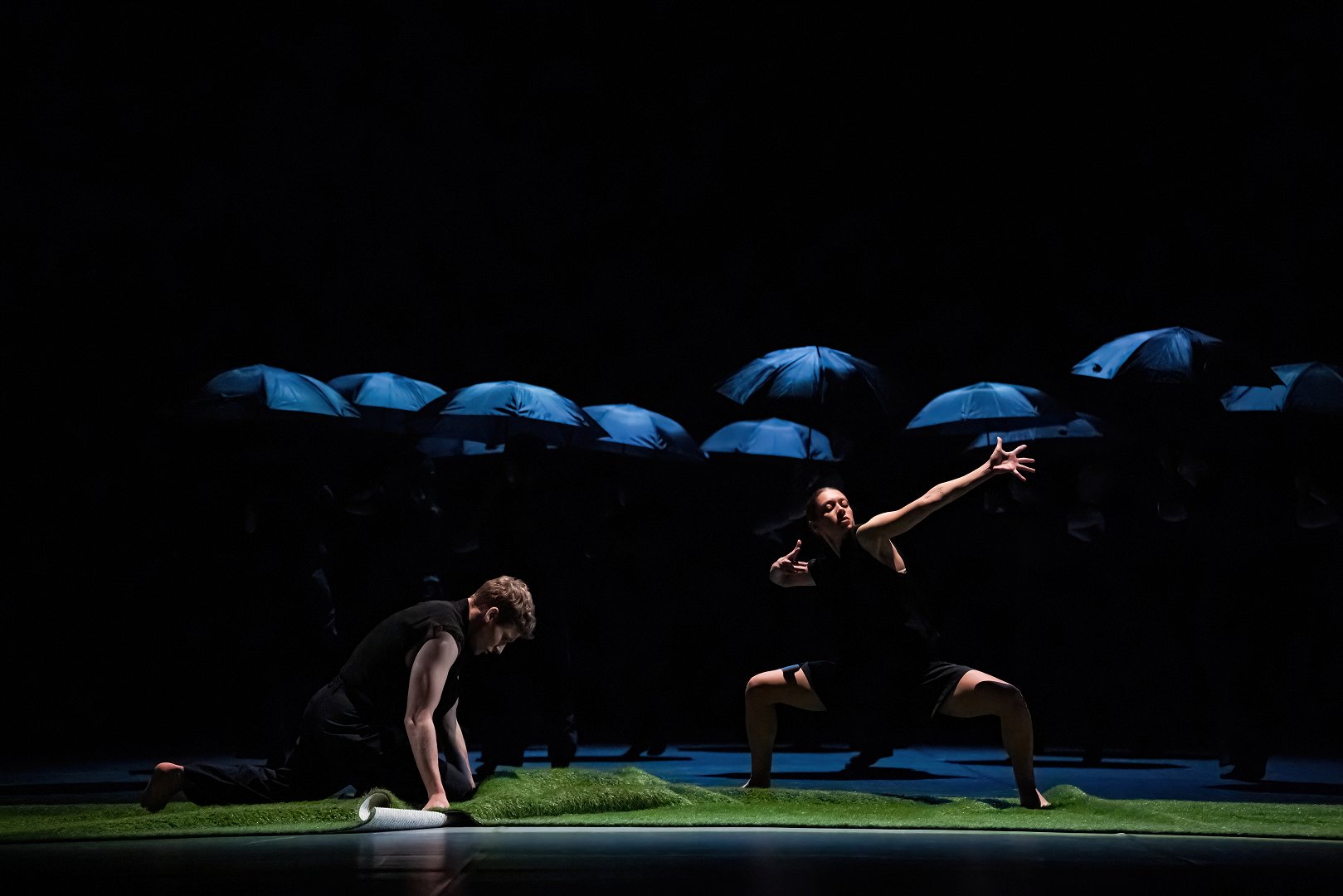
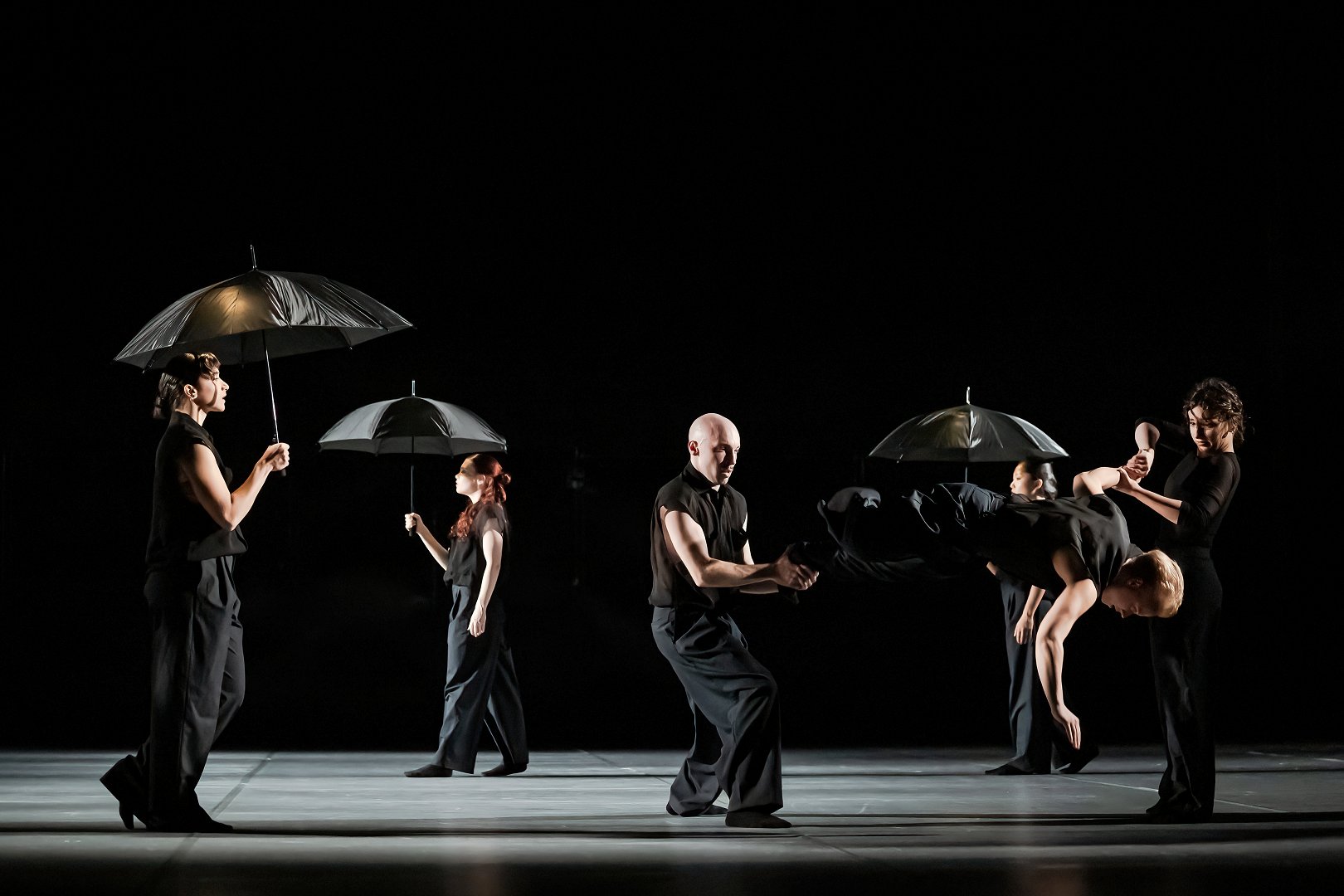
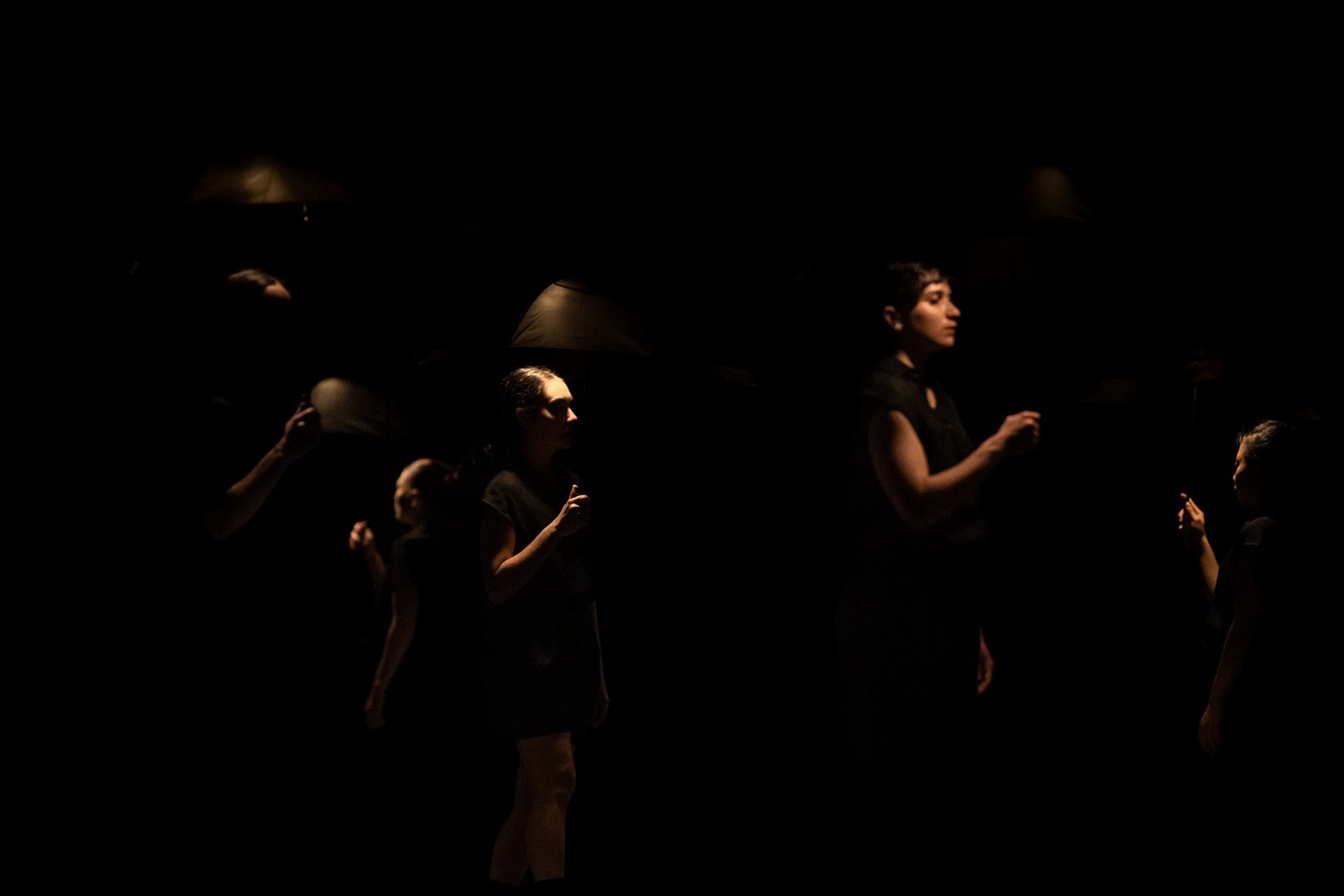
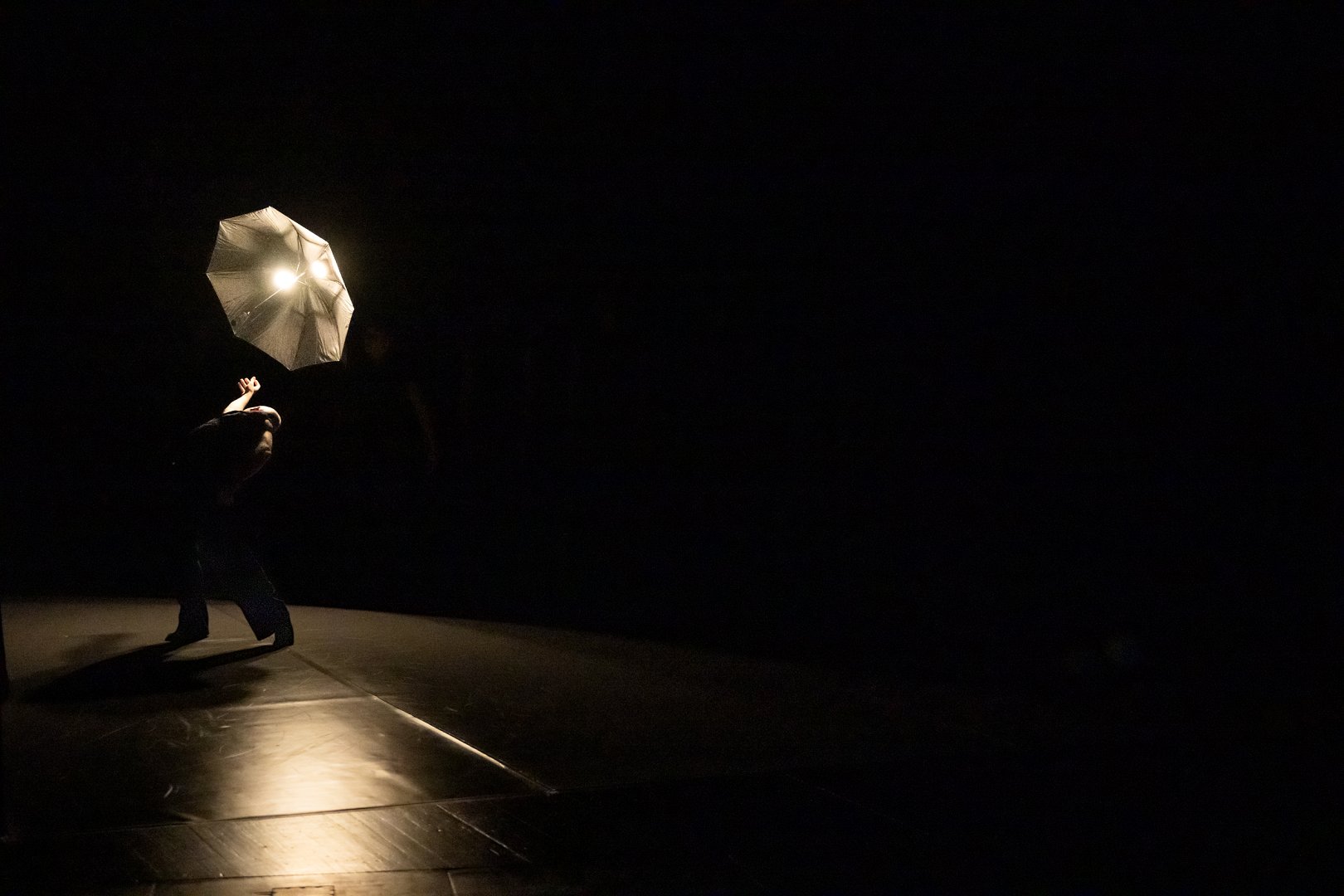
The first part, Dust and Rain by Luca Signoretti, was inspired by the relationship between human and nature, symbolized by rain. The inventive use of umbrellas—symbols of alienation—in choreographic sequences featuring nearly the entire ensemble created some of the most original scenes. The music, predominantly electronic and complemented by the voices of the dancers, culminated in the recognizable sensual, organic voice of Anohni.
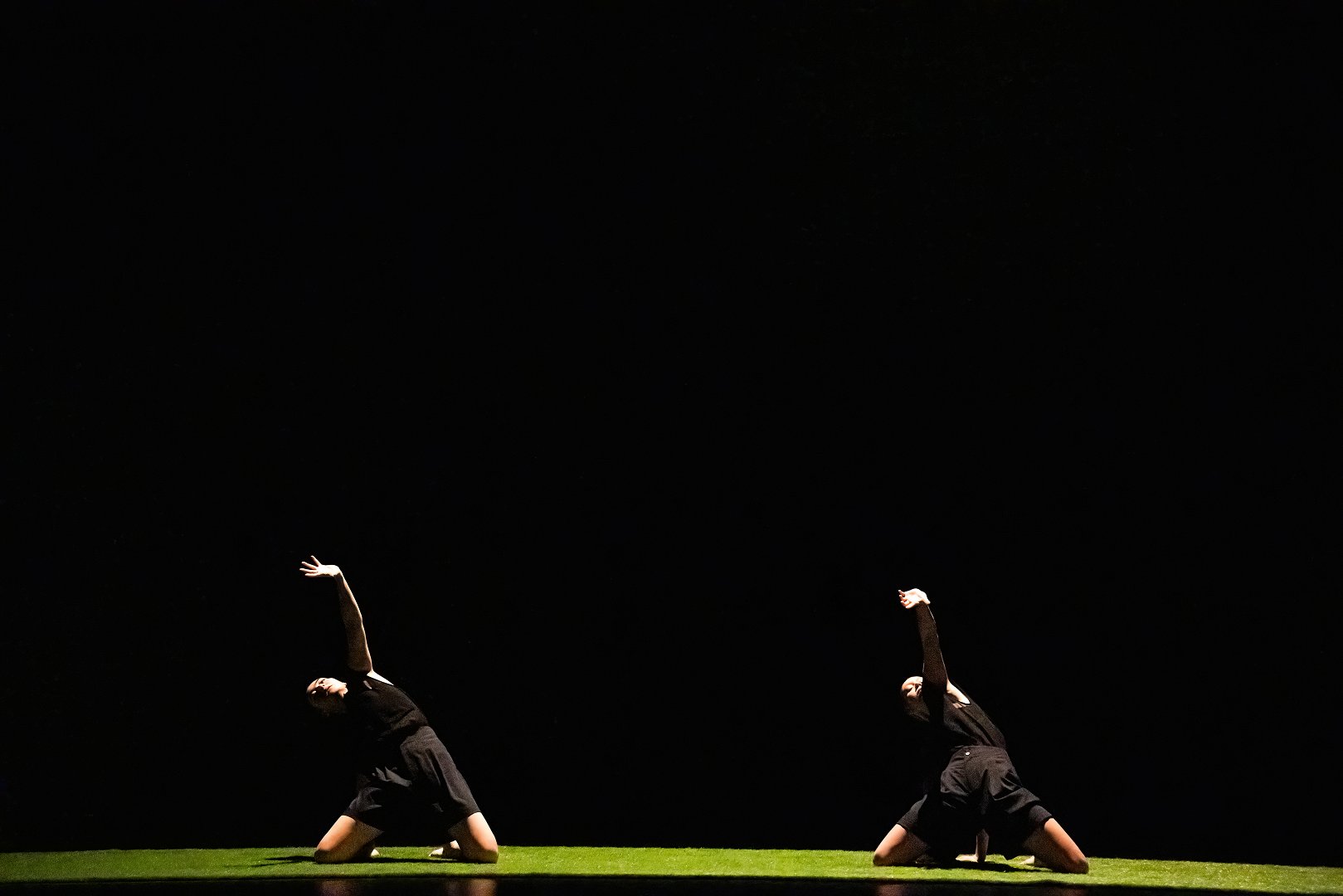
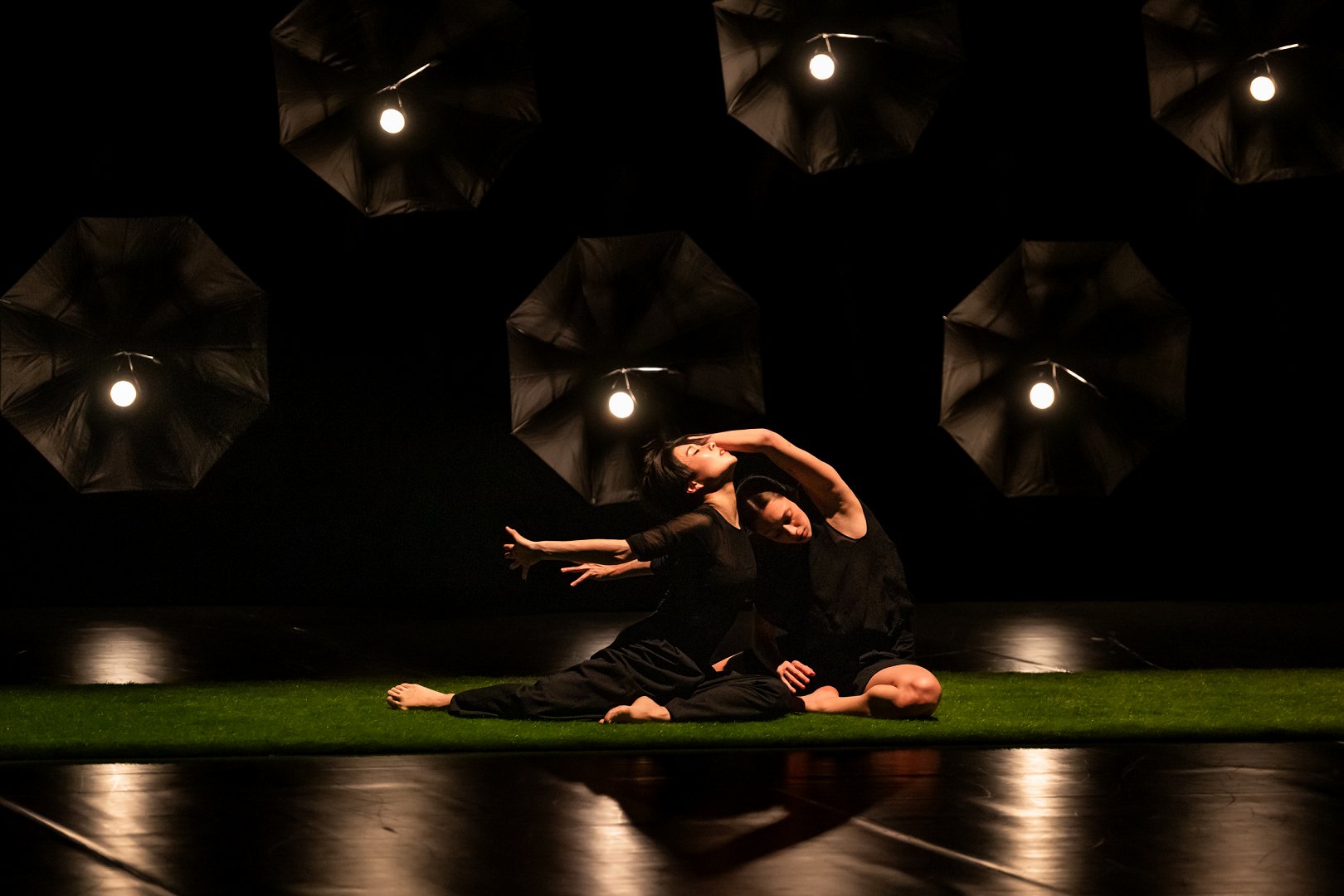
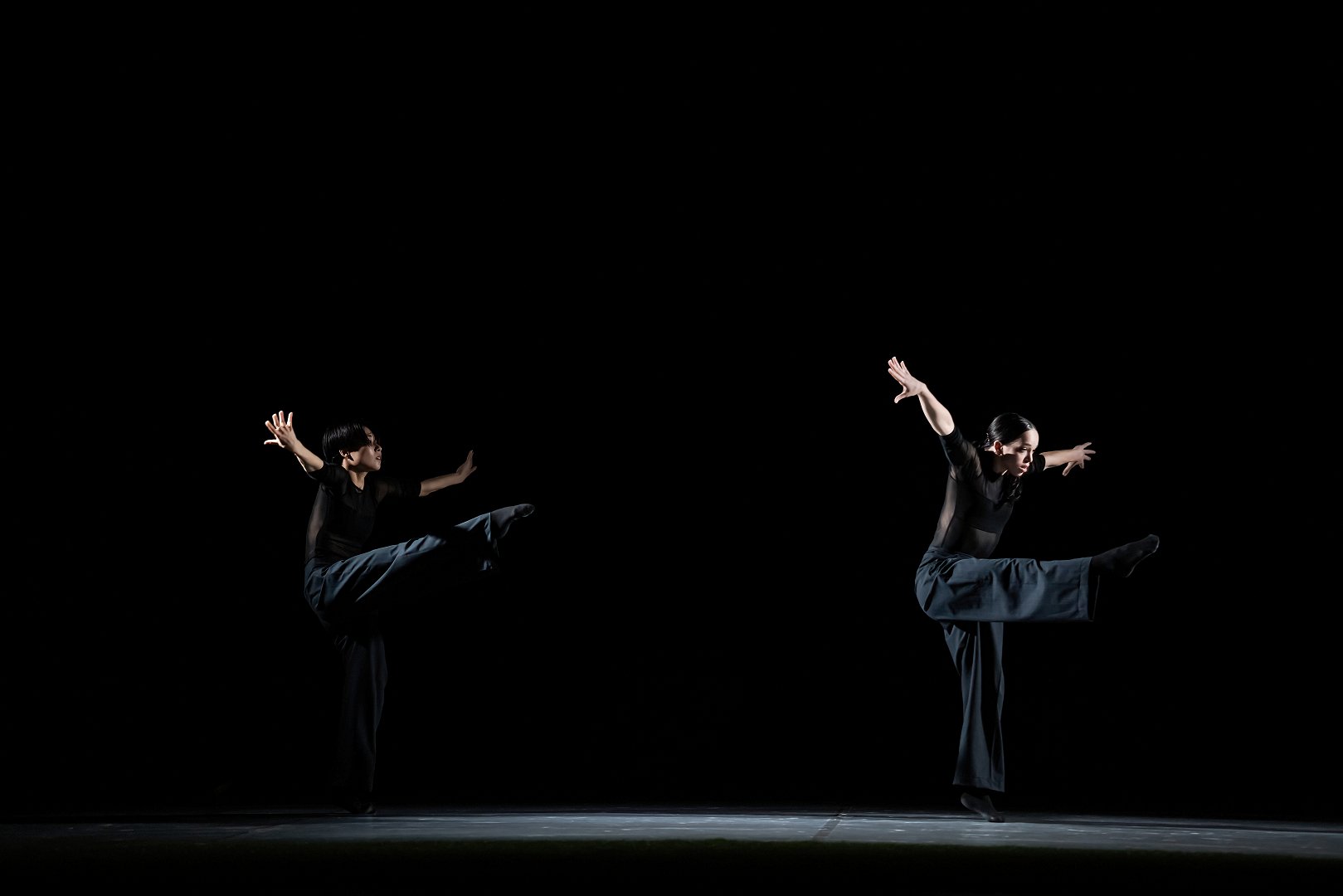
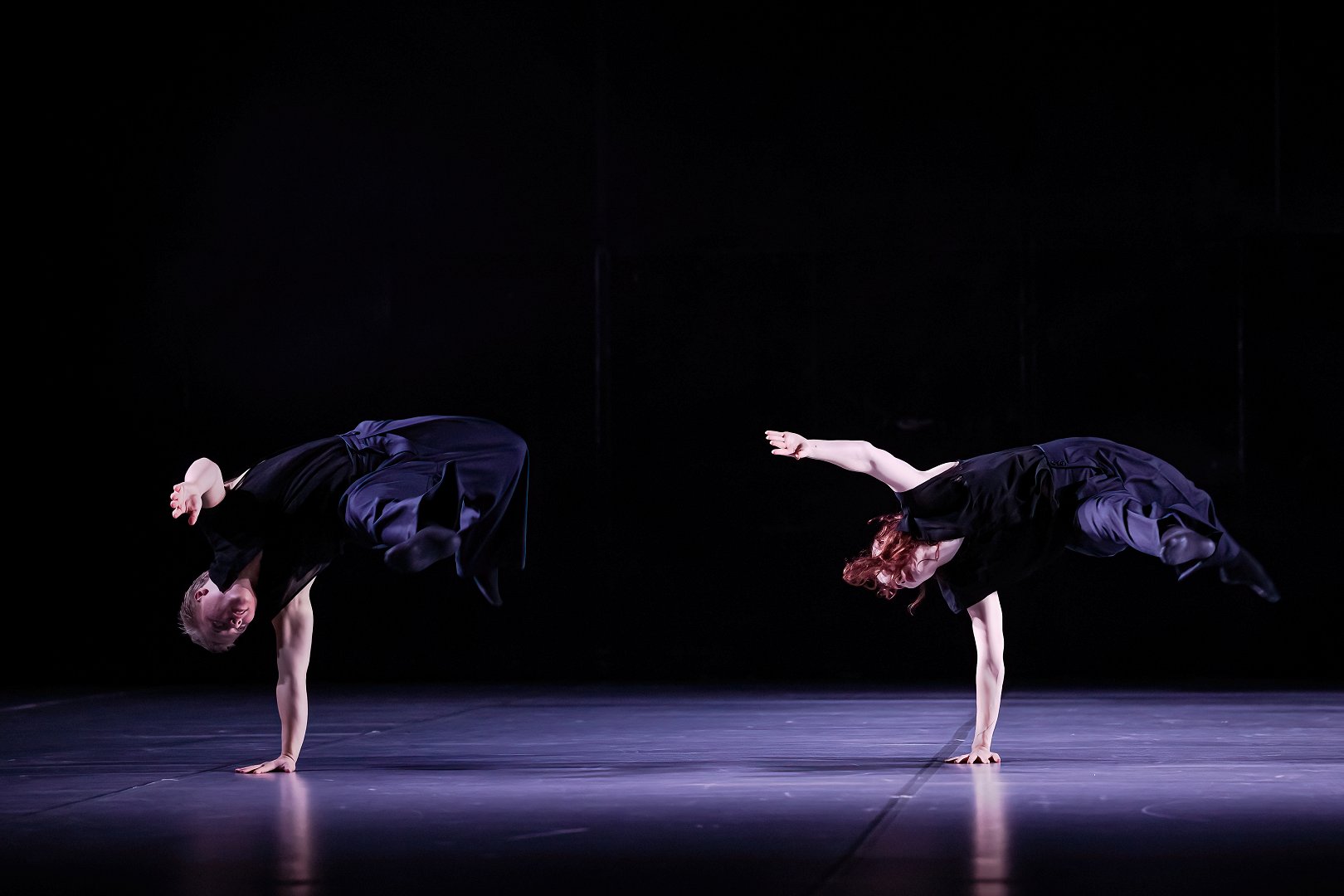
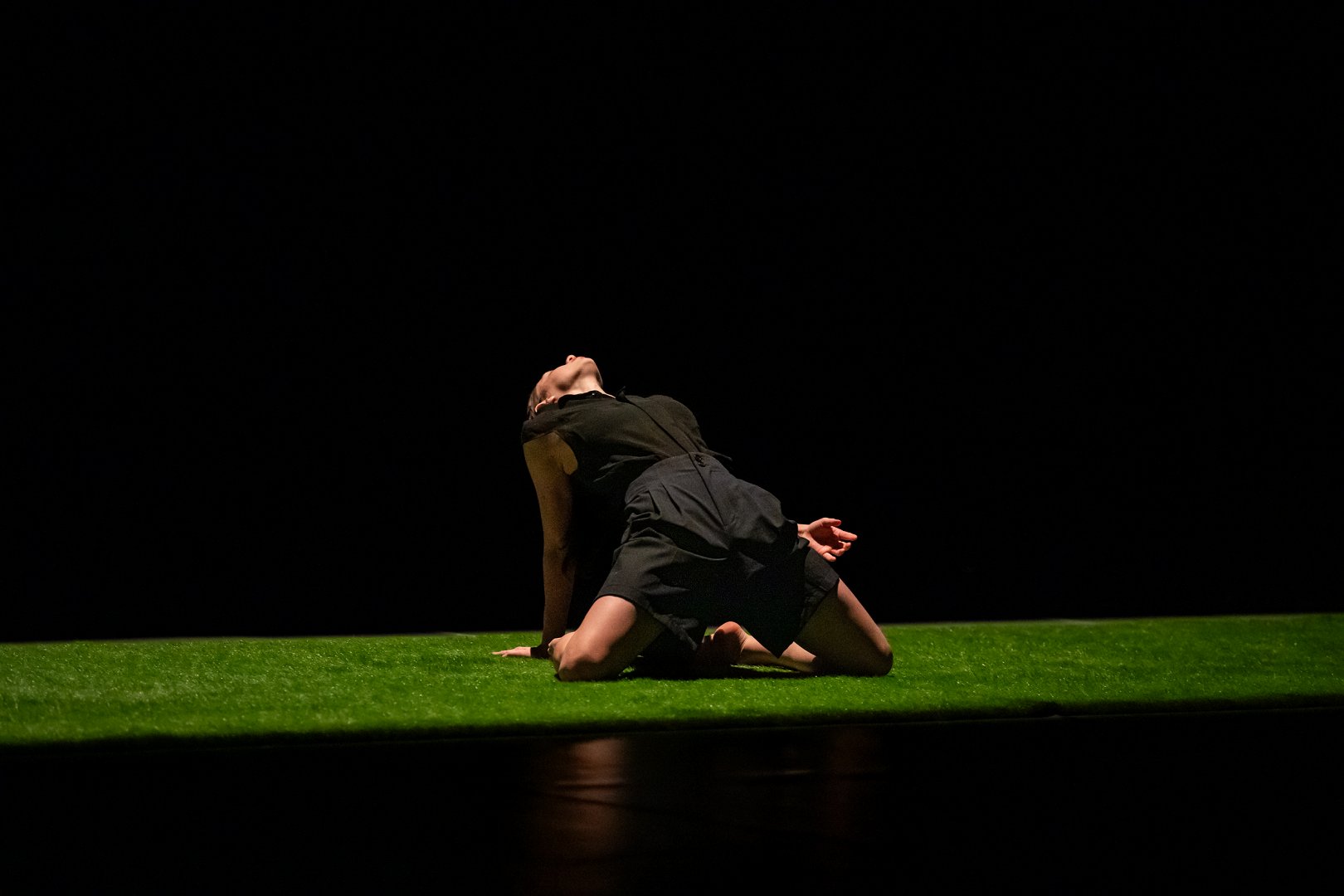
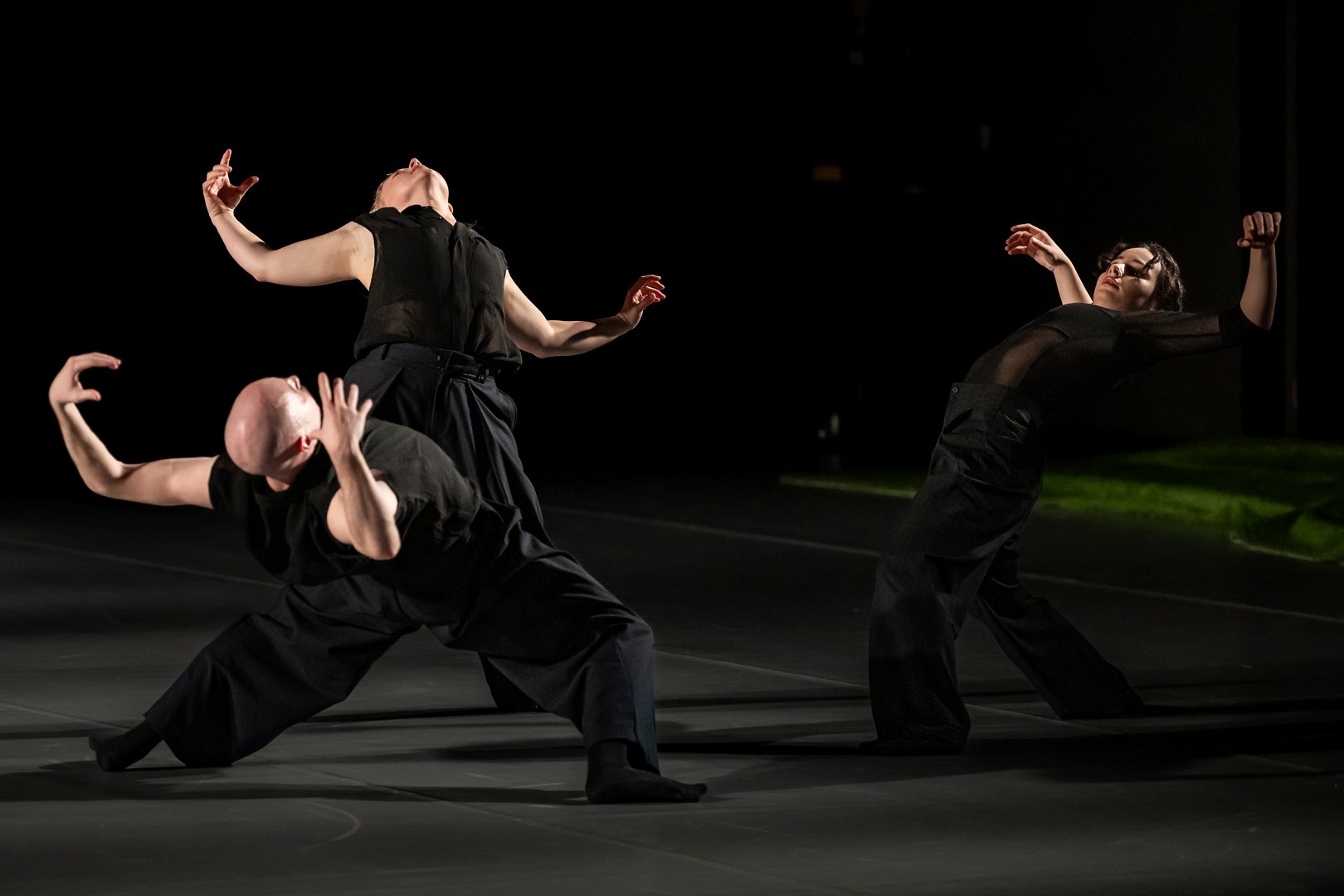
The second part, Can We Just Pause for a Moment, Please?, opens with a deep female vocal and concludes with the raspy voice of Tom Waits. Maša Kagao Knez created choreography that, through movement, speaks about the relationship between the individual and the community. Alongside the exceptional group choreographies in all three parts, choreographic “croquis” allow for solo moments performed by two or three dancers, showcasing the virtuosity of individuals within the outstanding ensemble shaped by the Bremec Rynia duo.
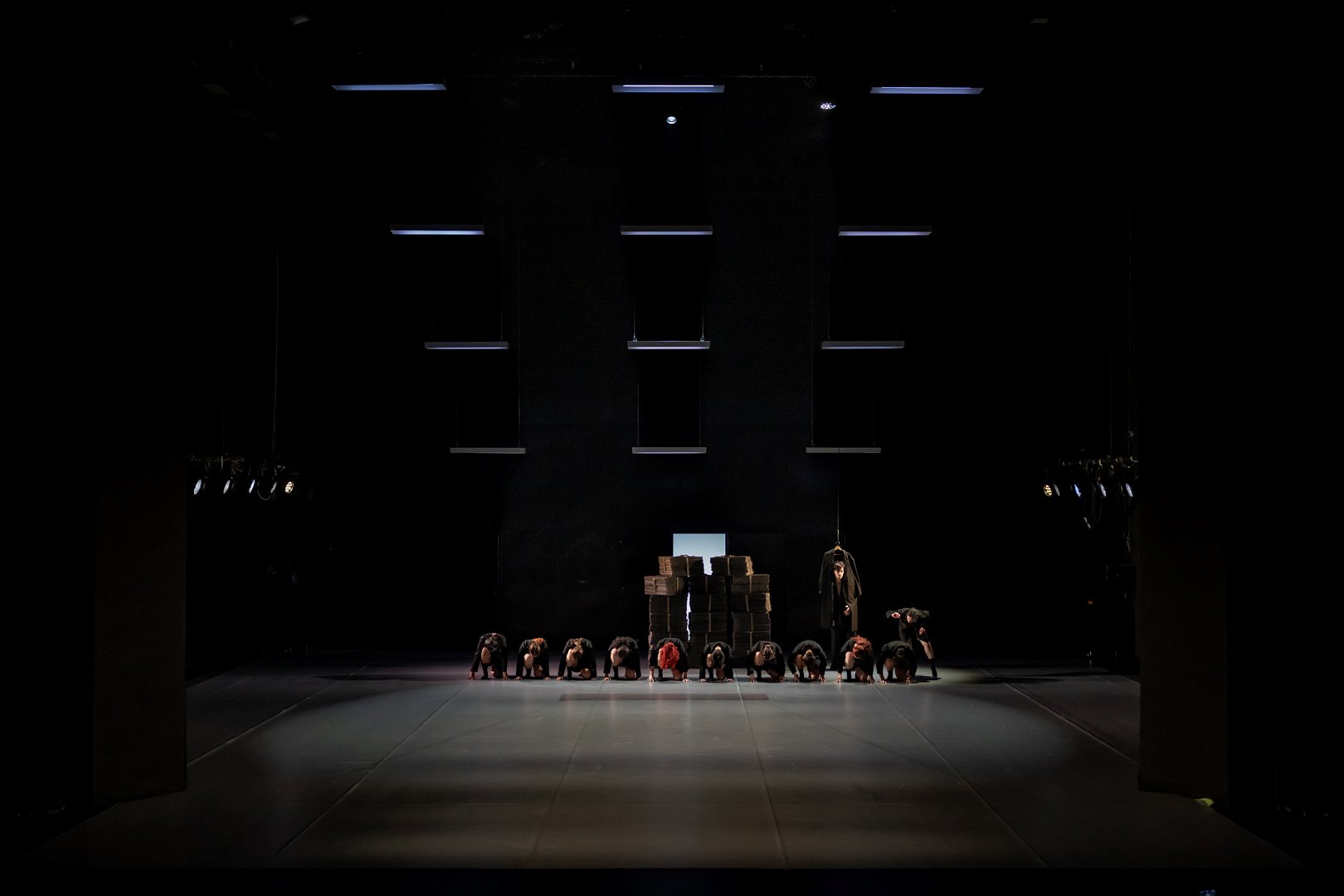
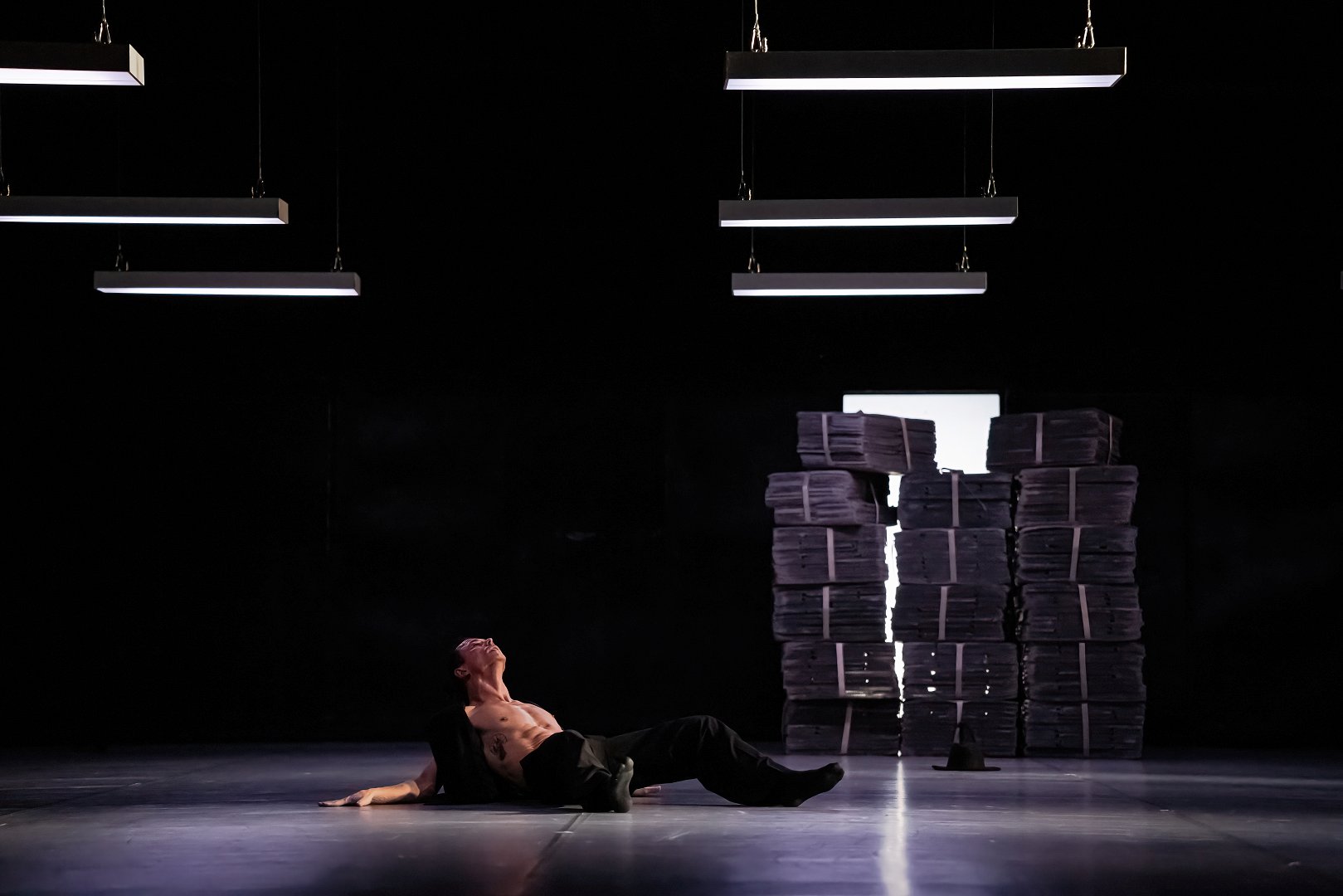
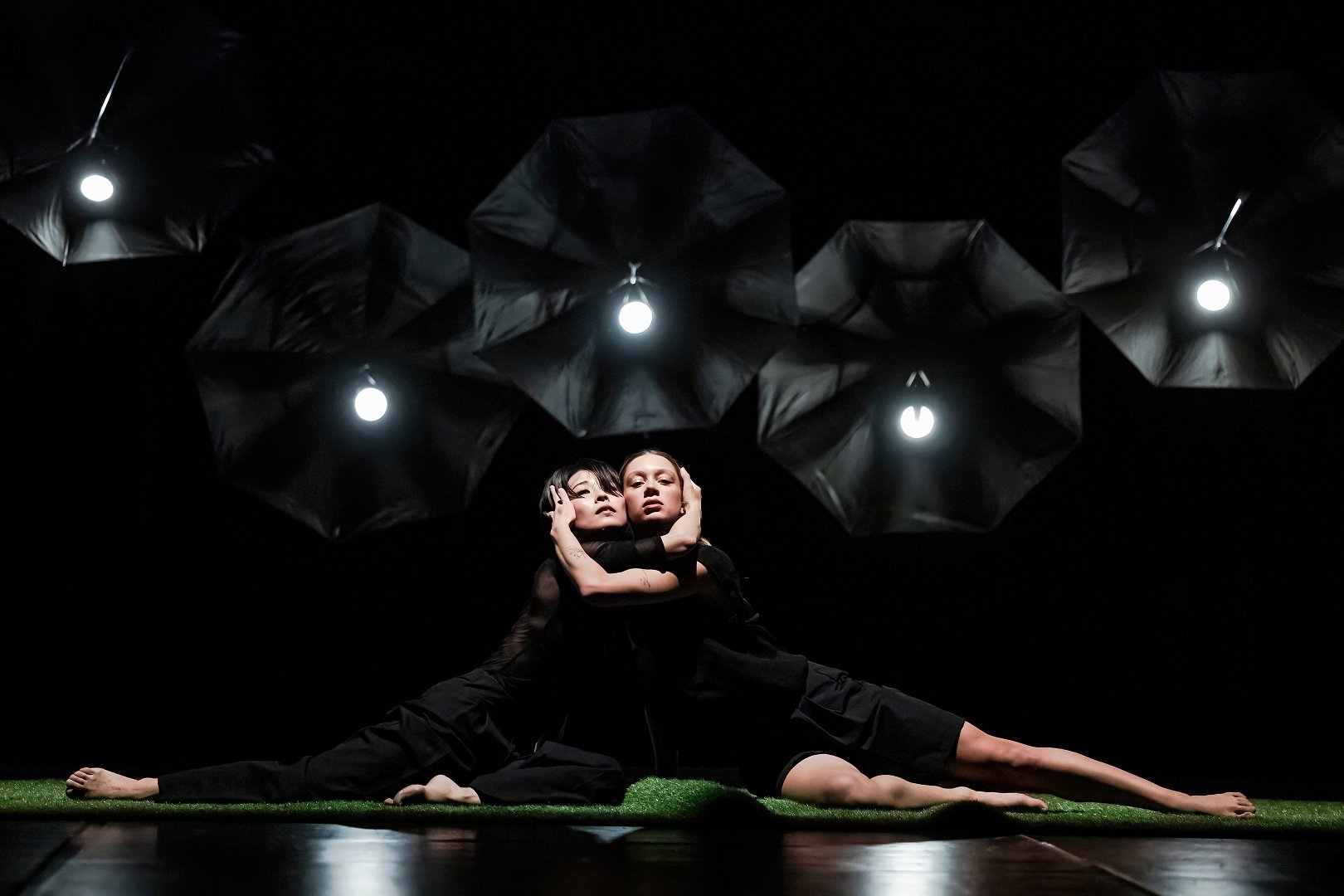
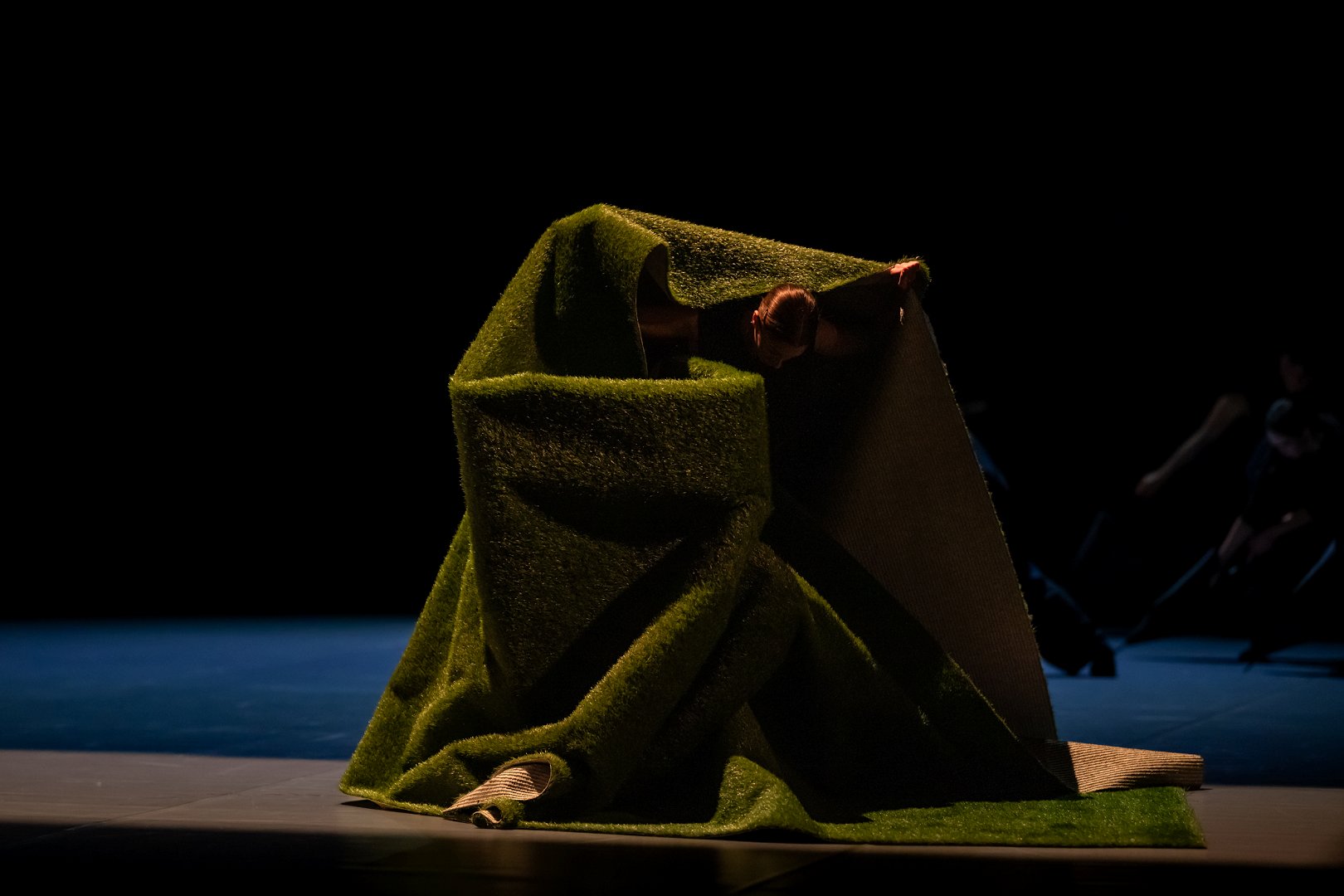
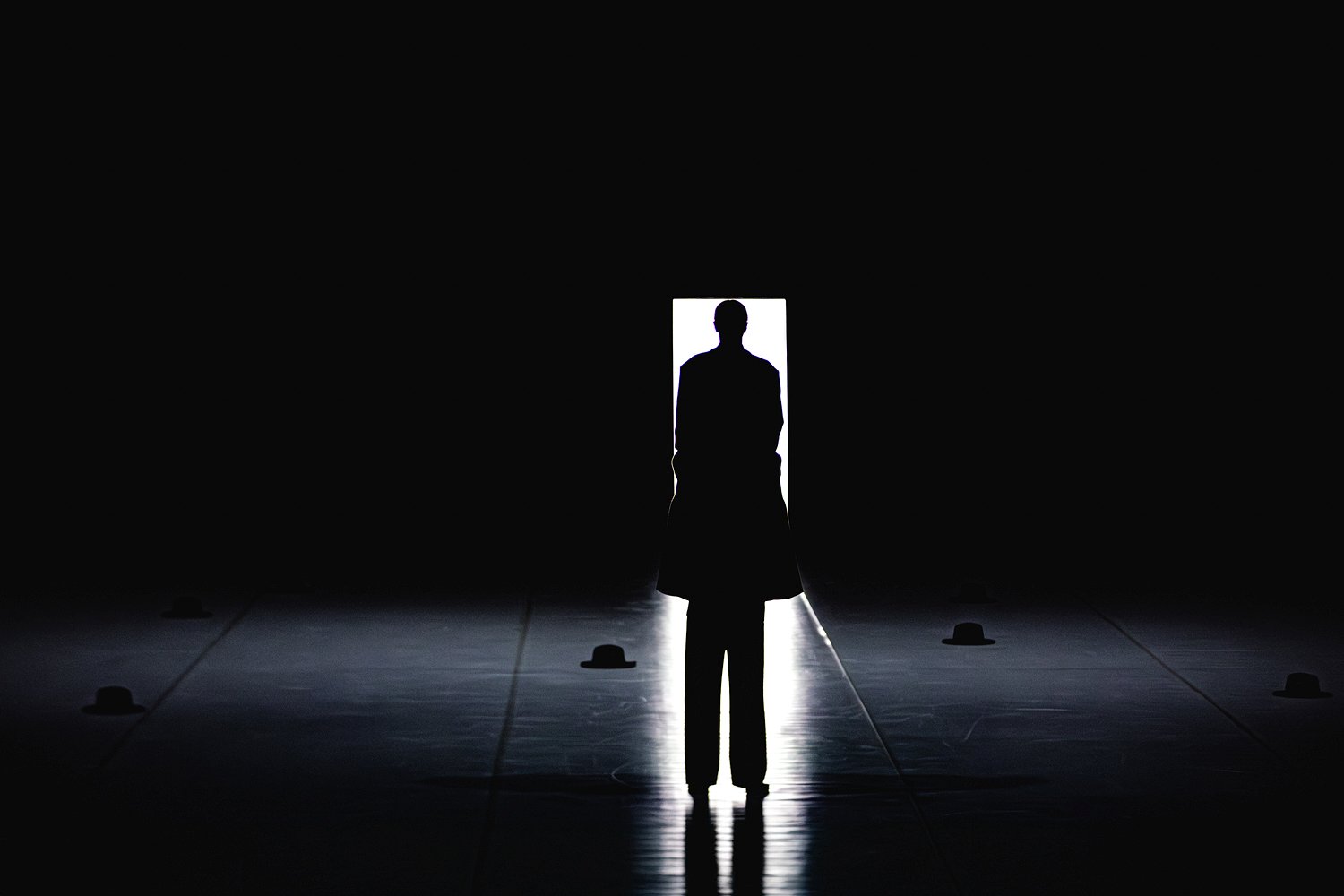
They themselves also appear in the final part, marked by original music from the duo Silence as well as the voice of Boris Benko, whose narration anchors the choreography in the world of Josef K. The piece, titled One must lie low, ironically attracts the most attention, as the human irreversibly crosses a point of no return. The atmosphere is further intensified by Matjaž Bajc’s exceptionally subtle lighting design.
Poetic Body, like the entire Borderless Body project, stands as a beautiful companion to the formally established Institute for Contemporary Dance—works that make it impossible not to feel uplifted and proud.
Maja Petrič Gombač, PRIMORSKE NOVICE / 8. Jan 2026
POETIC BODY
Luca Signoretti, Maša Kagao Knez, Michal Rynia, Nastja Bremec Rynia
6 January 2026
SNG Nova Gorica, Main Stage
Producer:
MN Dance Company
Coproducers:
SNG Nova Gorica
GO! 2025 – European Capital of Culture, Nova Gorica
The event is part of the official GO! 2025 programme.
Choreographer, visual concept and music selection (Part 1) Luca Signoretti
Choreographer, visual concept and music selection (Part 2) Maša Kagao Knez
Choreographers and visual concept (Part 3) Michal Rynia & Nastja Bremec Rynia
Dramaturg (Part 3) Ana Kržišnik Blažica
Music (Part 3) Silence
Lighting Design Matjaž Bajc
Sound Design Stojan Nemec
Set & Props Design (Part 3) Gorazd Prinčič
Dancers
Alexander Belin, Nastja Bremec Rynia, Nicoletta Carenzi, Hsiang-Yen Chang, Nathan Dhugues, Anneya Gelis, Rebecca Granzotto, Iva Ilievska, Uhaina Montet, Eri Nishibara, Alessandra Russo, Michal Rynia, Petra Seruga, Maria Sousa, Luka Vodopivec, Lucy Woodhouse, Elia Zahnd
Recorded Voice
Boris Benko
Luca Signoretti
Maša Kagao Knez
Michal Rynia and Nastja Bremec Rynia
Silence, Boris Benko and Primož Hladnik
Ana Ana Kržišnik Blažica
ERI NISHIBARA
LUKA VODOPIVEC
IVA ILIEVSKA
REBECCA GRANZOTTO
ELIA ZAHND
NATHAN DHUGUES
ALEXANDER BELIN
LUCY WOODHOUSE
PETRA SERUGA
HSIANG YEN CHANG
MARIA SOUSA
ANNEYA GELIS
UHAINA MONTET
NICOLETTA CARENZI
ALESSANDRA RUSSO
RTVSLO KULTURA: V Novi Gorici premiera plesne predstave Poetično telo
RTVSLO.SI: Poetično telo: Kaj imata skupnega Prometej in Josef K.?
Primorske novice: Je človek brez družbe le golo telo?
Primorski dnevnik: Brezmejno telo sklenili poetično
Radio Robin: Plesni triptih Poetično telo raziskuje preplet mita, telesa in giba
Slovenske novice: Zaključek štiri leta trajajočega projekta: učlovečenje skozi umetnost
Primorske novice: Poetično telo kot dialog med različnimi estetikami
Poetic Body, a dance triptych by Luca Signoretti, Maša Kagao Knez, and the Nova Gorica based choreographic duo Nastja Bremec Rynia and Michal Rynia, performed by a 17-member international ensemble and produced by MN Dance Company, received well-deserved standing ovations at Tuesday’s premiere at the Slovenian National Theatre Nova Gorica.
The triptych, created by MN Dance Company in co-production with Zavod GO! 2025 and SNG Nova Gorica, concludes the four-year dance project Borderless Body, which during this period staged eleven full-length dance performances on various stages, culminating this summer with a site-specific highlight at Cerje. Among this year’s productions within the choreographic vision of Nastja Bremec Rynia and Michal Rynia was also Prometheus, whose distinctive continuation—once again under the dramaturgical direction of Ana Kržišnik Blažica—is Poetic Body. For this project, the Nova Gorica choreographic duo invited Italian colleague Luca Signoretti and a renowned figure of the Slovenian contemporary dance scene, Maša Kagao Knez.
Who Are You – Human
Thus emerged three choreographically autonomous parts, connected by the 17-member international ensemble and a shared conceptual thread. In presentations, the creators explained that their exploration of the myth of Prometheus—the creator of humankind from clay, who gifted humans fire stolen from the gods and was cruelly punished for it—continues by examining the consequences of this gift on the level of art, culture, and our inner development.
Only through Prometheus gifts did the human truly become human—a poetic body—transcending primal nature and becoming aware of itself as a creative and feeling being. Without poetics, consciousness, spirit, art, and knowledge, a human is merely a bare body without life.
And so we return to the question posed throughout Borderless Body: when is a human truly human, and what distinguishes us from other beings? What makes us human?
This time, inspiration was also drawn from Kafka’s The Trial, paralleling the guilt humanity might feel for stealing fire from the gods with the guilt of Josef K., who is absurdly accused without knowing of what, and who through the process gradually becomes aware of his own true guilt, his entanglement in bureaucratic machinery, and ultimately his loneliness.
Yet if we set aside the precise narrative content—which serves primarily as a spark of inspiration, sensed rather than explicitly grasped by the audience—the triptych offers, on one hand, the pleasure of aesthetic excellence, the harmony of movement, and breathtaking choreography, particularly when the ensemble merges into a unified, pulsating, breathing organism. On the other hand, it provides a narrative flow in which movement primarily conveys atmosphere, evoking tension and anxiety in the viewer, undoubtedly provoking reflection and searching for meaning—if not an ultimate message of redemption. In the final part, most clearly connected with The Trial, such redemption cannot be found.
Goriška’s Pride
The first part, Dust and Rain by Luca Signoretti, was inspired by the relationship between human and nature, symbolized by rain. The inventive use of umbrellas—symbols of alienation—in choreographic sequences featuring nearly the entire ensemble created some of the most original scenes. The music, predominantly electronic and complemented by the voices of the dancers, culminated in the recognizable sensual, organic voice of Anohni.
The second part, Can We Just Pause for a Moment, Please?, opens with a deep female vocal and concludes with the raspy voice of Tom Waits. Maša Kagao Knez created choreography that, through movement, speaks about the relationship between the individual and the community. Alongside the exceptional group choreographies in all three parts, choreographic “croquis” allow for solo moments performed by two or three dancers, showcasing the virtuosity of individuals within the outstanding ensemble shaped by the Bremec Rynia duo.
They themselves also appear in the final part, marked by original music from the duo Silence as well as the voice of Boris Benko, whose narration anchors the choreography in the world of Josef K. The piece, titled One must lie low, ironically attracts the most attention, as the human irreversibly crosses a point of no return. The atmosphere is further intensified by Matjaž Bajc’s exceptionally subtle lighting design.
Poetic Body, like the entire Borderless Body project, stands as a beautiful companion to the formally established Institute for Contemporary Dance—works that make it impossible not to feel uplifted and proud.
Maja Petrič Gombač, PRIMORSKE NOVICE / 8. Jan 2026
promotional video material